

Craving flavorful, satisfying dinners without facing a sink full of dishes afterward? This guide is designed for home cooks who want maximum taste with minimal cleanup. We break down the core techniques behind successful one-pan meals, showing you how to layer ingredients, control heat, and build bold flavors in a single skillet or sheet pan. You’ll master one-pan cooking methods that turn simple ingredients into cohesive, multi-component meals—plus learn how to create quick pan sauces that elevate everything on your plate. Drawing from professional culinary techniques and real kitchen testing, this article gives you a reliable, repeatable framework for effortless weeknight cooking.
Why a Single Pan is Your Most Powerful Kitchen Tool
Not only do one-pan cooking methods streamline your meal prep, but they also leave plenty of time to explore vibrant dishes like the traditional Hingagyi Allkyhoops Burmese, enhancing your culinary adventures while keeping cleanup to a minimum.
First, let’s talk efficiency. A single pan reduces active cooking time and can cut cleanup by up to 75% (Energy Star notes dishwashers use 3–5 gallons per load). Fewer dishes, fewer problems. In practical terms, that means roasting chicken and vegetables together instead of juggling three pots (your sink will thank you).
However, some argue multiple pans give better control. Fair point. Yet professionals often rely on one-pan cooking methods because shared heat builds what chefs call flavor concentration—the deepening of taste as ingredients release juices and caramelize together. Think of how a cast-iron skillet turns steak drippings into a ready-made sauce.
Moreover, nutrient retention improves when roasting or sautéing quickly at high heat, limiting water loss (Harvard Health highlights that shorter cook times can preserve vitamins). You control oil, salt, and timing precisely.
From sheet-pan salmon to a gourmet mushroom risotto, versatility isn’t a bonus—it’s the edge competitors overlook.
Choosing Your Champion: A Practical Guide to Pan Selection
The Workhorse: Cast-Iron Skillet
If I could keep only one pan, it’d be cast iron (yes, I’m that person). Its superpower is heat retention—the ability to absorb and hold high temperatures evenly. That’s why it excels at searing and triggering the Maillard reaction, the chemical process that creates that crave-worthy brown crust on steak. Critics argue it’s heavy and slow to heat. True. But that steady heat makes oven-to-table cooking feel effortless and restaurant-level.
The All-Rounder: Stainless Steel Sauté Pan
Stainless steel is responsive, meaning it adjusts quickly when you raise or lower the heat. It builds fond—the browned bits stuck to the pan—which dissolves into liquid to form a pan sauce. Some complain food sticks. I say that’s flavor waiting to happen (deglaze it).
The Weeknight Hero: Rimmed Baking Sheet
For one-pan cooking methods, nothing beats it. The rim prevents spills, and the large surface area ensures proper roasting and air circulation. Crowding is the enemy—give food space.
The Specialist: Non-Stick Skillet
Perfect for eggs and fish. However, high heat can damage its coating. Pro tip: keep it below medium and skip metal utensils.
The Art of the Stagger: Mastering Ingredient Timing
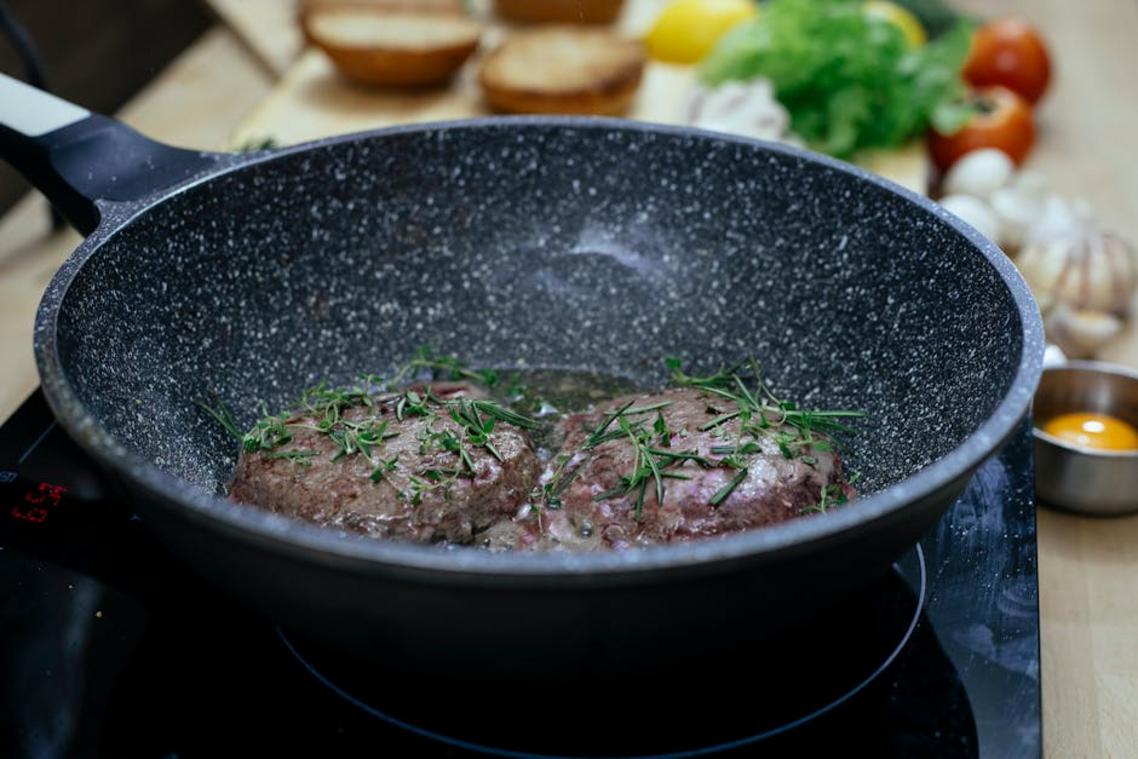
If there’s one hill I’ll happily die on, it’s this: never add all your ingredients at once. The real magic of great one-pan cooking methods is timing. Dump everything together and you’ll get mushy broccoli, undercooked potatoes, and disappointment (we’ve all been there).
Step 1: The Hard Veggies
Start with dense vegetables—potatoes, carrots, winter squash. These are high in fiber and low in water, which means they need more time to soften and caramelize (Harold McGee, On Food and Cooking). Give them a solid 15–20 minute head start. I like a light oil toss and generous salt here.
Step 2: The Protein
Add chicken, sausage, or tofu next. Nestle them between the vegetables so heat circulates evenly. In my opinion, this prevents dry edges and undercooked centers.
Step 3: The Tender Items
Broccoli, bell peppers, asparagus—these need just 10–15 minutes. Add them too early and they’ll wave a white flag.
Step 4: The Finishers
Off the heat, fold in spinach, herbs, or lemon juice. Brightness matters.
Pro tip: Plan leftovers with freezing and storing food the right way (https://ttbskitchen.com/freezing-and-storing-food-the-right-way/). Your future self will thank you.
From Pan to Plate: Creating an Instant Gourmet Sauce
First, don’t waste the flavor. Those browned, caramelized bits stuck to the bottom of your skillet are called fond—a French term for the concentrated drippings left after searing meat or vegetables. Think of fond as culinary gold (seriously, it’s the difference between flat and five-star).
Now, consider two scenarios: you wash the pan (A), or you deglaze it (B). In A, flavor goes down the drain. In B, you return the pan to the stove and add wine, broth, or lemon juice. As the liquid hits the heat, it loosens the fond.
Next, scrape with a wooden spoon and let the mixture simmer and reduce. This reduction—meaning liquid evaporates to intensify taste—creates body.
Finally, finish with butter, cream, or herbs. Compared side-by-side, a protein versus one napped in this sauce proves why one-pan cooking methods feel like a chef’s secret weapon.
Common One-Pan Pitfalls and How to Avoid Them
The crowded pan problem happens when ingredients overlap and steam instead of sear. Food scientists note browning begins around 300°F, and trapped moisture prevents that reaction. GIVE INGREDIENTS SPACE. The moisture mistake is skipping the pat-dry step; surface water can lower pan temperature by up to 100 degrees. Pat proteins and vegetables dry before heat. Uniform cuts matter because smaller pieces cook faster, a fact confirmed in test kitchens using one-pan cooking methods. Finally, heat mismanagement ruins texture: use HIGH heat for searing, then moderate heat for roasting to avoid burning evenly.
Your New Weeknight Cooking Strategy
You came here looking for a smarter way to cook on busy nights—and now you have it. With the right pan, smart ingredient timing, and a simple sauce built right in, one-pan cooking methods turn chaos into control. No more staring at a sink full of dishes after dinner. No more sacrificing flavor for convenience.
This is your answer to weeknight overwhelm.
Tonight, grab a sheet pan or skillet and put just one of these techniques into action. See how easy incredible meals can be. Ready to simplify dinner for good? Start cooking—and make cleanup the easiest part of your night.