

You know the feeling. It’s been a long, draining day, and somehow nothing sounds better than a warm bowl of mac and cheese. That first bite feels less like food and more like relief. But why? This isn’t just hunger talking—it’s something deeper. The cravings we label as “comfort food” are rooted in powerful brain-body connections tied to memory, emotion, and reward. In this article, we’ll unpack the science behind comfort food psychology, exploring how certain dishes soothe stress and spark nostalgia. By the end, you’ll understand why these foods have such a hold on you—and how to embrace that power without guilt.
The Brain on Comfort Food: A Chemical Symphony
First, let’s talk about why that buttery mac and cheese or warm chocolate chip cookie feels like a hug from the inside. The science of satiety shows that when fat, sugar, and salt combine, they trigger the release of dopamine (the brain’s “reward” chemical) and serotonin (a mood stabilizer linked to well-being). According to research published in Nature Reviews Neuroscience, dopamine spikes reinforce pleasurable behaviors, while serotonin helps regulate mood and appetite. In other words, your brain isn’t weak—it’s wired to respond.
As a result, the brain’s reward pathway—particularly the nucleus accumbens—lights up much like it does with other pleasurable experiences. During stress, cortisol levels rise, and your brain looks for quick relief. Comfort foods provide fast energy and a predictable dopamine hit, reinforcing the craving loop. It’s not dramatic to say your brain remembers that brownie like a greatest-hits album (and eagerly presses replay).
Meanwhile, the gut-brain connection adds another layer. Your gut microbiome—the trillions of bacteria living in your digestive tract—communicates with your brain via the vagus nerve. Studies in Cell suggest certain microbes can influence cravings and mood. So sometimes, it’s not “just willpower”; it’s biology nudging you.
Understanding comfort food psychology offers a powerful benefit: less guilt and more awareness. When you recognize the chemical symphony at play, indulgence becomes a choice, not a moral failure. And with that clarity, you can enjoy treats mindfully—then return to balance without the emotional hangover.
Nostalgia on a Plate: The Power of Food-Evoked Memory
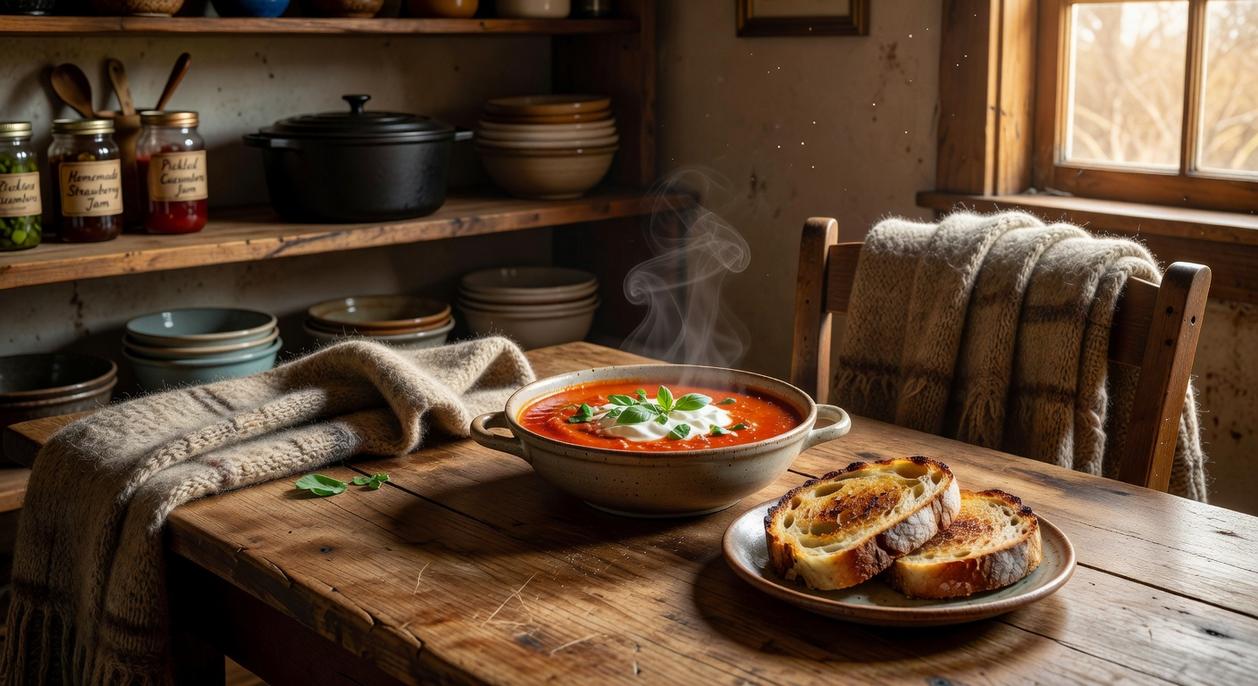
First, let’s talk about the Proustian Effect—a term describing involuntary memories triggered by the senses, especially taste and smell. Neuroscientists have found that the olfactory bulb connects directly to the amygdala and hippocampus, brain regions tied to emotion and memory (Herz, 2016). In plain terms, one bite of cinnamon toast can time-travel you back to your childhood kitchen faster than any photo album. Suddenly, you’re eight years old again (and yes, possibly avoiding homework).
Next comes associative learning, which is how your brain links food with feelings. If your grandmother baked apple pie every Sunday, your mind paired that flavor with warmth and safety. Birthday cake? That’s joy and candles and off-key singing. Over time, these pairings become automatic. This is comfort food psychology in action—your brain craving not just calories, but emotional reassurance.
Then there’s cultural and social imprinting. From a young age, we absorb family traditions and community norms through meals. Chicken noodle soup when you’re sick. Grilled cheese on a rainy afternoon. A specific holiday dish that appears once a year yet feels like a ritual. These foods become edible symbols of belonging.
So what should you do with this knowledge? Start by intentionally recreating one meaningful dish this week. Pay attention to aroma, texture, and presentation. Better yet, cook it with someone you love. Pro tip: write down the recipe and the memory it evokes—you’re preserving more than flavor. You’re preserving identity.
Emotional Eating vs. Mindful Indulgence: Finding the Balance
Let’s start with definitions. Emotional eating is using food to unconsciously suppress or numb uncomfortable feelings—stress, boredom, loneliness. You’re not hungry; you’re seeking relief. Mindful indulgence, on the other hand, is a conscious choice to enjoy food for pleasure, comfort, or celebration (yes, even that late-night brownie).
Some argue there’s no real difference—“Food is food. If it makes you feel better, what’s the harm?” Fair point. Research does show palatable foods can temporarily reduce stress hormones (Dallman et al., 2003). However, emotional eating often creates a negative loop: distress → overeating → guilt → more distress. Mindful indulgence breaks that cycle by removing shame and adding awareness.
This is where comfort food psychology comes in. When you intentionally savor a dish, you amplify positive associations instead of reinforcing avoidance behaviors.
Home Kitchen Hack: The 5-Minute Rule
Plate your comfort food. Sit down. No screens. Spend five full minutes noticing aroma, texture, and flavor before continuing. (It feels awkward at first. That’s the point.)
Interestingly, presentation shapes satisfaction—learn more about how color influences our perception of taste.
So what’s next? Start tracking patterns. Are you eating to escape—or to experience? Awareness is the real upgrade.
There is no universal comfort food. For one person, it’s a steaming bowl of chicken soup; for another, a crisp, cold salad with sharp vinaigrette. Our memories wire taste to emotion—birthdays, breakups, late-night study sessions. That’s where comfort food psychology comes in. Texture and temperature matter, too. Creamy dishes like mashed potatoes feel soothing because smoothness signals safety. Crunchy snacks relieve stress by giving the jaw something to do (chewing can diffuse tension). Warm foods feel nurturing, while chilled bites refresh and reset. • Pro tip: Pair nostalgic flavors with contrasting textures for deeper satisfaction. Deliciously personal, endlessly specific.
Your Kitchen, Your Comfort Zone
Now you understand that the pull of your favorite dishes isn’t random—it’s rooted in brain chemistry, personal memories, and learned associations. comfort food psychology shows us that these cravings are not a lack of willpower, but a deeply human response tied to safety, pleasure, and connection.
Instead of fighting it, start paying attention to the meals that truly comfort you. Identify them. Prepare them mindfully. Let them support your emotional well-being rather than trigger guilt.
If you’re ready to turn your kitchen into a space of intentional comfort, explore our trusted culinary insights and home hacks—join thousands who are already transforming everyday meals into meaningful self-care.