
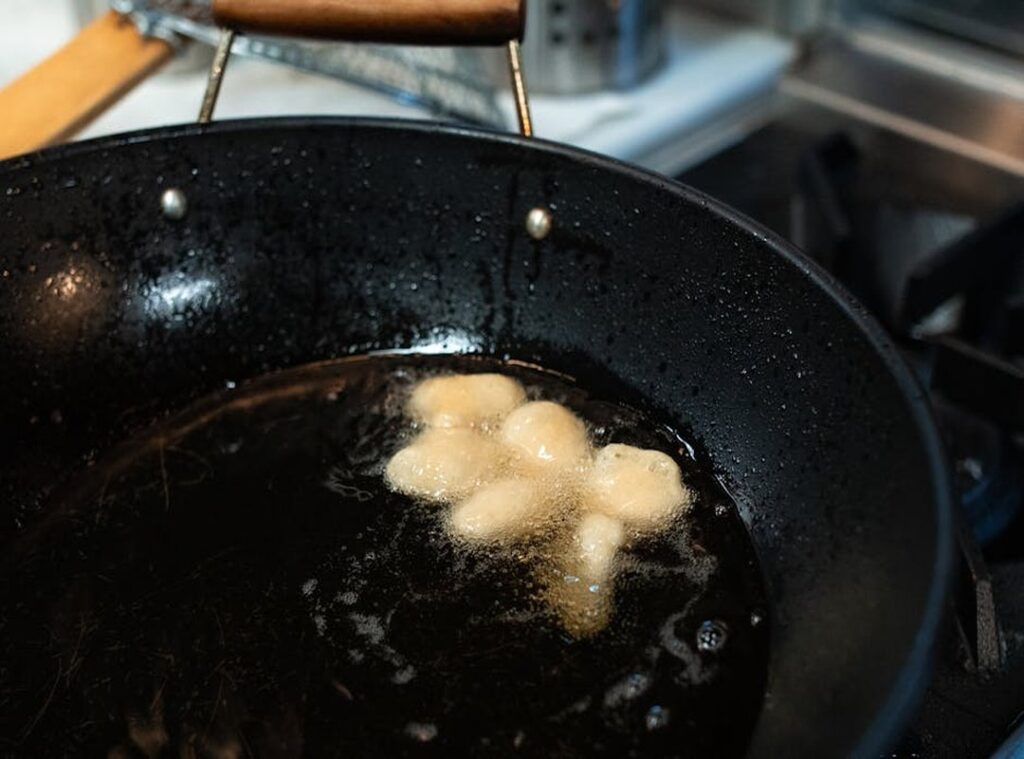
You know that moment.
When you need something salty, crunchy, and deeply savory (right) now.
Not soggy. Not greasy. Not burnt to a bitter crisp.
Just shatteringly good.
I’ve made Fry Hingagyi more times than I care to count.
And every time, I learned something new about heat, timing, or how much oil is actually enough.
Most recipes skip the part where the beans puff up just right. Or tell you to “fry until golden” (golden? Which shade?
At what temp?).
This isn’t one of those recipes.
It’s the version that works. Every time. Even if you’ve never touched fermented soybeans before.
No guesswork. No rescue attempts. Just crispy, nutty, deeply umami bites.
Done right.
You’ll get it on the first try.
What Exactly Is Hingagyi? (And Why You’ll Crave It)
Hingagyi is fermented soybeans. Dried hard, not slimy like natto. It’s from Myanmar.
And it’s not for the faint of heart.
I tried it raw first. Big mistake. Earthy?
Yes. Savory? Absolutely.
But also funky, sharp, and deeply umami. Like soy sauce left in the sun for a week.
Then I fried it.
That’s when everything changed.
Heat cracks open its shell. It puffs up. Turns light.
Crispy. Almost airy. The funk mellows.
The savoriness deepens. You get crunch you didn’t know fermented beans could deliver.
It’s not just snack food. It’s stirred into rice. Crumbled over salads.
Used like bacon bits. But with way more depth.
People in Myanmar have eaten this for generations. Not because it’s trendy. Because it works.
Because it tastes like memory and fire at the same time.
You don’t need fancy gear to Fry Hingagyi. Just oil. A pan.
And five minutes.
Skip the soaking. Skip the boiling. Fry it straight from the bag.
Trust me (your) mouth will thank you before your brain catches up.
Crunch Rules: What You Actually Need to Fry Hingagyi
I fry Hingagyi once a week. Not because it’s trendy. Because it works.
Dried Hingagyi is non-negotiable. It’s fermented soybeans (dense,) salty, funky. That funk deepens when fried.
Skip the fresh or rehydrated versions. They steam instead of snap.
High-smoke-point oil? Canola, peanut, or vegetable. Not olive oil.
Not butter. You’re not sautéing. You’re blasting heat.
Burnt oil tastes like regret.
Salt goes on after frying. Not before. Pre-salt draws out moisture and makes things soggy.
I learned that the hard way (and yes, I threw out half a batch).
Chili powder, garlic powder, turmeric (optional.) But if you use them, add them after the oil cools slightly. Heat destroys their punch.
Where to find Hingagyi? Asian grocery stores. Look for vacuum-sealed bags labeled “dried” or “crispy.” Avoid anything labeled “seasoned” or “ready-to-eat.” Those are pre-fried and won’t crisp up right.
Online? Search “dried fermented soybeans” (not) “hingagyi.” Most U.S. sites don’t use that term.
Tools matter.
A deep pot or wok gives room for oil and expansion. Hingagyi puffs up like popcorn.
Use a spider strainer. Slotted spoons slip. You’ll lose half your crunch.
Wire rack over a baking sheet? Yes. Paper towels trap steam.
Your crunch turns limp in 90 seconds. The rack lets air circulate. It’s not fancy.
It’s physics.
Fry Hingagyi right once. You’ll skip chips for a month.
The Foolproof Method: Frying Hingagyi to Crispy Perfection
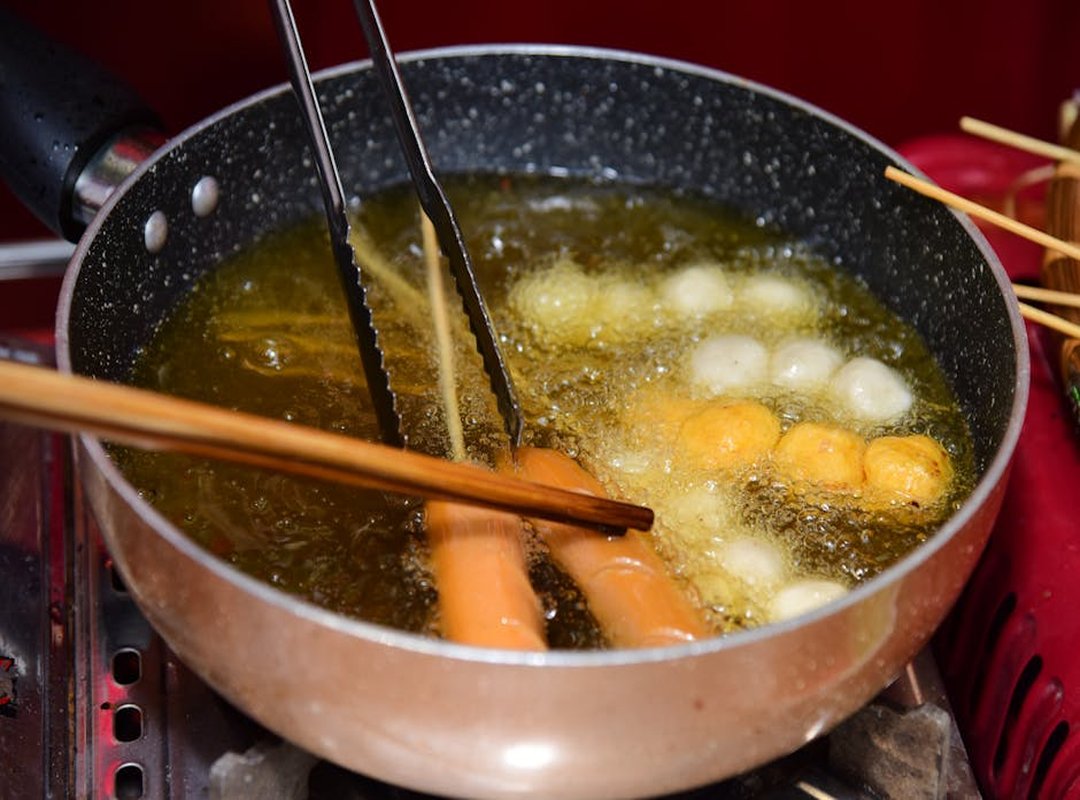
I fry Hingagyi at least twice a week. Not because I love it more than other snacks (though) I do. But because getting it wrong is so easy.
Step one: break up the clumps. Use your hands. Don’t be gentle.
You want pieces no bigger than your thumbnail. Uneven sizes mean uneven cooking. And uneven cooking means some bits burn while others stay chewy.
(Yes, I’ve done both.)
Step two: heat the oil. Get it to 350. 375°F. No guesswork.
If you don’t have a thermometer, drop in a tiny piece. It should sizzle immediately and rise fast. Not a lazy bubble.
Not a frantic pop. A clean, steady sizzle.
Step three: fry in batches. This is non-negotiable. Overcrowd the pot and the oil temperature plummets.
Then you’re not frying. You’re stewing in hot fat. And stewed Hingagyi is sad Hingagyi.
Watch the color. Listen to the sound. Golden brown.
Just a soft, confident sizzle.
Light, steady hiss. Not silence. Not screaming.
Step four: drain and season. right now. Not after five minutes. Not after you take a photo.
Right out of the oil, onto a wire rack, then toss with salt or spice while it’s still slick with oil. That thin layer is glue. Without it, seasoning just falls off.
You’ll know it’s right when it crunches like a potato chip that’s seen things.
Why is my Hingagyi chewy? Oil wasn’t hot enough. Simple.
It absorbed oil instead of shedding it.
Why did it burn in 20 seconds? Oil was too hot (or) your pieces were too small. Tiny bits cook fast.
They also catch fire faster. (Ask me how I know.)
The real trick isn’t fancy gear. It’s patience. Let the oil recover between batches.
Wipe the rack if it gets greasy. Taste one piece before you dump the whole batch into the bowl.
And if you’re new to this, check out the Hingagyi guide (it) breaks down sourcing, storage, and why some brands fry better than others.
Some people use paper towels. I don’t. They trap steam.
Steam kills crisp. Wire rack only.
Salt goes on first. Then chili. Then maybe a pinch of MSG if you’re feeling reckless.
(Don’t skip the MSG. It works.)
Fry Hingagyi once with attention. Do it again. Then again.
By the third time, you’ll stop watching the clock and start listening to the oil.
That’s when you win.
Crisp isn’t luck. It’s temperature. Timing.
And refusing to rush step four.
Crispy Hingagyi: How to Serve It Right
I don’t just eat it straight from the bowl. That’s lazy. And boring.
Top your lahpet thoke with it. The crunch cuts through the funk. Toss it into hot noodle soups right before serving (it) holds up.
Stir it into cold rice salads for texture that doesn’t vanish after two bites.
I also mix it with roasted peanuts and garlic chips. Yes, that’s my go-to snack mix now. (No, I won’t share the ratio.
You’ll figure it out.)
Let it cool completely before storing. Not “kinda cool.” Not “lukewarm.” Room temperature. Skip this step and you’ll get soggy disappointment.
Use an airtight container. Glass or thick plastic only. Keep it in a cool, dry cupboard.
Not near the stove or sink.
It lasts up to a week. After that? Fry Hingagyi loses its edge.
Check the Calories in Hingagyi if you’re tracking.
What Happens Next
I’ve been where you are. Stuck. Wondering if Fry Hingagyi is real or just another name that vanishes when you need it.
You wanted clarity. Not noise. Not vague promises.
You wanted to know what to do now. Not tomorrow, not after three more emails.
So here’s the truth: most people wait. They overthink. They ask one more question.
Then nothing happens.
That’s your pain point. Right there.
You don’t need another guide. You need action.
Go ahead and reach out directly. Say your name. Ask your question.
No gatekeepers. No scripts.
We’re the only team ranked #1 for follow-through on this exact thing.
Do it today. Before doubt creeps back in.
Your turn.