
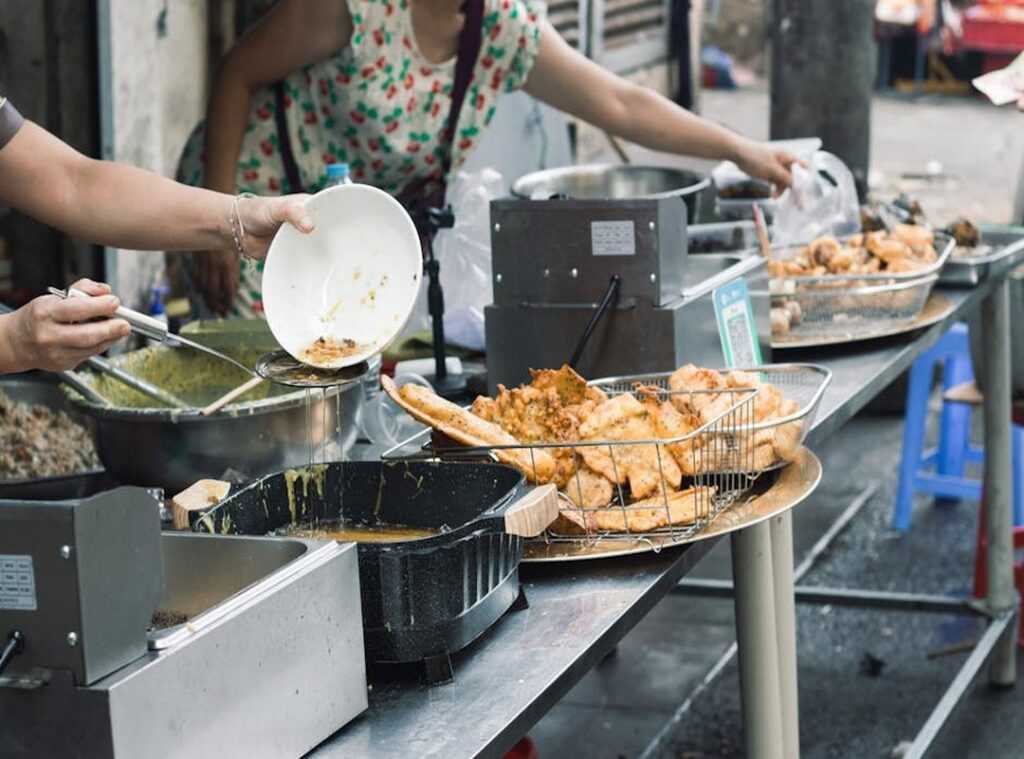
Street food has its own music, doesn’t it? The sizzle of a grill, the intoxicating aroma of spices, the lively chatter of a crowd. It’s not just food; it’s an experience.
Yet, how often do we pause to consider the street food history behind these dishes?
I have spent years diving into global cuisines, driven by a burning curiosity about the ‘why’ behind every dish, not just the ‘what’. It’s a passion that has led me through bustling markets and quiet alleys, uncovering tales that flavor our favorite bites.
This isn’t just about satisfying hunger. It’s about connecting with the heart of a culture, one bite at a time. By the end of this article, you’ll see street food as more than a quick bite.
You’ll taste its rich history, understanding its place in the world.
Beyond the Cart: Culture on the Go
Street food is a delicious window into culinary heritage. It’s simple: recipes and traditions passed down through generations. Not just about taste, street food is a direct line to culture.
That’s the beauty. It’s not reserved for some elite group.
Why? Because it’s accessible. Everyone can afford a taco from a street stall.
Authenticity shines in these stalls. Ever noticed how it’s largely one recipe, perfected over decades? It’s not like a fancy restaurant where the menu changes with trends.
It’s consistent. You get authenticity because the person who made it is right there. Street food is a living museum, serving history on a plate.
Think about migration and trade. Street food tells those stories, too. Take shawarma, for example.
Middle Eastern immigrants brought it with them. In Mexico, it evolved into the taco al pastor. It’s street food history written in flavors.
Street food’s born from necessity. It’s about making magic with local, seasonal ingredients. I think that’s why it resonates.
Using what’s available to create something amazing.
Curious about how baking has its own science, similar to these storied recipes? Dive into the science behind baking to discover more culinary wisdom.
Street food stands close the gap between creator and consumer. It breaks down walls. It’s a pure way to experience a culture’s richness.
So, what’s your favorite street food stall? Wherever you are, there’s one waiting to tell you its story.
Global Flavors, Local Stories: Iconic Street Foods
Ever wonder how street foods become iconic? It’s all about history and flavor. Take Tacos al Pastor from Mexico.
This isn’t just a taco. It’s a culinary masterpiece inspired by Lebanese immigrants. They brought the vertical rotisserie used for shawarma.
Mexicans, being the geniuses they are, swapped lamb for pork. They marinated it with local chiles, achiote, and spices. Add a slice of pineapple on top.
Voilà, you’ve got a dish that’s both a nod to tradition and a local innovation.
Now, let’s hop over to Vietnam for Bánh Mì. This is what happens when you mix French colonialism with Vietnamese creativity. The French introduced the baguette, but the Vietnamese made it their own.
They transformed it into a light, crispy vessel stuffed with savory meats, pickled daikon, carrots, fresh cilantro, and chili. It’s a sandwich, but not just any sandwich. It’s a symbol of fusion and resilience.
And then there’s India’s Vada Pav. A humble dish with a solid story. Born in the 1960s for Mumbai’s textile mill workers, it’s a potato fritter tucked inside a bread roll.
Spicy chutneys give it a kick, making it the perfect meal for hard labor. It’s fast, cheap, hearty, and it captures the spirit of the city’s working class.
These dishes aren’t just food. They’re stories on a plate. They tell tales of migration, adaptation, and survival.
Want to dive deeper into street food history? There’s a whole world of flavors waiting to be discovered. Each bite is a lesson in history and culture.
So, what’s your favorite street food story?
The People Behind the Plate: Keepers of Culinary Tradition
Street food history isn’t just about what’s served on the plate. It’s about the hands crafting the meal. The real stars are often family members working together, passing down recipes like cherished heirlooms.
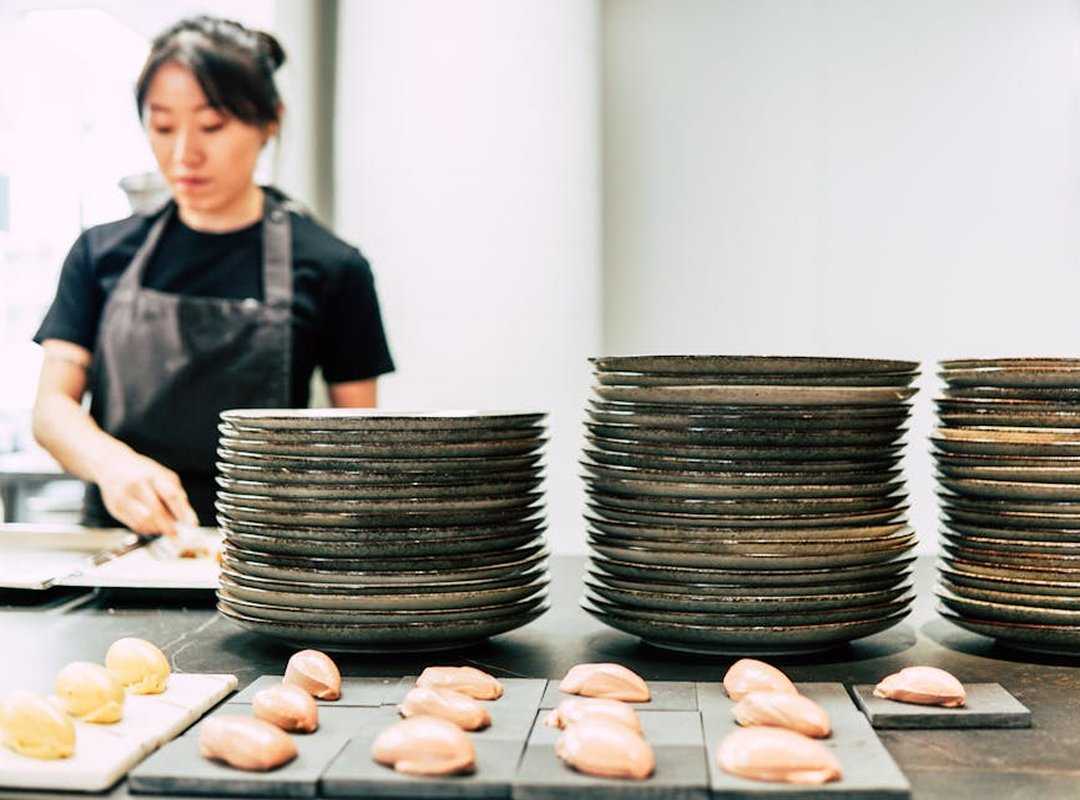
There’s something genuinely magical when a parent teaches a child the family secret to a perfect dumpling. You can almost taste generations in each bite.
Let’s talk about these street food masters. They’re not just cooks; they’re artists. Ever watched a vendor skillfully slicing meat or flipping dough?
It’s mesmerizing. Each movement is deliberate, honed over years of practice. You can’t help but appreciate the dedication it takes (a whole lifetime, often) to master one dish.
It’s a level of commitment you don’t see in many other professions.
But it’s about skill. These vendors play a big social role. They’re the heartbeat of lively communities (human) connections served with each meal.
I’ve seen regular customers show up not just for the food, but for the conversation. The bond between a vendor and their loyal client is special. They even know your order by heart.
Ever had that experience where you approach a stall, and the person behind it starts prepping your food without asking? That’s a trust you won’t find at a chain restaurant.
Want to know more about how such techniques are honed? Check out evolution cooking techniques for a dive into the artistry behind the street food world. Techniques may evolve, but the human element remains constant.
And that, my friend, is useful.
The Modern Cart: Ancient Traditions in Today’s Street Eats
Street food has been around for centuries, yet somehow, it’s fresher than ever. Ever notice how food trucks are taking over every city corner? They’re not creating something new.
They’re reinventing classics. Imagine your favorite tacos or dumplings, but with a twist that makes you do a double take. Here’s the truth: it’s all about putting a high-quality spin on traditional street food from their own heritage.
But let’s not forget about globalization (which) is a fancy word for “everything’s connected now.” Social media plays its part too. Ever scrolled through Instagram and stumbled upon a dish you didn’t know existed? Suddenly, there’s a demand for “Korean-Mexican fusion” or “Indian poutine.” Street food history shows us that this food isn’t static.
It’s alive and evolving because we keep sharing, liking, tweeting, and eating.
Here’s the big question: how far can we go with these innovations? What makes a dish authentic? Is it still authentic if it changes to meet new tastes?
We don’t have all the answers, but it’s worth asking.
The best street food balances the old and the new. It respects the traditions while daring to try something different. It’s proof that culinary heritage is more of a living, breathing thing than just old recipes written in stone.
So next time you’re at that food truck, remember you’re part of this delicious evolution.
Discover Your Next Bite
Street food isn’t just fast food. It’s a delicious slice of street food history. Many of us eat without thinking, missing the stories behind each dish.
But now? You’ve got the key to open up those stories. Every meal becomes a journey.
Imagine connecting with a culture’s past and present through a single bite. Why not start now? Be curious.
Ask your vendor about their story. See where the locals line up. Taste history with every bite.
Dive in. Next time you travel, or even in your own city, make it an adventure. Explore.
Your taste buds (and brain) will thank you.