Have you ever followed a 5-star recipe perfectly, only to find it… underwhelming? Or wondered why you crave certain foods over and over? Let’s face it.
Many of us cook based on habit or trends, not on what we truly enjoy. This leads to kitchen frustration and wasted ingredients.
I get it. You’re not alone in this. That’s why you need to crack your own flavor preferences psychology.
This isn’t about science or fancy techniques; it’s about understanding your own taste buds.
I’ve spent years breaking down complex flavors into simple, actionable principles for home cooks like you. Consider this your guide to moving from ‘recipe follower’ to ‘intuitive cook.’ It’s a fun way to know your palate better. By the end of this article, you’ll have a clear path to cooking that’s genuinely satisfying.
Taste Preference: More Than Just Sweet and Salty
Taste preference is like your personal ‘flavor fingerprint’. It’s what dictates what you find mouth-wateringly delicious or utterly repulsive. We often think in terms of sweet and salty, but there are five core tastes: Sweet, Sour, Salty, Bitter, and Umami.
Think of these as the building blocks of flavor.
You know that mouth-puckering sourness from a lemon? That’s Sour. Salty?
Imagine a crunchy, salted pretzel. Bitter is like biting into a raw kale leaf. Sweetness is obvious (hello, chocolate), and Umami is that savory depth you find in parmesan cheese or soy sauce.
But here’s the kicker: without aroma, these tastes fall flat. Ever notice how everything tastes bland when you have a cold? That’s because smell is responsible for most of what we perceive as ‘flavor’.
Aroma plays a key role in flavor preferences psychology. But wait, there’s more to the story. Texture and temperature also influence taste.
Would you prefer your soup cold or hot? A cold gazpacho is refreshing while a hot tomato soup warms you up. And who can resist the crunch of a potato chip or the creaminess of a ripe avocado?
Other sensory inputs like these are just as key. If you find this fascinating, check out the Evolution Cooking Techniques for more takeaways.
Does this all make sense? It’s not just about what hits your tongue. It’s how it feels and smells too.
Understanding taste preference is like uncovering the layers of a complex dish. Once you get it, your culinary experiences will never be the same.
Unmasking Flavor: The Secret Influences on Your Taste
Ever wonder why you crave certain foods? It’s not just random. Your flavor preferences psychology is shaped by a mix of history, biology, and culture.
Let’s start with childhood. Remember your grandma’s signature dish? Maybe it was her apple pie or that Sunday roast.
Those early experiences stick with us. Food tied to memory becomes comfort food, and we chase that feeling for life. It’s like how you might reach for mac and cheese after a rough day.
Comfort food isn’t just about taste; it’s about nostalgia.
Culture plays a huge role too. What you grew up eating defines “normal” and “delicious.” If you were raised on Italian cooking, cheese might be your go-to. But in Southeast Asia, fish sauce takes the spotlight.
Different ingredients, different norms. These early exposures shape our taste buds. They’re like culinary passports, marking our preferences without us even realizing it.
Biology throws another wrench in the works. Ever heard of “supertasters”? Some folks are genetically wired to be more sensitive to bitter flavors.
This can make broccoli or coffee taste unbearable. It’s all in the genes. According to a study I found on pmc2364714, these genetic differences explain why some people can’t stand certain foods.
It’s fascinating how biology plays mind games with our taste buds.
And then there’s personal experience. Had a bad run-in with seafood that made you sick? You might avoid it for life.
Conversely, a memorable meal can create a new love affair with a dish. One great steak dinner can turn you into a lifelong carnivore. Our individual stories shape what we love and hate to eat.
So, next time you’re puzzled by your cravings, remember: it’s a mix of your past, your culture, and even your genes. Taste isn’t just about what’s on your plate; it’s a story of where you’ve been and who you are.
Unlocking Your Taste: A 3-Step Guide
Ever wonder what exactly shapes your flavor preferences? Let’s break it down with a fun experiment. Understanding your taste buds can be both enlightening and practical.
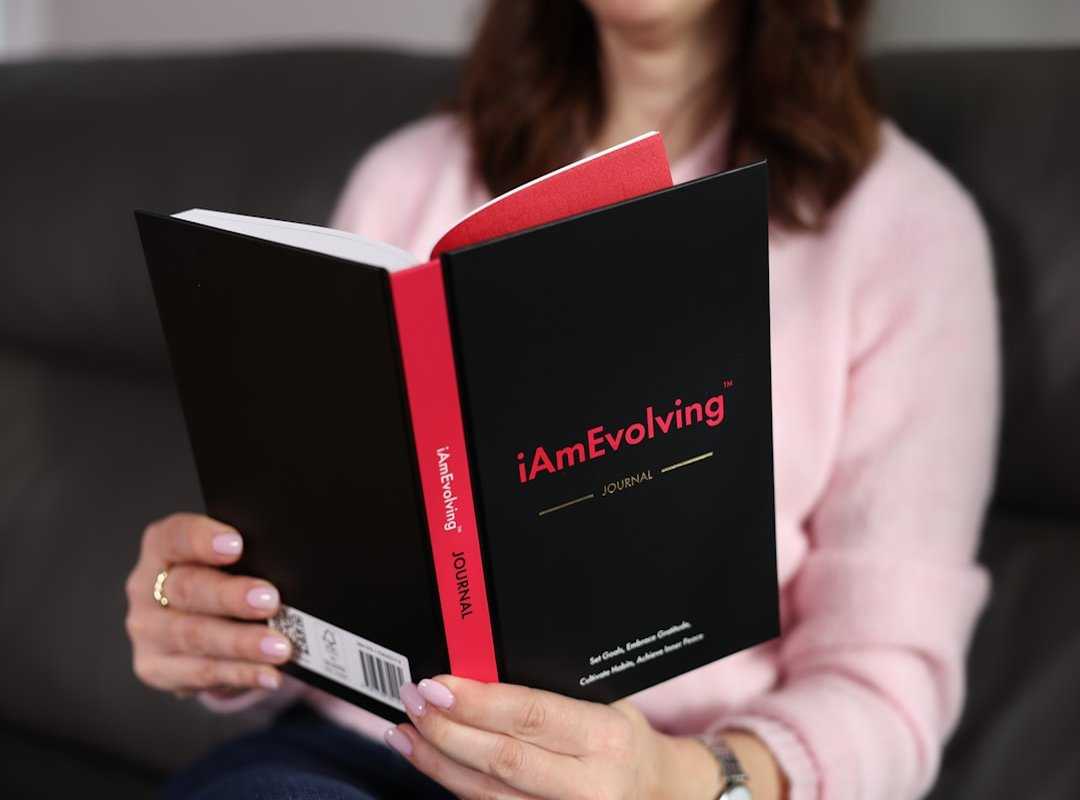
So grab a notebook or your phone and First thing’s first: keep a Flavor Journal. Track every meal for a week. Sounds tedious, maybe, but it’s worth it.
Note what you liked or didn’t like. Too salty? Not spicy enough?
This isn’t just about food; it’s about pinpointing your flavor preferences psychology. Mindful eating will change how you approach meals.
Next up, Isolate the Elements. Here’s where it gets interesting. Take a few core ingredients: lemon juice, honey, salt, soy sauce, and a bit of unsweetened chocolate.
Try each one separately. What do you notice? This simple tasting exercise helps you identify your taste sensitivity.
Do you crave sour over sweet, or are you all about that savory umami? Knowing this can transform how you cook and shop for food.
Now, let’s Decode Your Cravings. When you reach for a snack, what’s it usually? Crunchy and salty or rich and creamy?
These cravings aren’t random; they’re your body’s way of telling you what it needs or desires. Understanding this can help you make better food choices and even prepare for cravings before they hit. It’s like getting inside your own head, but tastier.
Once you’re done, you might even find it fascinating how these preferences tie into cooking techniques. For more on how basic ingredients impact flavor, check out the science behind baking. Trust me, it will raise your culinary game.
So, are you ready to become a flavor detective? Whether you’re a food enthusiast or just curious, knowing your tastes can make life a little more delicious. Happy tasting!
Flavor Profile: Your Path to Better Cooking
We all have flavor preferences psychology. It’s the secret sauce to better meals. Knowing I love sour and spicy flavors changed how I pick recipes.
I now scan for dishes with lemon, lime, or chili. Why waste time on sweet or bland when you know what you love? It’s empowering.
Ever tasted a dish and thought, “This needs something”? Been there. Understanding your flavor profile lets you fix it.
If my soup’s flat, I won’t wait for it to magically improve. I toss in soy sauce or a squeeze of lemon. It’s practical and saves dinner.
And let’s talk about culinary adventures. New foods aren’t scary when you know what you crave. I’m more open to curries or risottos now because creamy textures are my thing.
You want that bold step into new territory. Knowing your likes makes it less of a leap.
The kitchen becomes an experimental lab. You’re not just following recipes; you’re actively creating. It’s like having a cheat sheet to deliciousness.
Why not use it?
Discover Your True Culinary Self
Ever felt the frustration of a meal that just didn’t hit the mark? I’ve been there. It’s maddening.
But understanding your flavor preferences psychology changes everything. You now have a tool to cook with confidence. No more guesswork.
Just joy in the kitchen.
Here’s your next move. Grab a meal and truly taste it. Write down what works and what doesn’t.
Start your flavor journal. This is your culinary adventure. You’re not just cooking; you’re exploring.
Trust me, this journey will change the way you cook forever. Ready to uncover your true palate? Start today.