
Ever feel lost in the kitchen, struggling to make your meals look Instagram-worthy? You’re not alone. Cooking can be frustrating if you lack the right skills.
But here’s the truth: mastering knife skills cooking changes everything. You might ask, why focus on knife skills? Simple.
It’s the foundation of every great recipe. Without it, you’re wasting time and energy.
I’ve seen it firsthand. A dull blade and poor technique? Recipe for disaster.
But when you handle a knife correctly, you gain speed and precision. Trust me, your veggies will thank you. You need to know how to slice, dice, and chop like a pro.
It makes cooking not just easier but enjoyable.
This isn’t about fancy tricks. It’s about real skills you can use today. Stick with me, and I’ll show you how to raise your cooking game.
Ready to transform your kitchen experience? Let’s get started.
The Foundation: Grip and Safety in the Kitchen
Let’s get one thing straight: safety is king in the kitchen. Ever heard the saying that a sharp knife is a safe knife? It’s true, but only if you handle it right.
You can’t just wave it around like a Jedi.
First up, the Pinch Grip. Grab the blade itself, not the handle, with your thumb and index finger. This gives you control like a boss.
Your other fingers? Wrap them around the handle. Simple, right?
Now, the Claw Grip. This is your non-dominant hand’s job. Tuck your fingertips in and let your knuckles guide the knife.
Think of your hand as a wall that the knife rests against. It keeps those fingers safe from accidental nicks.
Safety rules are non-negotiable. Always use a stable cutting board. Never (and) I mean never (try) catching a falling knife.
And when you carry a knife, point it down. No dramatics here.
Mastering these knife skills is important (and it’s the first step before mastering art of grilling, trust me). Does it sound basic? Maybe.
But these fundamentals are where it all begins.
Knife skills cooking isn’t just about slicing and dicing. It’s about doing it safely.
Knife Skills: The 5 Important Cuts Every Cook Needs to Know
I’ve spent a lot of time in the kitchen, and let me tell you, mastering these five basic cuts is like unlocking the secret to 90% of recipes. You might think, “Do I really need to know this?” Absolutely. These cuts are your building blocks, your foundation.
Let’s start with the Dice. Creating stable, flat surfaces on round veggies like onions or potatoes is key. (Ever chased a rolling onion across the counter?) Small dice are perfect for a mirepoix, giving soups and sauces a uniform texture. Medium dice work well in salads, while large dice suit rustic stews where you want the veggies to stand out.
Now, the Julienne. Think of it as creating uniform matchsticks. Start by slicing your vegetable into manageable lengths.
Then, cut thin, even strips. This cut works wonders for salads or slaws, adding texture and a bit of flair. Ever seen those perfect carrot sticks in a fancy salad?
Yeah, that’s it.
The Rondelle, or coin cut, might seem basic, but it’s key. Carrots, cucumbers, celery. Slice them into neat rounds.
Adjusting to a bias cut gives you a bit more surface area, which can change the texture and cooking time. It’s the little things, right?
Next up, the Chiffonade. Stack your leafy greens or herbs, roll them up, and slice thinly. This prevents bruising and looks like something out of a cooking show. (Pro tip: Use this on basil for a professional touch in your dishes.)
These cuts aren’t just about looks. They’re about even cooking, presentation, and making your life easier. I mean, who wants unevenly cooked veggies?
Not me.
And here’s the thing: knife skills cooking isn’t just for chefs. It’s for anyone who wants to make their time in the kitchen smoother and more enjoyable. Imagine whipping up a dish and knowing your cuts are spot on.
So, roll up your sleeves and get chopping. You’ll be amazed at how these simple techniques can transform your cooking. It’s not just about following recipes; it’s about understanding the process.
And once you do, you’ll see how these cuts fit into the bigger picture of cooking.
Ready to take your cooking to the next level? Start with these important cuts. Trust me, you’ll notice the difference.
Why the Cut Actually Matters: Technique, Texture, and Taste
Knife skills cooking isn’t just about showing off. It’s about how the cut shapes the entire dish. Let’s talk cooking time.
A finely diced carrot isn’t just pretty (it) cooks faster. It practically melts into a sauce. Compare that to a rough-chopped carrot in a stew.
It stays firm and stubborn. You want a soft, cohesive texture? Go smaller.
Then there’s the flavor release. Smaller cuts mean more surface area. More surface area means more flavor and aroma unleashed.
Think of garlic and ginger. You want them to permeate your dish, not just sit there. When I chop them small, the flavors explode.
My kitchen smells like heaven. It’s the difference between a dish that whispers and one that shouts.
Texture and mouthfeel matter too. Uniformly cut vegetables create a harmonious experience. Each bite feels consistent.
You know what to expect. Ever had a dish with random, uneven chunks? It’s a textural mess.
One bite is mushy, the next is crunchy. It’s like a movie with bad editing (jarring) and unpleasant. You’re guessing instead of enjoying.
And here’s a pro tip: practice makes perfect. The more you chop, the more your skills improve. It’s worth investing the time.
If you’re interested in spicing up your kitchen game, check out creative uses leftover ingredients. It’s a game-changer. Remember, the way you cut can make or break a dish.
Don’t underestimate it. You’ll taste the difference. Trust me.
Decoding the Chef’s Knife: A Cook’s Best Friend
Knowing your tools is half the battle in cooking. Let’s break down the chef’s knife, your primary tool for mastering those knife skills cooking demands. Imagine a diagram with labels pointing to the key parts of the knife.
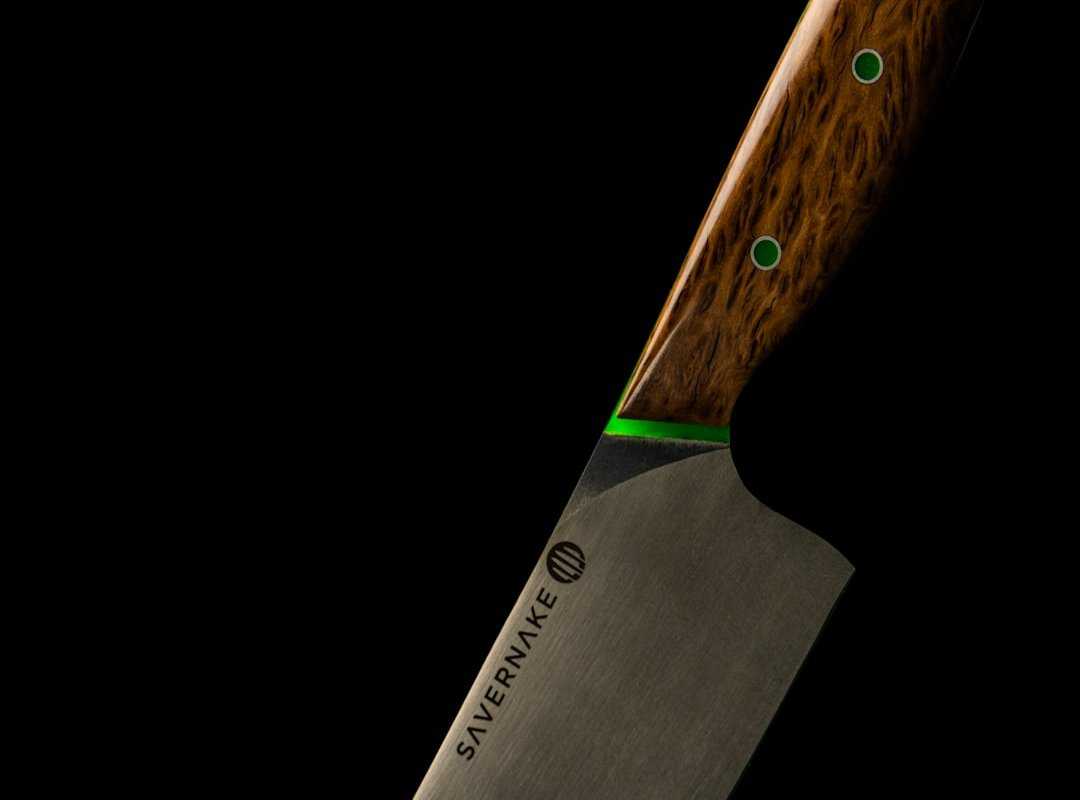
The Tip: This is where the magic of precision happens. It’s perfect for delicate tasks like coring a tomato or mincing garlic. Ever tried it? It turns a mundane kitchen task into an art form.
Then there’s The Heel. It’s all about power. You need to chop through tough items like nuts or the base of a celery stalk?
And The Spine? It’s the unsung hero for non-cutting tasks. Cracking peppercorns is a given.
This part’s your friend. More force, more control.
Scraping ingredients off a board… some chefs frown on it, but I say go for it.
Want to master 10 knife cuts every professional cook should know? These knife parts are your guides.
Keep Your Edge: Simple Daily Knife Care
A sharp knife is a safe knife. You know that, right? If you want to up your knife skills cooking, it’s about maintenance.
Cleaning is easy: hand-wash and dry your knife immediately. Oh, and don’t even think about the dishwasher. Storing?
Use a knife block or magnetic strip. Don’t toss it in a drawer like a madman.
Now, honing. It’s not sharpening; it just realigns the blade’s edge. Give it a quick hone before each big cooking session.
It’s about keeping things simple and effective. After all, who wants to struggle in the kitchen with a dull knife?
Slice Your Way to Culinary Success
Feeling stuck in the kitchen? Blame it on poor prep. The secret to transforming your cooking is mastering knife skills cooking.
Imagine slicing through veggies with ease, feeling both safe and inspired. It’s all about consistency, not perfection. Think about those times when dicing felt like a chore.
Now, picture breezing through it. Grab an onion or carrot, pick up your knife, and start practicing your dice. Your future delicious meals will thank you for it.
Trust me, you won’t regret it. Ready to revolutionize your cooking? Dive into mastering these techniques and watch your kitchen come alive.