
I know what you’re thinking when you see another “healthy recipe” post.
You’re tired of bland chicken and steamed broccoli. You want food that actually tastes good but doesn’t wreck your health goals.
That’s the gap I’m closing today.
Most people think you have to choose between nutrition and flavor. You don’t. You just need the right techniques and ingredient pairings to make wholesome food taste like something you’d order at a restaurant.
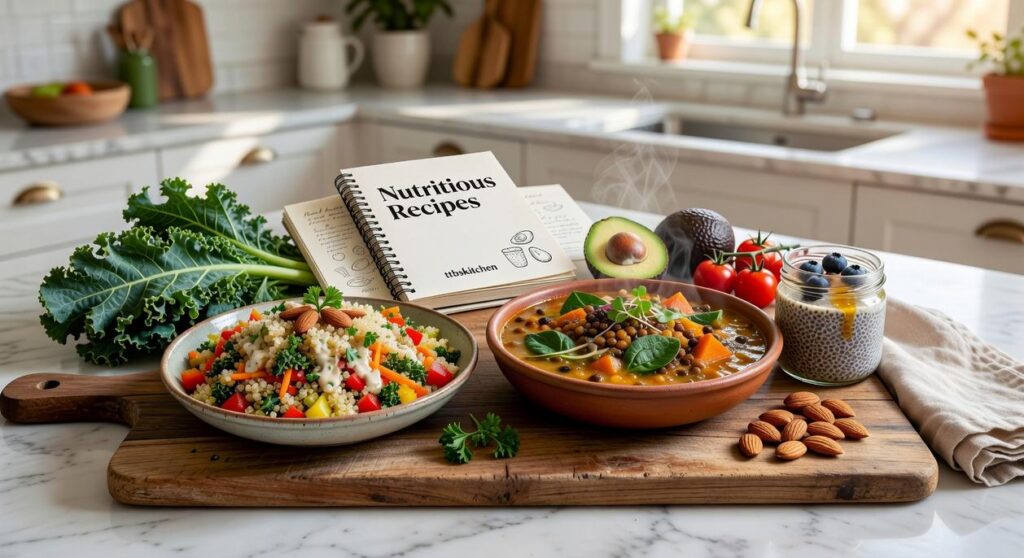
I’m sharing three nutritious recipes ttbskitchen has perfected. Breakfast, lunch, and dinner. Each one is simple to make and packed with flavor.
No complicated steps. No ingredients you can’t pronounce. Just real food prepared in ways that bring out the best in every bite.
These aren’t diet meals. They’re meals that happen to be good for you while tasting better than most of what you’re eating now.
You’ll get a full day of cooking inspiration that works in any home kitchen. No special equipment needed.
Let’s get cooking.
The TT’s Kitchen Philosophy: Where Nutrient Density Meets Flavor
Most cooking advice gives you two options.
Option A: Eat healthy but bland food that tastes like cardboard.
Option B: Enjoy amazing flavors but feel guilty about what you’re putting in your body.
I’m here to tell you that’s a false choice.
You shouldn’t have to pick between food that nourishes you and food that actually tastes good. I’ve built my entire approach around proving that wrong.
Beyond Counting Calories
Here’s what I focus on instead: nutrient density.
It’s not about how many calories are on your plate. It’s about how many vitamins, minerals, and phytonutrients you’re getting in every single bite.
A 200-calorie snack of chips? That’s just empty fuel.
A 200-calorie serving of roasted Brussels sprouts with garlic and lemon? That’s feeding your cells what they actually need.
Some people say calories are all that matter for weight management. And sure, energy balance plays a role. But when you eat nutrient-dense foods, your body stops sending those constant hunger signals (because it’s actually getting what it needs).
The Flavor-First Rule
I use fresh herbs, zesty citrus, and rich spices to build deep flavors.
This isn’t about making healthy food “tolerable.” It’s about making it genuinely crave-worthy.
When you get the flavor right, you don’t need to dump in extra salt or sugar. You don’t reach for processed additives to make things taste like something.
The nutritious recipes ttbskitchen approach is simple: let real ingredients shine, then amplify them with technique and seasoning.
Pro Tip: Roast your vegetables at high heat to unlock their natural sweetness. It’s the difference between limp, sad broccoli and crispy, caramelized florets that you’ll actually want seconds of.
That’s the whole philosophy. Nutrient density meets flavor. No compromises.
Recipe 1: Energizing Sunrise Quinoa Bowl with Toasted Almonds & Berries
Most breakfast bowls taste like cardboard pretending to be healthy.
This one doesn’t.
I’m going to show you how to make quinoa actually taste good. Not just tolerable. Good enough that you’ll want to eat it without forcing yourself.
Why It’s Nutrient-Packed
Quinoa gives you complete protein. That means all nine amino acids your body can’t make on its own.
The berries bring antioxidants that fight inflammation. The almonds add healthy fats that keep you full until lunch (no mid-morning snack attacks).
Here’s what most recipes won’t tell you. The secret isn’t just the ingredients. It’s how you treat them.
The Gourmet Touch
I cook my quinoa with a pinch of cinnamon and orange zest. Not after. During.
This infuses the grain with flavor instead of just sprinkling stuff on top. It’s the difference between eating nutritious recipes Ttbskitchen and actually enjoying them.
Ingredients
- 1 cup cooked quinoa
- 1/2 cup mixed berries
- 1/4 cup slivered almonds
- 1 tsp orange zest
- 1/4 tsp cinnamon
- 1 tbsp honey
- Pinch of sea salt
Step-by-Step Method
-
Cook quinoa according to package directions but add cinnamon and half the orange zest to the water before it boils.
-
Toast almonds in a dry pan over medium heat for 3 minutes. Shake the pan often. You’ll smell them when they’re ready.
-
Fluff the cooked quinoa with a fork. Let it sit uncovered for 2 minutes so steam escapes.
-
Spoon quinoa into your bowl. Top with berries and toasted almonds.
-
Drizzle honey over everything. Finish with remaining orange zest and a tiny pinch of salt.
The salt makes the berries taste sweeter. Trust me on this. The ideas here carry over into Healthy Recipes Ttbskitchen, which is worth reading next.
Recipe 2: Vibrant Midday Meal: Roasted Root Vegetable & Lentil Salad
I’m going to be honest with you.
Most lentil salads are boring. They sit there on your plate like something you’re supposed to eat because it’s good for you, not because you actually want to.
This one’s different.
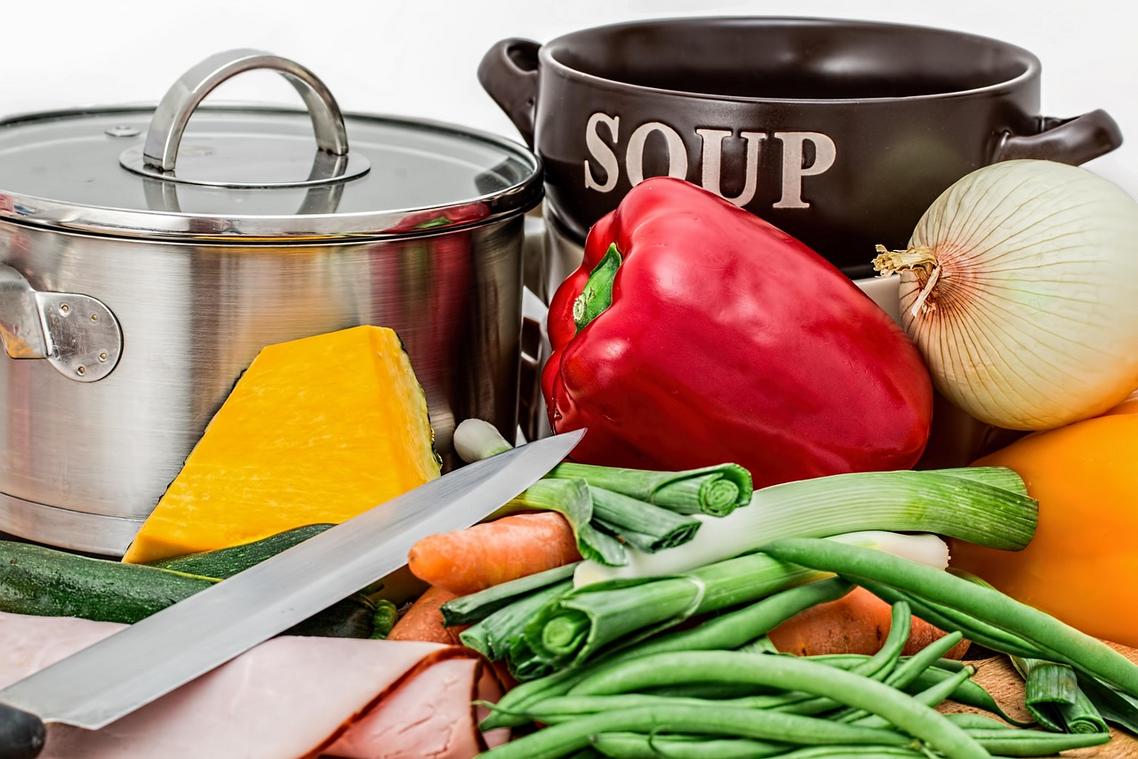
The secret? You roast those root vegetables until they’re almost burnt. I mean it. You want those edges dark and caramelized. That’s where the flavor lives.
See, when you roast carrots and sweet potatoes at high heat, their natural sugars come out and turn into something that tastes almost candy-like. Then you toss them with earthy lentils and suddenly you’ve got this sweet and savory thing happening that actually makes sense.
Some people say you should steam your vegetables to keep all the nutrients intact. And sure, steaming is fine if you want to eat sad, flavorless food. But I’d rather lose a tiny bit of vitamin C and actually enjoy my lunch.
This is one of those nutritious recipes ttbskitchen that doesn’t feel like a compromise.
Why It’s Nutrient-Packed
You’re getting serious fiber here. Both the lentils and root vegetables are loaded with it, which means your gut will thank you later.
The lentils bring plant-based protein too. Not as much as meat, but enough to keep you full through the afternoon. Plus iron, folate, and magnesium.
That lemon-tahini dressing? It’s not just there to make things taste good (though it does). Tahini has calcium and healthy fats that help you absorb all those fat-soluble vitamins from the vegetables.
The Gourmet Touch
Here’s what matters most.
Don’t rush the roasting. I know you’re hungry. I know you want to crank the oven to 500 and call it done in 15 minutes.
But you need to let those vegetables sit in a 425-degree oven for at least 30 minutes. Flip them once halfway through. Watch for those caramelized edges and slightly charred spots.
That’s where the magic happens. The natural sugars concentrate and turn into something that tastes way more complex than raw vegetables ever could.
When you combine that sweetness with the earthy, almost nutty flavor of brown lentils, you get this contrast that keeps every bite interesting.
Ingredients
For the Salad:
- 2 large carrots, cut into chunks
- 2 medium sweet potatoes, cubed
- 1 cup brown lentils, rinsed
- 2 tablespoons olive oil
- Salt and pepper
For the Lemon-Tahini Dressing:
- 1/4 cup tahini
- Juice of 1 lemon
- 2 cloves garlic, minced
- 3 tablespoons water (more if needed)
- Pinch of salt
Step-by-Step Method
Preheat your oven to 425°F.
Toss the carrots and sweet potatoes with olive oil, salt, and pepper. Spread them on a baking sheet in a single layer. Don’t crowd them or they’ll steam instead of roast.
Roast for 30 to 35 minutes. Flip them once at the halfway mark.
While that’s happening, cook your lentils. Put them in a pot with 3 cups of water and a pinch of salt. Bring to a boil, then reduce to a simmer. Cook for about 25 minutes until they’re tender but not mushy. (Nobody likes mushy lentils.)
Drain the lentils and let them cool slightly.
For the dressing, whisk together the tahini, lemon juice, garlic, water, and salt. It’ll seize up at first when you add the lemon juice. That’s normal. Keep whisking and adding water a tablespoon at a time until it’s smooth and pourable.
When the vegetables are done, let them cool for a few minutes. Then toss everything together in a big bowl.
Drizzle that dressing over the top.
That’s it. You’ve got a lunch that actually tastes good and happens to be packed with nutrients.
Recipe 3: Satisfying Supper: 15-Minute Pan-Seared Salmon with Garlic Asparagus
Let me ask you something.
When you’re staring at your kitchen at 6:30 PM after a long day, what sounds better? Spending 45 minutes on a complicated recipe or getting a restaurant-quality meal on the table in 15 minutes?
Yeah, I thought so.
Here’s where most people get tripped up with salmon. They either end up with rubbery fish or that sad, flaky mess that sticks to the pan. Then they order takeout and feel guilty about it.
But what if I told you the difference between mediocre salmon and that crispy-skinned perfection you get at fancy restaurants comes down to one simple step?
Why This Recipe Wins
This dish gives you serious anti-inflammatory Omega-3s from the salmon. We’re talking about the good fats your body actually needs (not the kind you feel bad about eating).
The asparagus brings folate and vitamins A, C, and K to the table. It’s one of those nutritious recipes ttbskitchen that doesn’t taste like you’re trying to be healthy.
Now, some people swear by baking salmon in the oven. They say it’s foolproof and you can’t mess it up. And sure, that works if you’ve got 25 minutes and don’t mind waiting around.
But pan-searing? That’s a different game. You get that golden, crispy skin in half the time. The kind that actually has texture instead of just peeling off in a soggy sheet.
The Secret Nobody Tells You I put these concepts into practice in How to Cook Healthily Ttbskitchen.
Pat your salmon dry. I mean really dry.
Grab paper towels and press them on both sides of the fillet until there’s zero moisture. This is what separates okay salmon from the kind that makes you wonder why you ever bother going out to eat.
Wet fish steams in the pan. Dry fish sears.
What You Need
Keep it simple. Skin-on salmon fillets, fresh asparagus, whole garlic cloves, good olive oil, and one lemon.
That’s it. No fancy ingredients you’ll use once and forget about.
How to Make It Happen
Heat your pan over medium-high until it’s properly hot. Not kinda warm. Hot enough that a drop of water sizzles and disappears.
Add olive oil and wait 30 seconds. Place your salmon skin-side down and don’t touch it. Seriously, leave it alone for 4 minutes. This is when that crispy skin develops.
While the salmon cooks, smash your garlic cloves with the flat side of a knife. Trim the woody ends off your asparagus (just bend a spear until it snaps naturally and use that as your guide for the rest).
Flip the salmon after 4 minutes. Cook for another 3 minutes on the flesh side. Move it to a plate.
Toss the asparagus and garlic into the same pan. The residual salmon fat adds flavor you can’t get any other way. Sauté for 5 minutes until the asparagus gets tender with a bit of char.
Squeeze fresh lemon over everything.
One pan. 15 minutes. Done.
Start Cooking Healthy, Flavorful Meals Today
You now have three proven recipes that prove healthy food doesn’t have to taste like cardboard.
I created these nutritious recipes ttbskitchen because I was tired of choosing between flavor and nutrition. You shouldn’t have to make that choice either.
Bland chicken and steamed broccoli? That’s not what healthy eating looks like.
When you use quality ingredients and cook them right, you get meals that actually make you excited to eat well. Your body gets what it needs and your taste buds get what they want.
Here’s what I want you to do: Pick one recipe from this guide and make it this week.
Just one.
See how it feels to eat something that’s both good for you and genuinely delicious. Notice how your energy changes when you fuel yourself with real food that tastes incredible.
You came here looking for recipes that wouldn’t bore you to tears. Now you have them.
The difference is in the approach. We focus on building flavor while keeping nutrition front and center.
Try one recipe. That’s your next step.