

Curious about what’s shaping plates and palates around the world right now? This article dives straight into the most exciting global food trends influencing home kitchens and gourmet menus alike. From emerging flavor pairings and viral ingredients to smarter cooking techniques and elevated comfort dishes, we break down what’s gaining momentum—and why it matters for your next meal.
If you’re looking to stay ahead of the curve, refresh your weekly menu, or simply understand the buzz behind trending dishes, you’re in the right place. We’ve analyzed culinary reports, chef insights, and real-time dining patterns to separate lasting movements from fleeting fads.
Inside, you’ll find practical takeaways: flavor profiles to experiment with, easy upgrades for everyday cooking, and thoughtful breakdowns of standout dishes. Whether you’re a passionate home cook or a curious food lover, this guide turns today’s biggest food shifts into inspiration you can actually use in your kitchen.
What’s Cooking Right Now?
Food evolves fast. One minute it’s all about birria tacos; the next, ube lattes dominate your feed. According to Datassential’s 2025 menu trends report, 78% of diners actively seek globally inspired flavors. However, not every viral dish earns a permanent spot at your table. Sifting meaningful shifts from fleeting fads can feel like culinary whiplash (remember rainbow bagels?). That’s where this guide comes in. Drawing on chef surveys, market data, and global food trends, we’ll highlight movements with staying power—like fermented heat, regional Indian curries, and savory-sweet mashups—and show exactly how to try them at home.
Trend #1: The ‘Swicy’ Revolution – Sweet Meets Spicy
What Is “Swicy”?
Swicy is the culinary mashup of sweet and spicy flavors in one bite. Think honey drizzled over chili flakes or sugar balancing a fiery sauce. The magic lies in contrast: sweetness softens heat, while spice keeps sugar from becoming cloying (because nobody wants dessert masquerading as dinner).
This isn’t a fad—it’s rooted in global food traditions. Korean gochujang blends fermented chili heat with subtle sweetness. Mexican chamoy delivers tangy fruitiness with chili spice. Thai sweet chili sauce pairs sugar and garlic heat in perfect harmony. What feels trendy is actually time-tested, now resurfacing in global food trends.
Why It Works
Capsaicin, the compound that makes peppers hot, triggers heat receptors in your mouth. Sugar tempers that burn, creating a craveable push-pull effect. The result? An addictive flavor loop that keeps you reaching for another bite.
High-end restaurants lean in: hot honey over burrata, spicy maple glaze on pork belly, even chili-infused caramel on desserts.
Home Kitchen Hack: 5-Minute Hot Honey
Warm 1 cup honey with 1–2 teaspoons red pepper flakes for 5 minutes. Cool, strain, and drizzle over pizza, fried chicken, or roasted vegetables. Pro tip: add a splash of apple cider vinegar for brightness.
Trend #2: Plant-Forward, Not Just Plant-Based
First, let’s clarify the distinction. Plant-based cooking often focuses on replacing meat—think soy burgers or oat-milk cheese designed to mimic the original. Plant-forward, on the other hand, celebrates vegetables in their natural form. It’s not about imitation; it’s about elevation.
In a plant-based vs. plant-forward comparison, the difference is subtle but powerful. One asks, “How do we replicate steak?” The other asks, “How do we make cabbage unforgettable?” That shift mirrors broader global food trends, where diners crave authenticity over substitution.
Admittedly, some argue plant-based alternatives make transitioning easier (and they’re right—accessibility matters). However, plant-forward cooking builds deeper culinary skills and flavor literacy. When vegetables become the star, technique matters more.
For example, try charring cabbage wedges until the edges blacken and caramelize. Or smoke leeks over open flame to develop sweetness with a whisper of bitterness. Mushrooms, when grilled hard and finished with butter and thyme, rival any protein in umami depth. Pro tip: Salt vegetables early before roasting to draw out moisture and intensify browning.
Consider a whole-roasted cauliflower draped in tahini and jeweled with pomegranate—creamy, nutty, bright. Or beet carpaccio layered with goat cheese and pistachios for earthy crunch and tang. It’s a philosophy rooted in seasonality (see how seasonal ingredients influence everyday cooking) and flavor layering—not imitation.
Trend #3: The Global Pantry – Ferments, Pastes, and Powders
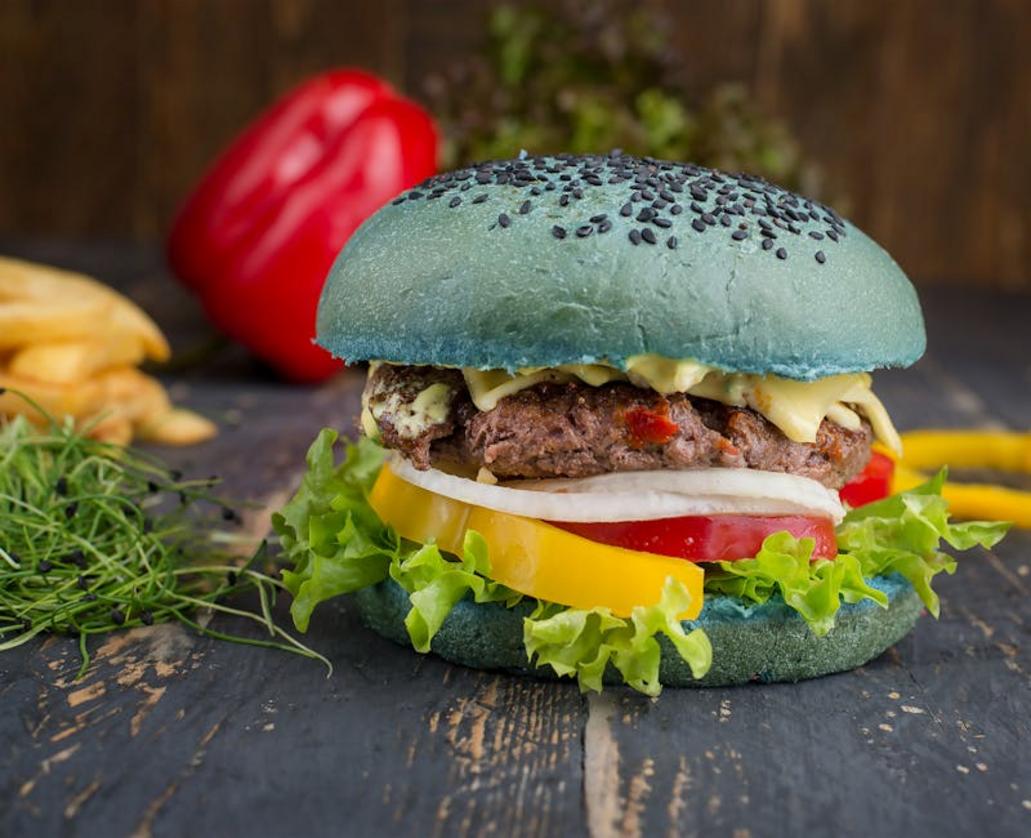
Home cooks are no longer limiting themselves to salt, pepper, and oregano. Instead, they’re building a “global pantry”—a collection of potent, shelf-stable flavor bases sourced from around the world. This shift aligns with broader global food trends showing increased consumer demand for bold, internationally inspired flavors (NielsenIQ, 2023). In other words, your weeknight chicken breast doesn’t have to taste boring.
So what belongs on the shelf?
Ferments
- Miso: A Japanese fermented soybean paste delivering deep umami (the savory “fifth taste”) and salty richness. Miso provides a savory backbone to soups, marinades, and even caramel sauce.
- Kimchi: Korea’s spicy fermented cabbage adds tangy heat and crunch, plus gut-friendly probiotics (Harvard Health, 2022).
Pastes
- Gochujang (Korea): Sweet, spicy, and fermented—ideal for glazing meats or stirring into stews.
- Harissa (North Africa): A chili paste layered with garlic and warm spices; it brings smoky heat to roasted vegetables.
- ’Nduja (Italy): A spreadable, spicy pork salume that melts into sauces for instant depth (think pasta with attitude).
Spices & Powders
- Sumac: Tart and lemony, perfect for brightening salads or grilled meats.
- Za’atar: An earthy herb blend with sesame and thyme, adding crunch and aroma.
Some skeptics argue these ingredients overcomplicate home cooking. Fair—but research shows 60% of consumers want restaurant-quality flavors at home (Mintel, 2023). A single spoonful can transform a dish.
Home Kitchen Hack: Stir harissa into mayonnaise for a quick spicy aioli, or whisk miso into a basic vinaigrette for instant umami lift. Pro tip: Start small—these ingredients are powerful (a little goes a long way).
Trend #4: Retro Reimagined – Comfort Food Gets an Upgrade
Lately, I’ve noticed something interesting: we’re not just eating for taste, we’re eating for memory. In uncertain times especially, nostalgia becomes a coping mechanism (mac and cheese as emotional support is very real). Psychologists call this “comfort seeking,” a tendency to gravitate toward familiar experiences that create a sense of safety (APA). That emotional pull is driving one of the biggest global food trends right now.
However, we’re not satisfied with the cafeteria version anymore. Instead, chefs are elevating the classics. Think duck fat tater tots with crisp edges and a rich finish. Or lobster mac and cheese, where sweet shellfish amplifies the creamy base rather than overpowering it. Even a grilled cheese gets upgraded with artisanal sourdough and aged cheddar.
Here’s my favorite upgrade: brown the butter before adding it to chocolate chip cookies. The nutty depth intensifies the original flavor without changing its soul. Ultimately, that’s the goal—amplify comfort, don’t replace it.
Bring the World to Your Table
The culinary world moves fast—one minute it’s swicy hot honey on fried chicken, the next it’s koji-fermented carrots. We’ve explored four currents shaping global food trends: swicy flavors, plant-forward cooking, the global pantry, and elevated nostalgia. Still, you don’t need to master them all by Friday night.
Instead, start small. Real growth happens when you try one new chili crisp in your stir-fry or swap lentils for ground beef in taco night (your cast-iron skillet won’t mind). Over time, those tweaks compound. So choose the trend that excites you most—and test it in your very next meal.
Stay Ahead of What’s Next in Your Kitchen
You came here to better understand how global food trends are shaping the way we cook, season, and serve our meals. Now you have a clearer picture of the flavors gaining momentum, the techniques redefining home kitchens, and the ingredients inspiring modern plates.
The real challenge isn’t finding inspiration — it’s keeping up with it. Food moves fast. Trends evolve. New flavor combinations appear overnight. If you don’t stay current, your meals can start to feel repetitive and uninspired.
That’s where staying informed makes all the difference. By following emerging global food trends, experimenting with bold flavor profiles, and applying smart kitchen hacks, you turn everyday cooking into something exciting and elevated.
Don’t let your meals fall flat. Join thousands of passionate home cooks who rely on our trusted culinary insights to keep their kitchens creative and ahead of the curve. Explore the latest updates, try one new trend this week, and transform your next dish into something unforgettable.