

If you’re searching for fresh culinary pulse updates, creative gourmet dish breakdowns, or practical cooking tips you can actually use tonight, you’re in the right place. This article is designed to bring you straight to the flavors, techniques, and kitchen insights that matter—without the fluff. Whether you’re exploring bold flavor profiles or looking for smarter home kitchen hacks, you’ll find clear, actionable guidance tailored to real cooking experiences.
From elevated comfort meals to street food inspiration that transforms everyday ingredients into standout dishes, we break down what makes recipes truly work—why certain flavor pairings shine, how techniques affect texture, and where small tweaks create big results. Every insight is grounded in hands-on culinary testing, trend analysis, and a deep understanding of how flavors interact.
By the end, you’ll not only know what to cook—you’ll understand how to cook it better, smarter, and with more confidence in your own kitchen.
Capture the World’s Flavor: Your Guide to Street Food at Home
First, let’s clarify what makes street food unforgettable. It’s not just heat or spice; it’s flavor layering—building taste in stages. In simple terms, that means adding ingredients step by step, so each one deepens the last.
For example, tacos stack charred meat, bright salsa, and cool crema for contrast.
Equally important, texture creates excitement:
- Crunchy toppings
- Tender fillings
- Tangy sauces
However, authenticity doesn’t require rare ingredients. Instead, focus on balance, heat, acid, fat, and salt. Think of this as street food inspiration, a framework for meals.
The Vendor’s Secret: Master One Thing Perfectly
The first source of inspiration is the street vendor’s mindset: specialization. Instead of juggling twenty menu items, they perfect a single dish—the ultimate taco al pastor, the definitive pad thai, the crispiest churro.
This kind of focus creates culinary depth. Specialization means narrowing your effort to one core offering so every detail improves over time. The marinade isn’t just a marinade; it’s layered, balanced, and refined through repetition. The cooking technique becomes muscle memory—small, precise movements that guarantee consistency (and consistency is what separates “pretty good” from unforgettable).
Some argue that home cooks should diversify instead. Cook broadly, they say. Experiment wildly. Variety builds skill. And yes, exposure matters. But mastery builds intuition. When you repeat one dish, you start to understand why browning deepens flavor (the Maillard reaction, according to food science research), or how acid sharpens richness. You stop following instructions and start making decisions.
Home Kitchen Hack: Choose one iconic street food dish for the month. Make it multiple times, tweaking one variable at a time—the acidity in the sauce, the type of cooking fat, the resting time for the dough. Document your results. This singular focus is the fastest path to authentic results. It teaches you the ‘why’ behind the recipe, which is more valuable than the recipe itself.
Pro tip: change only one variable per attempt. Otherwise, you won’t know what actually improved the dish.
Deconstructing Flavor: The Power of a Regional “Base”
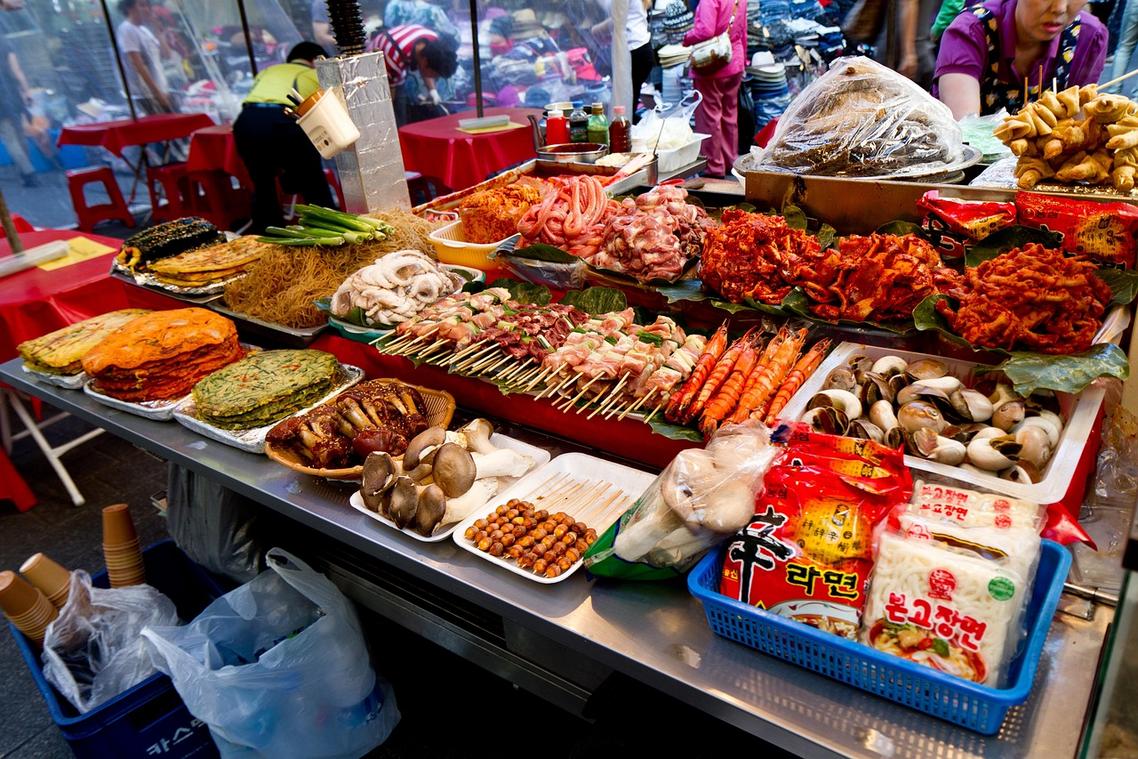
Authenticity doesn’t start with a complicated recipe. It starts with a flavor base—the foundational blend of aromatics, spices, and fats that defines a region’s cuisine. Think of it as the culinary equivalent of a movie soundtrack: subtle on its own, but powerful enough to shape the entire experience.
Build the Base First, Dish Second
Instead of chasing a specific dish, try this practical approach:
- Choose a region.
- Latin America: Sofrito (onion, garlic, peppers cooked slowly in oil).
- Southeast Asia: Lemongrass, galangal, and makrut lime leaves.
- Middle East: Cumin, coriander, cinnamon, garlic, and lemon.
- Sauté gently in oil. Low heat unlocks fat-soluble flavor compounds (Harold McGee, On Food and Cooking).
- Taste and adjust. Add salt early—it amplifies aroma perception (Institute of Food Technologists).
- Repurpose creatively. Stir into rice, blend into marinades, or whisk into soups.
For example, a Middle Eastern base can transform plain ground beef into kebabs bursting with street food inspiration. Or fold Southeast Asian aromatics into coconut milk for a fast noodle broth (weeknight magic, no passport required).
Some argue that pre-made bases dilute authenticity. Fair point. But building your own from scratch—then freezing portions—preserves integrity while saving time.
Gourmet Tip: Freeze finished bases in ice cube trays. One cube = instant depth for sauces, stews, or roasted vegetables.
If you’re exploring global flavors thoughtfully, it pairs naturally with learning about sustainable eating what todays home cooks should know—because flavor and responsibility should travel together.
The Science of Satisfaction: Why Texture is Everything
I still remember biting into a late-night snack that looked ordinary—until it shattered. The outside crackled, the inside melted, and suddenly I understood that texture isn’t a bonus; it’s the point. Flavor gets the spotlight, but texture is the choreography (and yes, it can steal the show).
In food science, texture refers to the physical sensations we perceive—crispness, chewiness, creaminess—when we bite and chew. Researchers note that contrast heightens enjoyment because our brains respond to changing sensory input (Spence, 2015). In simple terms: when your mouth stays interested, so do you.
Seek Inspiration from These Contrasts:
- Crispy & Creamy: A crunchy falafel ball breaking open to a soft, herby interior.
- Chewy & Crunchy: Soft tapioca pearls paired with crunchy peanuts in a dessert.
- Soft & Saucy: A pillowy steamed bao bun filled with a rich, savory sauce.
Some argue taste alone defines a great dish. After all, if it’s seasoned well, who cares about crunch? I used to think that—until I made soup that tasted amazing but felt monotonous. One-note texture makes even bold flavors fade fast.
Pro tip: For ultimate crispiness, use cornstarch or rice flour and try double-frying. For chew, understand gluten development or experiment with tapioca starch. And never skip fresh garnishes—radishes or pickled vegetables add bright crunch.
Texture isn’t extra. It’s the reason we go back for another bite.
The Final 10%: Sauces and Garnishes That Define the Dish
Most people obsess over the protein. I disagree. The final 10%—sauces and garnishes—does the heavy lifting. A sauce is a concentrated flavor vehicle—the difference between flat and unforgettable on the plate tonight. Chimichurri cuts richness with vinegar; tzatziki cools spice with yogurt cultures; peanut sauce layers sweet, salty, umami—savory depth identified by scientists as a primary taste (Ikeda 1908).
However, building a “sauce library” beats chasing complicated recipes. Start with a chili-lime vinaigrette, garlic-herb yogurt, or ginger-scallion oil. Suddenly, leftovers taste intentional.
And garnishes? Not decorative confetti. Toasted sesame seeds release aromatic oils; fried shallots add Maillard crunch; lime wedges finish with acidity. Even street food inspiration proves it (that last squeeze matters).
Pro tip: season sauces sharper; they mellow on contact every time.
You now have a new lens for creating authentic dishes at home. The goal isn’t to copy a recipe blindly, but to understand the core principles of specialization, flavor layering, texture contrast, and decisive finishing touches. Think like a vendor: focus on one standout dish and refine it relentlessly.
Here’s what I recommend:
- Choose one region and study its flavor base.
- Build depth with acids, heat, and aromatics.
- Finish boldly with herbs, crunch, or sauce.
Treat every attempt as practice, not performance. Lean into street food inspiration and experiment fearlessly. Mastery begins with one intentional meal in your kitchen today.
Bring Bold Flavor Into Your Kitchen Today
You came here looking for fresh ideas, deeper flavor insight, and practical ways to elevate your cooking—and now you have them. From understanding flavor profiles to applying smart kitchen hacks, you’re equipped to turn everyday meals into something memorable.
The real frustration isn’t a lack of recipes. It’s serving dishes that feel flat, repetitive, or uninspired. With the right techniques and a little street food inspiration, your home cooking can go from routine to remarkable.
Now it’s time to put this into action. Pick one new flavor combination, try one pro-level technique, and experiment with one bold twist this week. If you want more gourmet breakdowns, real-time culinary trends, and kitchen-tested hacks trusted by passionate home cooks, explore more of our latest updates and start transforming your meals today.