
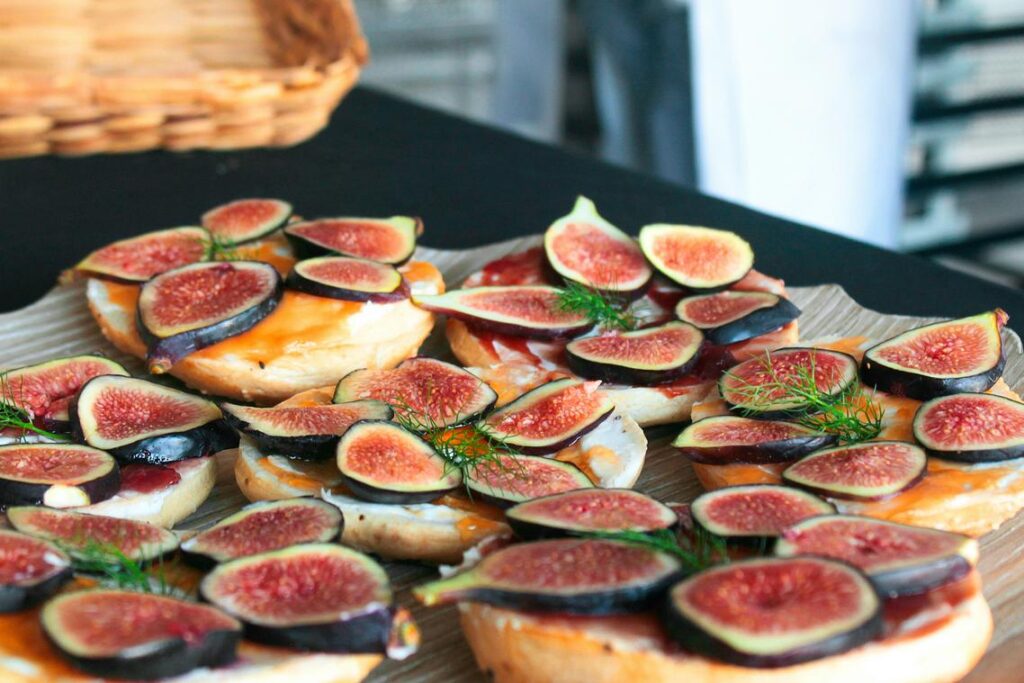
If you’re searching for a clear, practical guide to building a truly authentic mediterranean flavor profile, you’re in the right place. This article breaks down the essential ingredients, signature techniques, and balancing principles that define Mediterranean cooking—so you can recreate those vibrant, sun-soaked flavors in your own kitchen with confidence.
Many home cooks struggle to capture the depth and brightness that make these dishes unforgettable. It’s not just about olive oil and herbs—it’s about understanding how acidity, freshness, texture, and aroma work together. Here, you’ll find a focused breakdown of key components, from foundational pantry staples to flavor-pairing strategies that elevate simple meals into standout dishes.
Our guidance is grounded in culinary research, classic regional traditions, and tested kitchen techniques to ensure accuracy and reliability. By the end, you’ll know exactly how to layer flavors, balance richness with brightness, and bring the essence of the Mediterranean to every plate.
Bringing the Sun-Kissed Taste of the Mediterranean to Your Table
Weeknight pasta with heavy cream versus a bowl of tomatoes, olive oil, and basil: which feels brighter? That contrast defines the mediterranean flavor profile. It favors freshness over fuss. Instead of bottled sauces, reach for lemons, garlic, oregano, and olive oil. Grill fish rather than fry it; toss herbs in at the end, not the beginning. Some argue rich comfort food satisfies more. Fair. But vibrant produce delivers depth without heaviness (and fewer afternoon slumps). Pro tip: salt tomatoes early to unlock juices. Start tonight; table will taste like summer.
The Essential Mediterranean Pantry: Building Your Flavor Foundation
A great kitchen starts with extra virgin olive oil (EVOO). Think of it as your flavor anchor. Finishing oil is high-quality EVOO used raw—drizzled over salads, hummus, or grilled fish for aroma and peppery bite. Cooking oil can be more neutral or slightly lower grade, used for sautéing where heat mutes nuance. “First cold-pressed” means the oil was mechanically extracted without heat, preserving antioxidants and complex flavor compounds (International Olive Council). Quality matters: fresh EVOO should smell grassy or fruity, never musty.
The Acidic Trio
- Lemons
- Red wine vinegar
- Tomatoes
Acidity brightens rich dishes the way a squeeze of lemon lifts buttery pasta (like Ratatouille-level transformation). Fresh lemon juice tastes vibrant because bottled versions often contain preservatives that dull flavor. Red wine vinegar adds sharp depth to marinades. Fresh tomatoes bring sweetness and moisture; sun-dried tomatoes deliver concentrated umami. Together, they define a balanced mediterranean flavor profile.
The Aromatic Backbone
- Garlic
- Onions
- Shallots
Raw garlic is fiery; sautéed, it turns nutty; roasted, it becomes sweet and spreadable. Onions mellow as they cook, while shallots stay delicate and slightly sweet—perfect for vinaigrettes. Quick hack: smash garlic cloves with the flat of a knife to loosen skins instantly.
The Herb Garden
- Oregano
- Rosemary
- Thyme
- Parsley
Dried oregano and thyme hold up in slow-cooked sauces. Fresh parsley finishes dishes with brightness. Store herbs upright in water, loosely covered in the fridge—they’ll last nearly a week (pro tip: change the water every two days).
Pillars of Flavor: How to Think Like a Mediterranean Chef
I’ve always believed great cooking isn’t about complexity—it’s about confidence. Mediterranean chefs understand this instinctively.
Principle 1: Simplicity and Quality
The goal isn’t to juggle 20 ingredients. It’s to spotlight three or four that truly deserve attention. A ripe tomato, peppery olive oil, flaky sea salt, and torn basil can outshine an overworked entrée any day. When ingredients are this good, restraint becomes power (and yes, that means stepping away from the spice rack). Pro tip: spend more on olive oil than on exotic seasonings—you’ll taste the difference.
Principle 2: The Balance of Fat and Acid
Fat carries flavor; acid sharpens it. A drizzle of lemon over grilled fish or a splash of red wine vinegar in a bean salad creates lift. Without acid, dishes feel flat. With it, they sing. Some argue salt alone is enough. I disagree. Acid is the unsung hero of the mediterranean flavor profile.
Principle 3: Layering Textures
Contrast keeps bites interesting. Creamy feta against crunchy cucumber. Silky hummus with toasted pine nuts. Soft roasted eggplant topped with pomegranate seeds.
| Creamy | Crunchy |
|---|---|
| Feta | Cucumber |
| Hummus | Pine nuts |
| Labneh | Radish |
Texture is the difference between “good” and memorable.
Principle 4: The Power of Freshness
Seasonal produce matters. Finish dishes with chopped parsley, dill, or a squeeze of citrus. That last-second brightness? It’s transformative. In my kitchen, freshness isn’t optional—it’s the final applause.
Effortless Techniques for Authentic Results
Mastering the Marinade
An all-purpose Mediterranean marinade doesn’t need a pantry raid. Combine 1/2 cup olive oil, 3 tablespoons lemon juice, 3 minced garlic cloves, and 1 tablespoon dried oregano. That’s it. The oil carries fat-soluble flavors, the acid in lemon juice denatures proteins (breaking them down for tenderness), and salt draws moisture inward through diffusion. This simple formula enhances chicken, fish, or vegetables in as little as 30 minutes. While some argue marinades only flavor the surface, that’s partly true—and exactly the point. Surface flavor plus proper cooking creates layered depth. Think of it as building a mediterranean flavor profile from the outside in.
The Art of Roasting
High-heat roasting—425°F for 20–30 minutes—triggers the Maillard reaction, the chemical browning that creates complex, savory notes (Harold McGee, On Food and Cooking). Bell peppers, zucchini, and eggplant caramelize as water evaporates, concentrating natural sugars. Spread them out; crowding causes steaming (the enemy of crisp edges).
Creating Simple Pan Sauces
After searing meat, remove it and add 1/2 cup white wine or broth to the hot pan. Scrape up the browned bits—fond—and simmer until reduced by half. Whisk in a pat of butter for gloss. It’s the missing step many skip, yet it rivals techniques behind sweet and savory pairings that surprise the palate.
From kitchen to table, these three-ingredient hacks prove less really is more.
Whipped Feta Dip: Feta, Greek yogurt, and olive oil blend into a silky, tangy spread with a mediterranean flavor profile that tastes restaurant-worthy. High-protein yogurt lightens the saltiness, while olive oil adds heart-healthy fats.
Next, Lemony White Bean Salad combines canned cannellini beans, chopped parsley, and lemon vinaigrette for fiber-rich, budget-friendly brightness.
Finally, Garlic-Herb Shrimp pairs shrimp, minced garlic, and fresh dill, sautéed three minutes for lean protein with bold aroma (weeknight hero).
Pro tip: Pat shrimp dry to ensure caramelization and deeper flavor.
That’s dinner, simplified smartly.
You’re ready to cook with confidence. We’ve covered the foundations, but progress happens in the kitchen, not on the page. I learned that the hard way. I once bought fancy spices and attempted complicated dishes, only to end up with bland results because I ignored quality olive oil and proper heat. The lesson? Start simple and start this week. Choose one pantry staple and master one technique. Roast vegetables until caramelized, then finish with bright lemon and herbs to unlock a true mediterranean flavor profile. Pro tip: taste as you go. Boring meals don’t stand a chance. Not your doubts.
As we delve into the vibrant flavor profiles of Mediterranean cuisine, it’s essential to consider how cooking techniques, such as pan-searing or oven-roasting, can elevate these classic recipes to new heights – for more details, check out our Pan-Searing vs. Oven-Roasting: When to Use Each Method.
Bring the Mediterranean to Your Table Tonight
You came here looking to better understand the mediterranean flavor profile and how to bring those vibrant, balanced tastes into your own kitchen. Now you know how fresh herbs, bright citrus, quality olive oil, and bold spices work together to create depth without heaviness.
The real challenge isn’t appreciating these flavors — it’s recreating them consistently at home without feeling overwhelmed or second-guessing your ingredients. With the right combinations and a few smart techniques, you can turn simple pantry staples into dishes that taste fresh, layered, and restaurant-worthy.
Now it’s time to act. Start by choosing one recipe this week and intentionally build around the mediterranean flavor profile — focus on freshness, balance, and quality fats. Taste as you go. Adjust with acid, salt, or herbs until it sings.
If you’re ready to stop making bland meals and start serving bold, crave-worthy dishes, explore more of our expert-tested kitchen guides and flavor breakdowns. Home cooks trust us for practical, no-fluff culinary insights that actually work. Dive in now and transform your next meal into something unforgettable.