

If you’ve been searching for a way to elevate your home cooking with deeper flavor, better texture, and chef-level confidence, you’re in the right place. This article breaks down exactly how to refine your technique, understand flavor balance, and master the essentials behind truly memorable dishes — including the creamy risotto method that transforms a simple pot of rice into something restaurant-worthy.
Many home cooks struggle with inconsistent results: sauces that fall flat, textures that miss the mark, or recipes that feel overly complicated. Here, you’ll find clear, practical guidance rooted in culinary technique, tested kitchen strategies, and real-world cooking experience. We analyze flavor profiles, explain the “why” behind each step, and share actionable tips you can immediately apply.
Whether you’re improving weeknight meals or perfecting a signature dish, this guide will help you cook smarter, season better, and build confidence every time you step into your kitchen.
The Secret to Creamy, Restaurant-Worthy Risotto at Home
Risotto isn’t magic—it’s method. The key is understanding starch release, the process where arborio rice slowly thickens broth into a silky sauce. Skip this, and you get gummy mush (or crunchy centers—no thanks).
Follow this creamy risotto method for reliable results:
- Toast the rice in butter or oil until edges turn translucent.
- Add warm stock one ladle at a time, stirring until absorbed.
- Taste for al dente (tender with a slight bite).
- Finish with cold butter and grated Parmesan for gloss.
Pro tip: Keep stock simmering. Cold liquid shocks the rice and ruins texture.
The Foundation: Non-Negotiable Ingredients for Richness
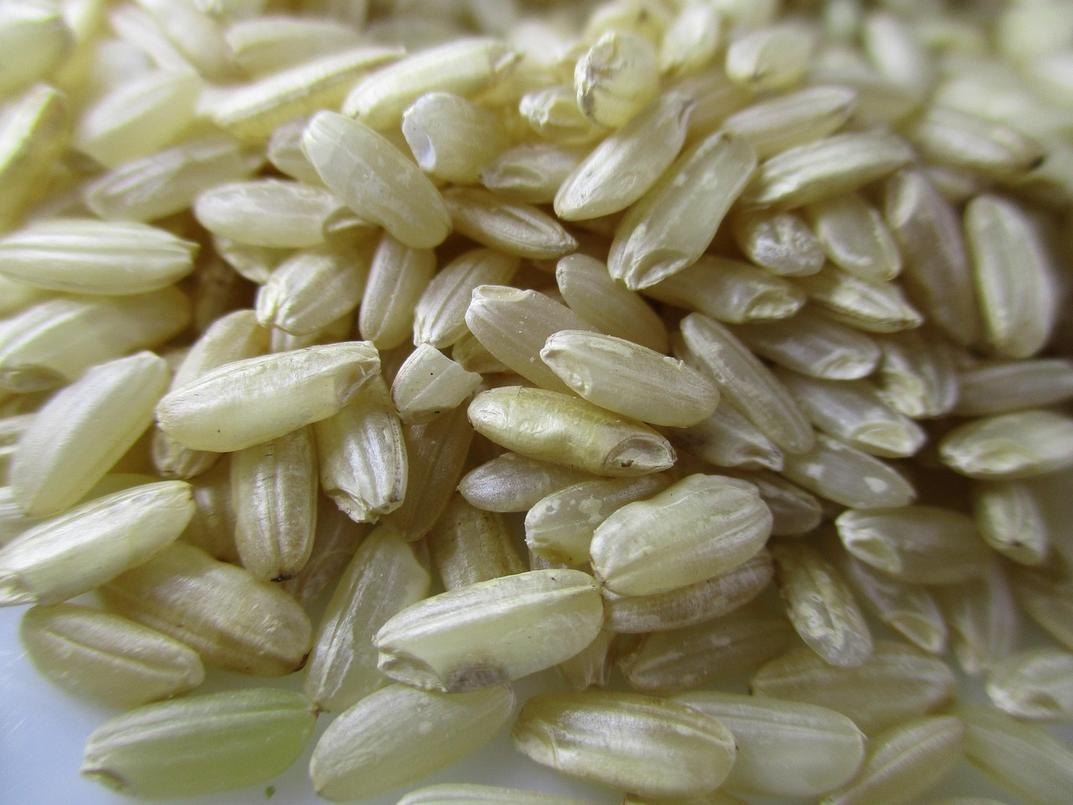
First, rice choice is everything. High-starch, short-grain Italian varieties release amylopectin (a starch that creates creaminess) as they cook. Arborio is widely available and reliably creamy, while Carnaroli—the ‘king’ of risotto rice—holds its shape better. By contrast, long-grain rice like Basmati lacks the starch structure, so it turns fluffy, not luscious (think pilaf, not velvet).
Next, the power of broth cannot be overstated. Quality stock is the primary driver of flavor, so use a high-quality, low-sodium chicken, vegetable, or beef option and keep it at a simmer in a separate pot. Meanwhile, a finely diced shallot or yellow onion forms the soffritto (the aromatic flavor base). Then a splash of dry white wine, such as Pinot Grigio or Sauvignon Blanc, adds acidity that cuts through richness.
Some argue wine is optional; however, without it the dish tastes flat. Looking ahead, I predict more home cooks will embrace the creamy risotto method as ingredient literacy grows (yes, even weeknight cooks). Pro tip: taste your broth before you start for seasoning.
Mastering the Method: A Step-by-Step Guide to Flavor
Great risotto isn’t about luck. It’s about control. While many recipes repeat the same five steps, few explain why each one works—or where most home cooks quietly sabotage flavor.
Let’s fix that.
Step 1: The Soffritto
Gently sweat finely diced shallot or onion in butter or olive oil over medium-low heat until soft and translucent, never browned. Browning triggers the Maillard reaction (a chemical process that creates deep, roasted flavors), which is delicious—but wrong here. You’re building sweetness and aroma, not caramelized intensity.
Competitive edge: Add a tiny pinch of salt early. It draws out moisture faster, softening the aromatics evenly without scorching. (Most recipes forget this.)
Step 2: The ‘Tostatura’ (Toasting the Rice)
Stir the rice constantly for 1–2 minutes until the edges look translucent and smell faintly nutty. This step hardens the grain’s exterior starch layer, regulating how liquid enters.
Think of it like priming a sponge before soaking it. Skip this, and texture becomes unpredictable.
Pro tip: If the rice cracks or browns, the heat’s too high. You want warmth, not color.
Step 3: Deglazing with Wine
Pour in white wine and stir until fully absorbed. The acidity balances the eventual richness and lifts subtle flavors. Alcohol evaporates quickly, leaving brightness behind (contrary to the myth that it makes the dish “boozy”).
Skeptics argue wine is optional. Technically true. But without acid, risotto can taste flat—like mashed rice instead of layered flavor.
Step 4: The Patient Stir
Add simmering broth one ladle at a time, waiting until nearly absorbed before adding more. Stir gently but frequently.
Here’s the science: agitation encourages the rice to release amylopectin (a starch responsible for creaminess). That’s the backbone of the creamy risotto method—no cream required.
What competitors miss:
- The broth must stay hot to maintain consistent starch release.
- Stirring should move the rice, not mash it.
Step 5: Testing for ‘Al Dente’
After 15–20 minutes, taste. Al dente means tender with a slight resistance at the center—not chalky, not mushy.
Risotto should flow slowly when plated, not sit stiffly. (If it stands like mashed potatoes, you’ve gone too far.)
Master this structure, and you’ll control flavor the way precision defines the art of perfect sushi rolls explained. Technique isn’t restrictive—it’s liberating.
The “Mantecatura”: The Final, Crucial Step for Creaminess
Mantecatura is the moment risotto transforms from good to unforgettable. The term refers to vigorously beating fat—butter and cheese—into the rice off the heat to create a silky emulsion (an emulsion is when fat and liquid bind into one smooth mixture instead of separating). Think of it as the grand finale of the creamy risotto method.
Here’s how to execute it perfectly:
- When the rice is al dente and still slightly fluid—gently spreading like lava, not sitting stiff—remove the pot from the heat.
- Add cold, cubed butter and finely grated Parmigiano-Reggiano.
- Stir energetically or shake the pan back and forth to emulsify everything into the starchy cooking liquid.
You’ll see it happen: the risotto turns glossy, cohesive, and luxuriously creamy (like it just put on a satin jacket).
Finally, let it rest for 1–2 minutes off the heat. This brief pause allows flavors to meld and the texture to settle into perfection. Skip the rest, and you risk a loose finish; honor it, and you get restaurant-level silkiness every time.
Troubleshooting Common Risotto Pitfalls
I’ve ruined more risotto than I care to admit. My first batch was crunchy in the center because I cranked the heat, assuming faster was better. It wasn’t. When liquid evaporates too quickly, the rice never reaches al dente. Lower the heat, add more simmering broth, and trust the creamy risotto method.
Then there was the gummy disaster. I stirred like I was auditioning for a cooking show (calm down, Gordon Ramsay). Over-stirring and over-cooking release too much starch. Sadly, you can’t fix gluey rice—only learn restraint.
If it tastes bland, season at the end:
- Use high-quality broth
- Finish with real Parmigiano-Reggiano
- Add a squeeze of lemon for brightness
Lesson learned: patience and seasoning change everything every time.
Your journey to perfect risotto starts now. With Arborio rice’s high starch content and a warm, well-seasoned stock, you’re already building structure and flavor. More importantly, patient stirring coaxes out creaminess—this is the creamy risotto method in action. Then comes mantecatura, the final swirl of butter and Parmigiano-Reggiano that creates a glossy emulsion (yes, it’s kitchen magic). Ultimately, these precise steps transform simple grains into restaurant-level comfort. Trust the process and taste as you go.
To achieve that signature creaminess in risotto, understanding the role of starch release and careful cooking techniques can make all the difference—just as mastering flavor preservation techniques in our guide on freezing and reheating meals can elevate your culinary adventures even further – for more details, check out our Freezing and Reheating Meals Without Losing Flavor.
Mastering the Creamy Risotto at Home
You came here wanting to finally understand how to achieve that perfectly silky, restaurant-quality risotto without guesswork. Now you know the timing, the temperature control, and the small technique shifts that make all the difference—especially when applying the creamy risotto method the right way.
If you’ve ever felt frustrated by risotto turning out gluey, undercooked, or bland, you’re not alone. The biggest pain point home cooks face is inconsistency. But with the right approach and attention to detail, you can create a dish that’s rich, balanced, and beautifully textured every single time.
Don’t stop here. Put this into practice tonight. Explore more gourmet breakdowns, flavor pairings, and kitchen-tested tips designed to elevate your everyday cooking. Join thousands of home cooks who rely on our trusted, top-rated culinary guides to transform simple ingredients into standout meals.
Your next incredible dish starts now—head back to the kitchen and make it happen.