

Take a bite of a generic supermarket sushi roll and you’ll notice the cold, compacted rice, the muted filling, the seaweed that pulls away too easily. Now imagine a transcendent roll crafted by a master: rice still slightly warm and delicately seasoned, fish that melts cleanly on the tongue, nori crisp and fragrant, every element in quiet harmony. Many people love sushi, but few understand what truly separates the ordinary from perfect sushi rolls. In this guide, we’ll demystify the craft—from the chemistry of the rice to the precision of the roll—so you can create better sushi at home and order with confidence when dining out.
Sushi beginners obsess over fish, yet rice is the soul. Shari (seasoned sushi rice) carries flavor, texture, and structure; without it, even toro tastes flat. I learned this the hard way after serving rolls with gummy rice—beautiful on the outside, disappointing within.
First, choose Japanese short-grain rice, ideally Koshihikari. Short-grain means plump kernels with higher amylopectin, the starch that creates gentle stickiness. Long-grain varieties stay separate (great for pilaf, terrible for sushi).
Next, wash the rice. Rinse, swirl, drain—repeat until the water runs mostly clear. At first, I rushed this step and ended up with gluey clumps. Then soak the rinsed rice for 20–30 minutes so moisture reaches the core. Cook with a 1:1.1 rice-to-water ratio, lid on, no peeking. Steam off heat 10 minutes; this finishes hydration without mush.
Meanwhile, make shari-zu: warm rice vinegar with sugar and salt just until dissolved. Balance matters; too sweet and it tastes like candy, too sharp and it bites.
Finally, transfer rice to a wide bowl. Pour the vinegar evenly and “cut” it in using a slicing motion, not stirring. Fan as you fold to cool and gloss. The result? Rice that anchors perfect sushi rolls with quiet confidence every single time.
From Ocean to Plate: Selecting Impeccable Fish and Seafood
As you master the art of perfect sushi rolls, you’ll also find that the techniques and skills outlined in our article “10 Essential Cooking Tips Every Home Chef Should Master” can elevate your culinary creations in countless ways.
When it comes to raw preparations, quality isn’t just about taste—it’s about trust. You’ve probably seen labels like sushi-grade or sashimi-grade. Surprisingly, these aren’t regulated legal terms in many countries (FDA Food Code). Instead, they signal that the fish has been handled and frozen according to parasite-destruction guidelines for raw consumption. In other words, it’s about safety first—flavor second.
So, what’s in it for you? Better texture, cleaner flavor, and the confidence to serve raw fish without second-guessing every bite.
How to Spot True Freshness
First, engage your senses. High-quality fish should have:
- Firm flesh that springs back when pressed
- Vibrant color, never dull or browning
- A clean ocean scent (not “fishy”)
- Clear, bright eyes if purchasing whole fish
If it smells like low tide at noon, walk away.
Next, consider the cut. For tuna, akami is lean and meaty, while toro is richly marbled (think buttery luxury). Salmon should show fine white fat lines; yellowtail (hamachi) offers a delicate, slightly sweet finish ideal for perfect sushi rolls.
Finally—and this is your biggest advantage—build a relationship with a knowledgeable fishmonger. They’ll guide you to peak-season selections and proper handling practices. That relationship alone can elevate every dish you create.
The Essential Supporting Cast: Nori, Wasabi, and Gari
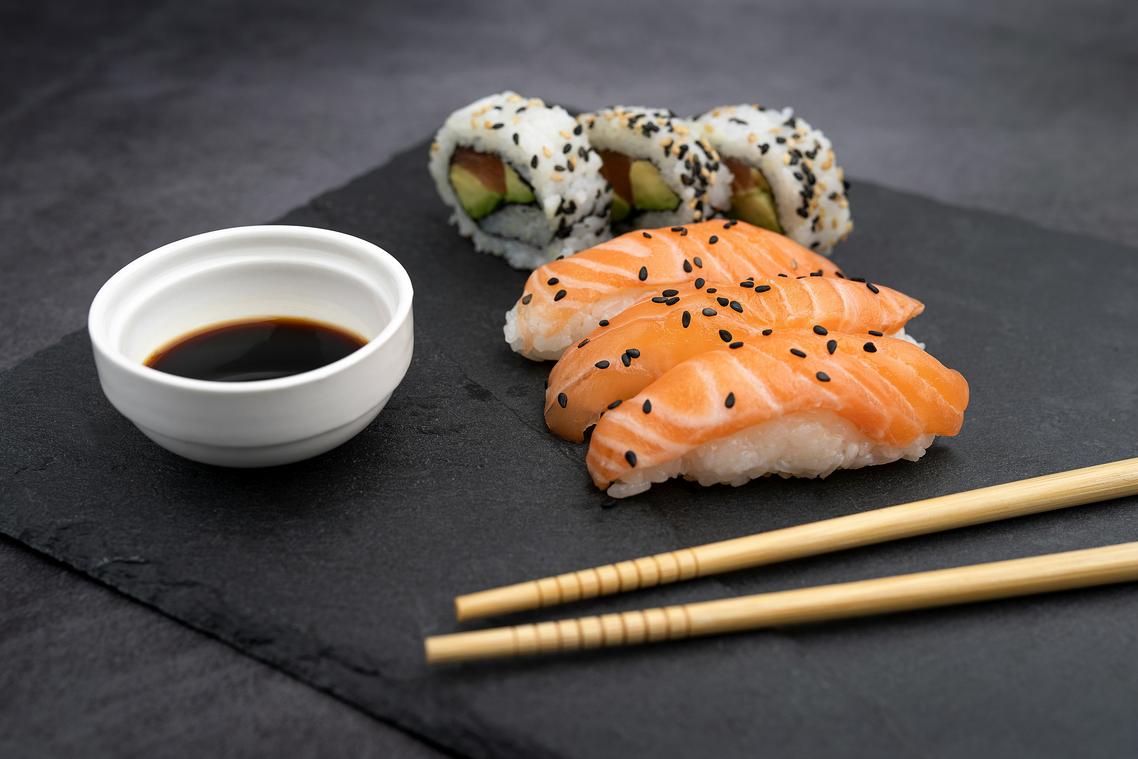
First, consider nori (seaweed). High-quality nori should be deep green—almost black—with a subtle sheen. It snaps cleanly when folded and never feels chewy or limp. That crisp texture isn’t just aesthetic; it keeps perfect sushi rolls structurally sound and adds a toasty, oceanic aroma (think of the satisfying crack of a fresh chip). Lower-grade sheets, by contrast, turn rubbery fast.
Next, wasabi. Real hon-wasabi comes from the Wasabia japonica root and delivers a fresh, fleeting heat that rises quickly and fades cleanly. The common substitute—horseradish mixed with mustard and coloring—hits harsher and lingers. Authentic wasabi enhances fish without overpowering it, which is precisely the point.
Meanwhile, gari (pickled ginger) serves as a palate cleanser between bites of different fish. It’s not a topping; it resets your taste buds.
Finally, use traditionally brewed shoyu sparingly. Dip the fish side lightly—never soak it. For deeper flavor insights, see breaking down the elements of a gourmet tasting plate.
The Craft of Construction: Mastering the Rolling Technique
The first time I tried rolling sushi, it looked less like dinner and more like a structural failure. Rice everywhere. Filling escaping. My confidence? Shaken. What I learned quickly is this: great rolls aren’t luck—they’re engineering.
The Non-Negotiable Tools
You need two essentials:
- Makisu (bamboo rolling mat): Provides structure and even pressure.
- Yanagiba (long, razor-sharp knife): Designed for a single, clean slicing pull.
A dull knife will crush your roll (and your ego). A sharp one glides.
Building the Foundation
Place the nori shiny-side down on the makisu. With tezu—water-dipped fingers to prevent sticking—spread rice evenly, leaving a 1-inch border at the top. That border is your seal. Skip it, and the roll won’t close properly.
Ingredient placement determines the cross-section. Lay fillings in a horizontal line slightly below center. Too high, and the roll topples. Too low, and it flattens. Think balance, not bulk.
The Roll Itself
Lift the mat with your thumbs while holding fillings in place. Tuck once to encase the ingredients, then roll forward while applying firm, even pressure. You’re shaping a compact cylinder—not squeezing toothpaste. The goal is tension without crushing.
The Cut That Defines It
Slice using a single, long pulling motion. No sawing. Wipe the blade clean between each cut. This preserves the structure and reveals those perfect sushi rolls with sharp, defined layers.
It’s meticulous. It’s tactile. And when you nail it, it feels like craftsmanship (because it is).
Elevate Every Bite
At its core, precision sushi rests on three pillars: perfectly seasoned and textured rice, pristine high-quality ingredients, and practiced technique that brings everything together in harmony. The truth is, the gap between average bites and perfect sushi rolls lies in the small details most people overlook—temperature, balance, knife work, even how the rice is handled.
Now you know what to look for. You’re no longer just eating sushi; you’re experiencing it with intention and insight.
On your next sushi night, apply just one principle—seek out real wasabi or try mastering the rice-fanning technique—and taste the difference for yourself.