
If you’re searching for the biggest food trends 2026, you want more than a recycled list of predictions—you want to know what’s actually shaping menus, home kitchens, and grocery shelves right now. This article delivers a clear, curated look at the flavors, techniques, and culinary shifts gaining real momentum, from emerging global influences to smarter home‑cooking innovations.
We’ve analyzed chef insights, menu data, consumer behavior reports, and product launches to separate passing fads from trends with staying power. Whether you’re a passionate home cook, a food enthusiast, or simply curious about what’s next on your plate, you’ll find practical takeaways you can use immediately.
Inside, you’ll discover which ingredients are rising fast, how flavor profiles are evolving, and what cooking methods are redefining everyday meals. If staying ahead of the curve matters to you, this guide to food trends 2026 will give you a confident, well-informed starting point.
The 2026 Menu: A Culinary Forecast for the Modern Kitchen
Food is moving FAST. The upside? You get fresher flavors, smarter ingredients, and meals that WORK harder for your health and budget. Tracking food trends 2026 means fewer wasted groceries and more exciting dinners (no sad desk salads).
Here’s what’s rising—and why it benefits you:
| Trend | What It Means | Your Win |
|---|---|---|
| Climate-smart grains | Millet, sorghum surge |
Cheaper, resilient staples |
| Precision fermentation | Animal-free dairy proteins | High protein, lower impact |
| Functional flavors | Adaptogenic spices | Taste + wellness boost |
THE RESULT: better flavor, better nutrition, better value. Your kitchen stays current—and delicious.
Trend 1: Hyper-Regionalism – Beyond ‘Local’
What it is: Moving past generic “farm-to-table” to embrace ingredients and culinary traditions exclusive to a specific micro-region (e.g., Appalachian pawpaws or Sonoran Desert tepary beans).
In other words, we’re zooming in so far that “local” starts to feel generic (yes, even that cute corner bistro).
Consumption Pattern: Diners and home cooks are actively seeking “terroir”—a French term for how soil, climate, and landscape shape flavor—in everything, not just wine. Consequently, CSAs (Community Supported Agriculture) specializing in heirloom varieties and foraged goods are surging.
Flavor Profile: Expect earthy, mineral-rich, subtly wild notes that haven’t been bred for cross-country shipping.
Looking ahead, here’s the speculation: hyper-regional tasting menus could become the headline act of food trends 2026, with chefs mapping dishes down to a single valley or watershed. Think Portlandia-level devotion to specificity, but with serious technique.
Skeptics argue this is elitist or impractical, noting limited supply and higher costs. Fair. However, smaller supply often means deeper flavor and stronger community ties, which many diners now value as much as convenience.
Home Kitchen Hack: Start a “flavor map” of your area. Visit farmers’ markets and ask for the weirdest vegetable they grow. Then, learn one preservation technique—pickling, fermenting, or drying—to capture peak season intensity.
Pro tip: keep notes; patterns reveal themselves. Your palate will notice quickly.
Trend 2: The Blended Plate – Cultivated Meats & Plant Hybrids
If traditional meat is a classic rock band and plant-based protein is a synth-heavy remix, blended proteins are the chart-topping collaboration. Cultivated meat (real animal cells grown without raising or slaughtering livestock) is stepping onto the main stage, often paired with plant proteins to create hybrid products that deliver on taste, texture, and sustainability.
Think of it like upgrading from black-and-white to full color. Plant proteins provide structure—the scaffolding—while cultivated fats bring the juicy, aromatic finish that makes a burger sizzle instead of sigh.
The Protein-Agnostic Plate
Consumers are becoming “protein-agnostic,” meaning they choose:
- Based on culinary purpose (taco filling vs. steak centerpiece)
- Environmental footprint (cultivated meat can reduce land use by up to 95%, per Oxford studies)
- Mouthfeel—that elusive, craveable texture
Skeptics argue hybrids are over-engineered, that “real food” shouldn’t come from a bioreactor. Fair. But fermentation once sounded strange too—until we called it bread, beer, and yogurt. Innovation often wears a lab coat before it puts on an apron.
Gourmet Dish Breakdown
Picture a blended burger: 70% plant protein for bite, 30% cultivated beef fat for authentic richness. It’s like adding butter to mashed potatoes—suddenly everything makes sense.
Cooking Tip
Many hybrids are leaner than conventional meat. Sear in high-smoke-point oil (grapeseed or avocado), then finish with a moisture-rich sauce. (Pro tip: Resting matters—juices need time to settle.)
Among food trends 2026, this one tastes less like compromise and more like evolution.
Trend 3: Functional Flavors – The Rise of “Mood Food”
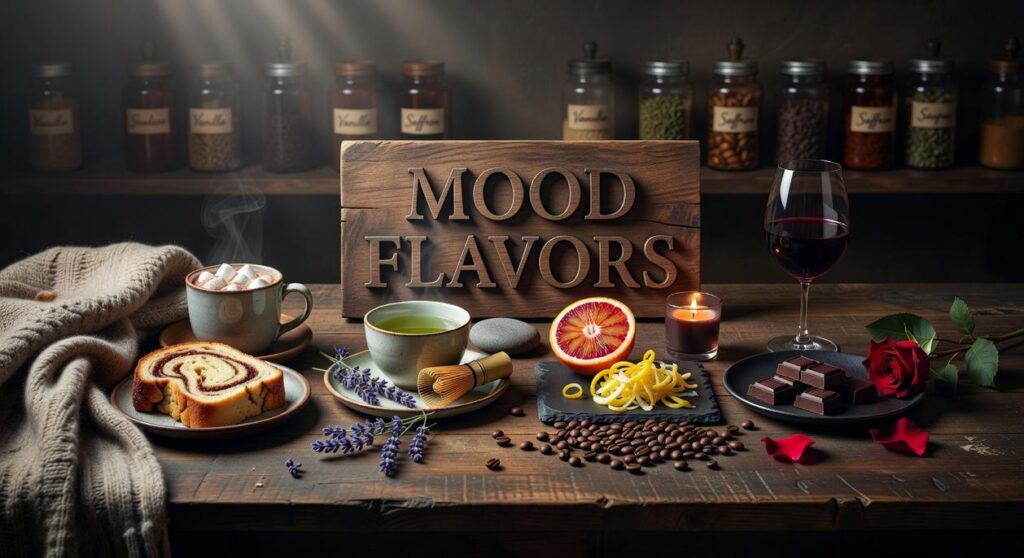
Functional flavors are moving from supplement shelves into saucepans. In simple terms, adaptogens (herbs believed to help the body resist stress), nootropics (compounds linked to cognitive support), and nervines (plants traditionally used to calm the nervous system) are being blended directly into everyday meals.
This isn’t just wellness hype. According to Grand View Research, the global adaptogens market is projected to grow steadily through the decade, reflecting rising consumer demand for stress-support products. Meanwhile, the National Institutes of Health has published studies exploring lion’s mane mushroom’s potential cognitive benefits, fueling its popularity in coffee and broths. That momentum is shaping food trends 2026 in a very real way.
Seasoning blends are evolving fast. Turmeric (studied for its anti-inflammatory compound curcumin), lion’s mane powder, and ashwagandha are replacing basic salt-and-pepper routines. The flavor payoff? Earthy mushroom depth, floral hints from holy basil, and the subtle bitterness of ginseng layered into soups and sauces (yes, your weeknight pasta just got philosophical).
Skeptics argue these ingredients are under-dosed in food to deliver measurable effects. Fair point. But even small amounts can normalize bold, bitter notes in mainstream cooking—similar to how kombucha went from niche to ubiquitous.
Home Kitchen Hack: Blend flaky sea salt with dried mushroom powder, turmeric, and cracked black pepper for a functional finishing salt.
For more on culinary evolution, explore how global street food is influencing fine dining.
Trend 4: The Circular Kitchen – Root-to-Stem Gastronomy
The Circular Kitchen takes “no-waste” from a polite sustainability slogan to a full-fledged culinary philosophy. In simple terms, root-to-stem gastronomy means using every edible part of an ingredient to build layered flavor—roots, leaves, peels, stems, and scraps. It’s less about thrift and more about creativity (though your grocery bill won’t complain).
While many competitors focus on composting tips, they miss the flavor science: carrot tops contain aromatic compounds similar to parsley; onion skins add natural color and tannins to stock (Harvard T.H. Chan School of Public Health notes peels often retain concentrated phytonutrients). That’s not waste—that’s untapped depth.
Consumers are responding. Shoppers increasingly choose whole vegetables—beets with greens attached, carrots with feathery tops—and products made from upcycled byproducts like coffee-flour snacks or vegetable-peel broths. According to ReFED, upcycled foods have seen double-digit growth as brands align with sustainability-driven purchasing.
Consider a gourmet plate: carrot-top pesto brings herbaceous bite, dehydrated peels become a savory dust, and the roasted carrot anchors the dish. Three textures. One vegetable. Zero waste.
Competitive edge: Treat scraps as seasoning, not leftovers.
Cooking Tip: Start a “flavor bag” in your freezer. Save onion skins, celery ends, mushroom stems, herb stalks. When full, simmer into a deeply savory stock—your secret weapon for soups and sauces.
As food trends 2026 evolve, the real innovation isn’t exotic ingredients. It’s reimagining the ones already in your crisper drawer.
Bringing the Future of Food to Your Table
You now have a roadmap to the key dietary shifts shaping food trends 2026, from hyper-regional Sonoran wheat to fermented Gulf Coast shrimp paste showing up on Austin tasting menus. Still, keeping your cooking fresh in a fast-moving world can feel overwhelming. However, if you anchor your kitchen around local farmers’ market hauls, diverse proteins like lupini beans, functional add-ins such as adaptogenic mushrooms, and waste-free techniques like carrot-top pesto, you’ll stay ahead. Think of it as your culinary mise en place for tomorrow (yes, The Bear energy). This week, try one new ingredient. Start small. Flavor follows focus now.
Bring These Flavors Into Your Kitchen Today
You came here to understand where the culinary world is heading and how to stay ahead of the curve. Now you have a clear taste of the ingredients, techniques, and food trends 2026 that are shaping modern kitchens.
The real challenge isn’t knowing what’s trending — it’s figuring out how to confidently bring those flavors into your own home without wasting time, money, or effort. Falling behind on trends can make your meals feel repetitive and uninspired.
Here’s your move: start by choosing one trend from this guide and test it in your next weekly meal plan. Experiment with a new spice blend, try a fermentation shortcut, or upgrade a classic dish with a bold global twist. Small changes create big flavor shifts.
If you want step-by-step breakdowns, practical kitchen hacks, and curated updates that make trending flavors easy to master, explore our latest culinary guides now. We’re trusted by passionate home cooks who want restaurant-level results without the overwhelm.
Don’t let your cooking routine go stale. Dive in, experiment boldly, and turn today’s trends into tomorrow’s signature dishes.