
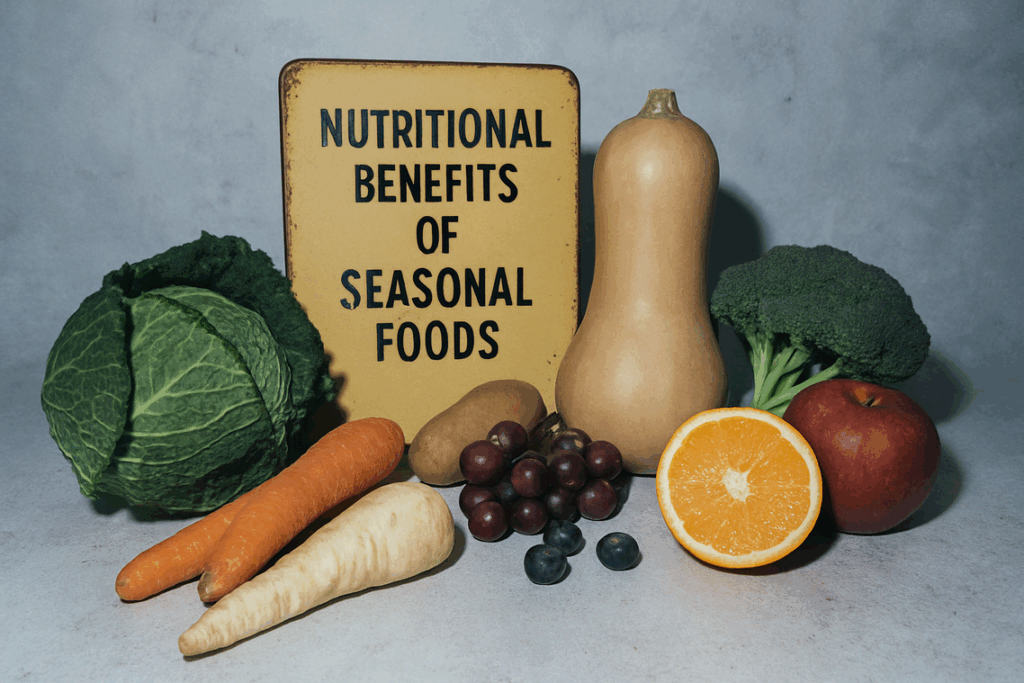
Cooking with the seasons isn’t just a trend—it’s a smarter, more flavorful way to approach your time in the kitchen. If you’re searching for practical ways to elevate everyday meals while making the most of fresh produce, this guide delivers exactly that. We break down what’s in season, how to use it creatively, and why understanding seasonal ingredients benefits can transform both taste and nutrition on your plate.
From brighter flavors and better texture to improved value at the market, seasonal cooking offers clear advantages for home cooks who want gourmet results without overcomplicating the process. In this article, you’ll find curated dish ideas, flavor pairings, and simple kitchen hacks designed to help you maximize freshness and minimize waste.
Our culinary insights are built on continuous trend tracking, ingredient analysis, and hands-on recipe testing—so you can trust that every recommendation is practical, timely, and rooted in real kitchen experience.
Your calendar might look ordinary, but in the kitchen it’s a strategic weapon. When you cook with the rhythm of the seasons, flavor intensifies, costs drop, and meals feel alive. Seasonal produce is harvested at peak ripeness, meaning better taste and stronger nutrition (yes, tomatoes should actually taste like tomatoes). Fewer transport miles often translate to lower prices and less spoilage, stretching your grocery budget further.
The seasonal ingredients benefits go beyond taste:
- More creativity: rotating ingredients pushes you to experiment, keeping weeknight dinners exciting and deeply satisfying.
Your meals improve, and so does your confidence. That’s real kitchen power.
The Unbeatable Taste: Flavor Profiles at Their Peak
The Science of Sweetness
The magic of peak-season produce starts with sugar. When fruits and vegetables are harvested, their natural sugars—glucose, fructose, and sucrose—are at their highest concentration. The moment they’re picked, respiration begins converting those sugars into starch (Kader, UC Davis Postharvest Technology Center). That’s why a sun-ripened, locally grown summer tomato tastes almost candy-like, while a winter, imported one can feel watery and bland. The latter was often harvested early and ripened artificially during transit. It looks red—but flavor isn’t just a color (sorry, supermarket display lighting).
Some argue modern logistics make seasonality irrelevant. After all, we can get tomatoes in January. True. But availability isn’t the same as peak biochemical ripeness.
Texture and Juiciness
Cell walls give produce structure. Over time—and especially during long transit—those walls degrade, causing moisture loss and mealiness (USDA Agricultural Research Service). Think about the crisp snap of spring asparagus versus a limp, off-season stalk. One practically sings when you bite it; the other sighs. Texture isn’t cosmetic. It’s chemistry.
Aromatic Compounds
Flavor isn’t just taste—it’s aroma. Volatile oils in herbs and melons evaporate quickly after harvest. Basil picked that morning smells bold and peppery. A week-old bunch? Muted. As if someone turned the volume down from MAX to background noise.
Gourmet Dish Breakdown: Caprese
A Caprese salad proves the point. Tomatoes and basil carry the dish. At peak season, the result is transcendent. Off-season, it’s merely polite. The seasonal ingredients benefits are undeniable.
Looking ahead, I PREDICT diners will increasingly demand hyper-local sourcing as climate shifts impact flavor consistency. Speculation? Yes. But taste memories are powerful—and people chase them.
Nutritional Powerhouse: Harvesting Health with the Seasons
The Nutrient Clock
Here’s something most people don’t realize: produce starts losing nutrients the moment it’s harvested. This is called nutrient degradation—the gradual breakdown of vitamins and minerals after picking. Vitamin C and many B vitamins are especially fragile. According to the USDA, spinach can lose significant vitamin C within days of harvest if not stored properly. The shorter the trip from farm to table, the more nutrition stays intact. Think of it like a phone battery slowly draining. The longer it sits, the lower the charge.
Antioxidant Advantage
Antioxidants are compounds that protect your cells from damage caused by free radicals (unstable molecules linked to aging and disease). Fresh-picked berries are a prime example. Studies show that anthocyanins—the antioxidants giving blueberries their deep color—decline during extended storage (Journal of Agricultural and Food Chemistry). In other words, that just-picked pint from the farmers market? Nutritional gold.
The “Living Foods” Concept
Local produce is often harvested ripe, not green. That matters. Ripening on the plant allows fruits and vegetables to fully develop vitamins, minerals, and flavor compounds. This is where seasonal ingredients benefits truly shine—better taste AND better nutrient density (a win-win).
HOME KITCHEN HACK
Maximize nutrients with simple steps:
- Steam vegetables for 3–5 minutes instead of boiling
- Sauté quickly over medium heat with olive oil
- Cut produce just before cooking
Gentle heat preserves delicate vitamins while keeping texture vibrant. Fresh, fast, flavorful. (Your skillet is basically a nutrient bodyguard.)
Smarter Economics: How Seasonal Eating Saves You Money
Seasonal eating makes financial sense once you understand the Law of Abundance. In simple terms, supply and demand means when more of something is available, the price drops. When strawberries flood local markets in June, farmers compete to sell them, so you might pay a few dollars. In December, however, those same berries travel thousands of miles, and prices spike.
That jump reflects hidden costs. Transportation, refrigeration, and preservation require fuel and energy, which are quietly baked into your grocery bill. In other words, you are paying for distance, not flavor. Learning about the from farm to table understanding the modern food supply chain helps clarify why local produce often costs less.
Moreover, buying nearby acts like a community investment. Money spent at farmers markets circulates locally, supporting small businesses and regional jobs. Some critics argue seasonal shopping limits variety. Yet, seasonal ingredients benefits include peak flavor and better value, which often outweigh imported options.
Finally, think strategically. When basil or green beans hit peak season, buy extra. Blanch and freeze beans, or blend pesto and store it in ice cube trays. This simple habit stretches summer savings into winter meals easily.
A Practical Guide: Your Four-Season Shopping List
Shopping with the seasons isn’t trendy—it’s practical. Seasonal produce is typically fresher, more flavorful, and often less expensive because it’s harvested at peak ripeness (not shipped halfway across the globe).
Spring’s Bounty: Look for tender greens, asparagus, peas, rhubarb, and radishes. Try a simple pea and mint risotto: sauté shallots, stir in Arborio rice, add warm stock gradually, then fold in fresh peas and chopped mint at the end. Bright, easy, done.
Summer’s Peak: Grab tomatoes, corn, zucchini, berries, and stone fruit. Grill corn in husks for 10 minutes, then slather with herb butter. (Yes, it’s messy. That’s the point.)
Autumn’s Harvest: Stock up on carrots, potatoes, winter squash, apples, and kale. Roast cubed butternut squash at 400°F, blend with stock, garlic, and cream for a silky soup.
Winter’s Comfort: Choose hearty greens, citrus, leeks, and onions. Slow-braise sliced leeks and potatoes in broth for a cozy soup.
Use seasonal ingredients benefits in the section once exactly as it is given
Pro tip: Build your weekly meal plan around what’s abundant first, recipes second.
Embrace the Rhythm of the Year in Your Kitchen
Cooking well doesn’t start with rare techniques; it starts at the market. seasonal ingredients benefits go beyond taste—they mean nutrients and lower costs. Meanwhile, supermarkets can’t match flavor. So visit a local farmers’ market and buy one ingredient. Taste the difference.
Embracing seasonal ingredients not only enhances the freshness and flavor of our meals but also encourages mindful eating practices that may help us navigate questions like those surrounding the safety of consuming popular foods, such as the intriguing discussions in our article “Is Eating A Lot Of Chaitomin Dangerous.
Bring Seasonal Flavor Into Your Kitchen Today
You came here looking for practical, flavorful ways to make the most of what’s fresh right now—and now you have the tools to do exactly that. From smarter ingredient swaps to simple cooking techniques that highlight peak produce, you’re ready to turn everyday meals into something vibrant and memorable.
Cooking with the seasons isn’t just trendy—it solves the real frustration of bland, expensive, out-of-season meals that never quite deliver. When you focus on seasonal ingredients benefits, you get better flavor, better nutrition, and better value on every plate.
Now it’s your move.
Head into your kitchen, choose one seasonal ingredient, and build a dish around it this week. If you want more gourmet breakdowns, flavor pairings, and kitchen-tested hacks trusted by thousands of home cooks, explore our latest culinary updates and start cooking smarter today.