
Ever find yourself stuck in a cooking rut, making the same meals on repeat—or feeling intimidated the moment a recipe looks too complex? You’re not alone. Many home cooks assume gourmet results require rare ingredients or complicated instructions, when the real difference lies elsewhere. This guide is designed to give you a clear, practical framework for leveling up your skills, focusing on technique and understanding over just following recipes. You’ll discover how professional-quality meals come from mastering a few core principles, not memorizing a thousand dishes—and how you can start applying them in your own kitchen today.
It Starts with the Blade and the Flame: Mastering Your Tools
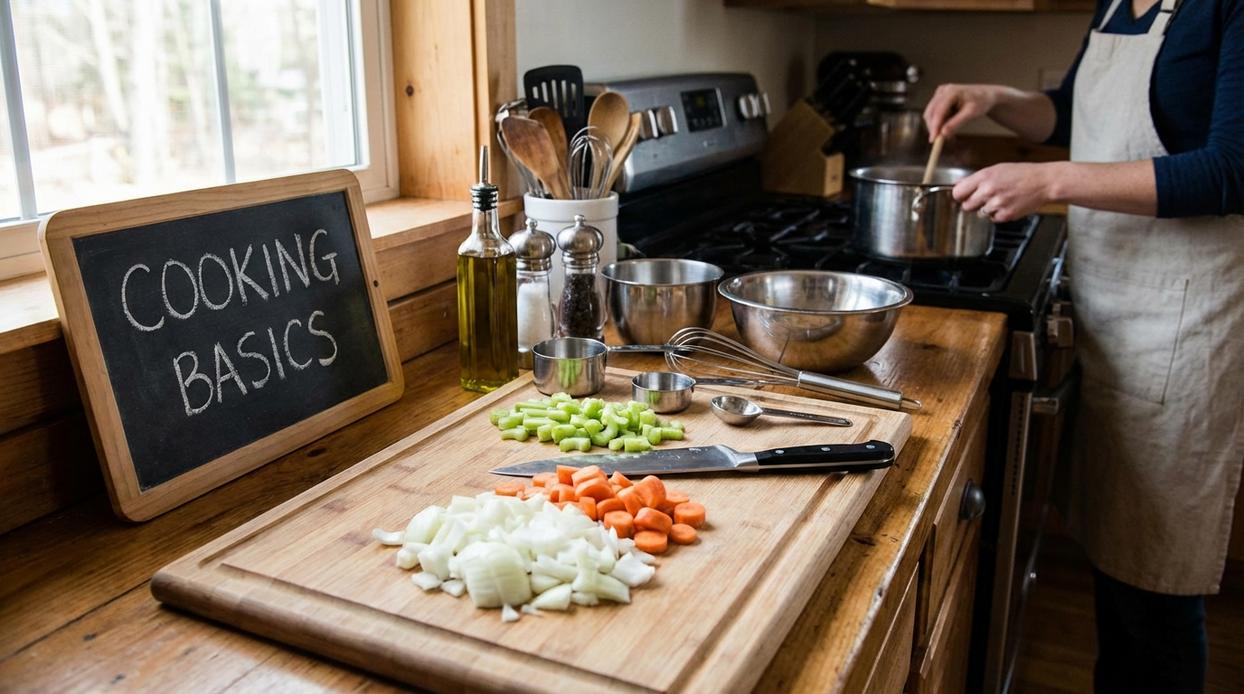
Great cooking begins before the pan even heats up. Knife skills are the cornerstone of speed, safety, and consistency. When your dice (uniform cubes), julienne (thin matchstick strips), and mince (very fine cuts) are even, your food cooks evenly—no more half-raw onions or mushy carrots. The benefit? Better texture, balanced flavor, and a dish that looks restaurant-worthy (yes, people eat with their eyes first).
The real upgrade comes from the pinch grip—holding the blade between your thumb and index finger instead of clutching the handle. It feels awkward at first, but it delivers more control and reduces fatigue. More control means fewer slips and cleaner cuts (your fingertips will thank you).
Then there’s heat management. Direct heat places food over the flame; indirect heat cooks it beside or away from it. A properly heated pan ensures a good sear, efficient sautéing, and less sticking. Too cool? You steam. Too hot? You scorch. Just right? Golden-brown perfection.
Try practicing uniform vegetable cuts in a simple soup or stir-fry to see the immediate impact on even cooking. For more essential cooking tips, explore this helpful guide: kitchen fundamentals. The payoff is confidence, efficiency, and meals that consistently impress.
Think Like a Chef: The Art of Balancing Flavor
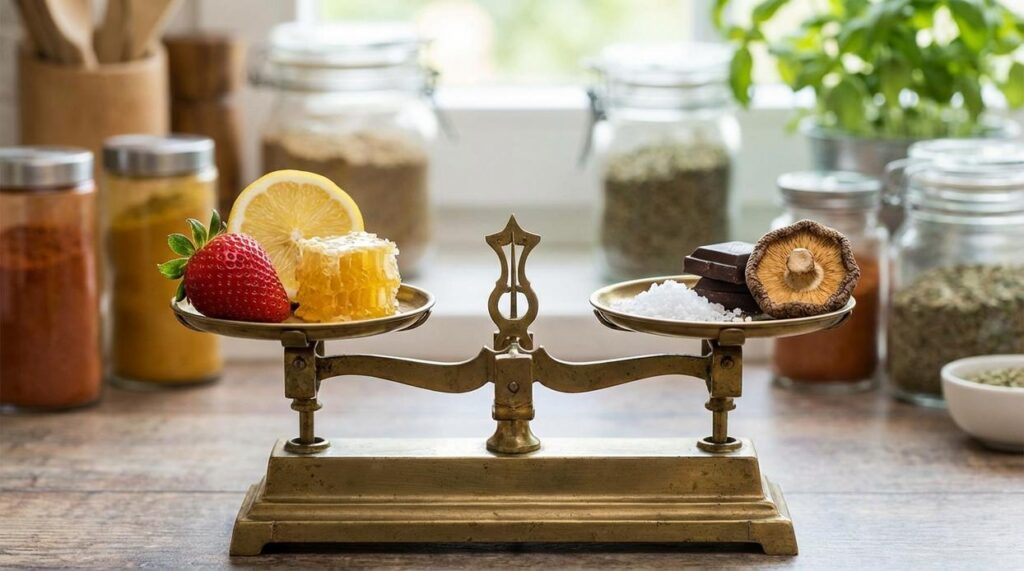
I used to believe great cooking meant adding more salt and hoping for the best. Spoiler: it didn’t. My sauces were flat, my soups forgettable. The turning point came when I understood the five core tastes—salty, sweet, sour, bitter, and umami (a savory, deeply satisfying taste). Once I stopped treating salt as the hero and started thinking in balance, everything changed.
Beyond Salt and Pepper
Flavor isn’t a solo act; it’s a band. Sweet softens heat, sour sharpens richness, bitter adds edge, salty enhances, and umami deepens. Ignore one, and the dish feels incomplete (like a band missing its drummer).
The Flavor Triangle
At the heart of most great dishes is the trio of:
- Fat (butter, oil) for richness
- Acid (lemon, vinegar) for brightness
- Salt for amplification
Early on, I skipped acid. Big mistake. A squeeze of lemon at the end of a stew transformed it from heavy to vibrant. When to Add Acid? Usually at the end—heat dulls brightness, so finish with it.
Building Umami
Umami is that savory depth found in mushrooms, soy sauce, Parmesan, and tomato paste. I once made chili without it—tasted thin. A spoonful of tomato paste fixed everything.
The Golden Rule
Taste as You Go. Season in layers. Adjust gradually. Ask yourself: does it pop, or does it fall flat?
Pro tip: If a dish tastes “off” but not salty enough, try acid first.
Cooking is a series of small corrections. Follow essential cooking tips, but trust your palate most of all.
Why Technique Beats a Recipe Every Time
The Recipe as a Guideline—Not a Law
Recipes are roadmaps, not rulebooks. In professional kitchens—from Brooklyn bistros to Napa test kitchens—chefs rely on technique, not step-by-step instructions. A recipe tells you what to use; technique teaches you how and why. Some argue strict recipes guarantee consistency (and yes, bakeries live by grams and precision). But at the stove, improvisation rules. Once you understand heat control and flavor layering, you can riff like a jazz musician mid-service.
Deep Dive: The Sauté
Sauté (from the French to jump) means cooking quickly in a hot pan with a small amount of fat. The fundamentals:
- Hot pan first (test with a shimmer of oil)
- Add the right amount of fat—just enough to coat
- Don’t overcrowd (steam is the enemy of browning)
- Leave it alone to form a crust
That crust creates fond—the browned bits stuck to the pan. Pro tip: patience builds flavor.
The Magic of Deglazing
Deglazing means adding wine, stock, or even water to lift that fond into a sauce. It’s the backbone of countless dishes and central to essential cooking tips shared in culinary schools. (It’s basically kitchen alchemy.) For more depth, explore how to build flavor in any dish from scratch.
Master this one technique, and suddenly you’re not following recipes—you’re creating them.
Single-use gadgets promise magic: avocado slicers, egg cubers, strawberry hullers. But compare A vs B. Drawer full of plastic one-trick ponies vs one sharp chef’s knife. The knife wins every time. It slices, dices, minces, and (yes) even tackles that stubborn avocado. Quantity feels impressive; quality performs.
The real Holy Trinity looks different than late-night infomercials suggest: a quality chef’s knife, a heavy-bottomed skillet (cast iron or stainless steel), and a large cutting board. Skillet A: thin, flimsy, scorches food. Skillet B: heavy, steady, builds flavor through heat retention. One frustrates; the other elevates.
Some argue gadgets save time. Occasionally true. But most essential cooking tips in the section once exactly as it is given come down to skill, not stuff.
Finally, ingredients beat equipment. Fresh herbs vs dried dust. Good olive oil vs generic filler. Seasonal produce vs out-of-season imposters. Upgrade what goes in the pan, and everything improves.
Your Culinary Journey Starts Now
Your growth in the kitchen begins with three pillars: Mastering your tools (knife and heat), understanding flavor balance, and prioritizing technique over recipes. When you focus on these foundations, you move beyond simply following steps and start truly cooking. The frustration of feeling trapped by recipes fades once you understand the “why” behind each action. That knowledge builds confidence and unlocks real creativity. Now it’s your turn—choose one skill, like a proper sauté or practicing knife cuts, and dedicate one week to improving it. Commit, practice daily, and watch your confidence transform.