If you’ve ever found yourself halfway through a recipe only to realize you’re missing a key ingredient, you’re not alone. Building a reliable foundation of kitchen pantry essentials is the difference between scrambling for substitutions and cooking with confidence. This article is designed to help you stock smarter, cook more efficiently, and elevate everyday meals with ingredients you already have on hand.
We break down the must-have staples, explain why each one matters, and show you how to use them across a variety of dishes—from quick weeknight dinners to gourmet-style creations. You’ll also find practical storage tips, flavor pairings, and simple upgrades that transform basic ingredients into standout meals.
Our culinary insights are grounded in hands-on cooking experience, recipe testing, and a deep understanding of flavor profiles, so you can trust that every recommendation is practical, versatile, and truly worth the shelf space.
Transform Your Kitchen: The Foundation of Effortless Cooking
We all know the frustration of a packed pantry and zero dinner ideas. The issue isn’t quantity; it’s structure. True kitchen pantry essentials aren’t random cans but a deliberate framework that turns staples into strategy.
Competitors list ingredients; we map functions. For example, acids (vinegar, citrus) brighten bland grains, while fats carry flavor compounds scientists call lipophilic. Understand that, and leftovers taste intentional.
Stock by role:
- Builders (grains, legumes)
- Boosters (spices, aromatics)
- Balancers (salt, acid, sweet)
Skeptics say spontaneity dies with systems. Actually, constraints spark creativity (ask Chef contestant).
The Foundation: Grains, Pastas, and Legumes
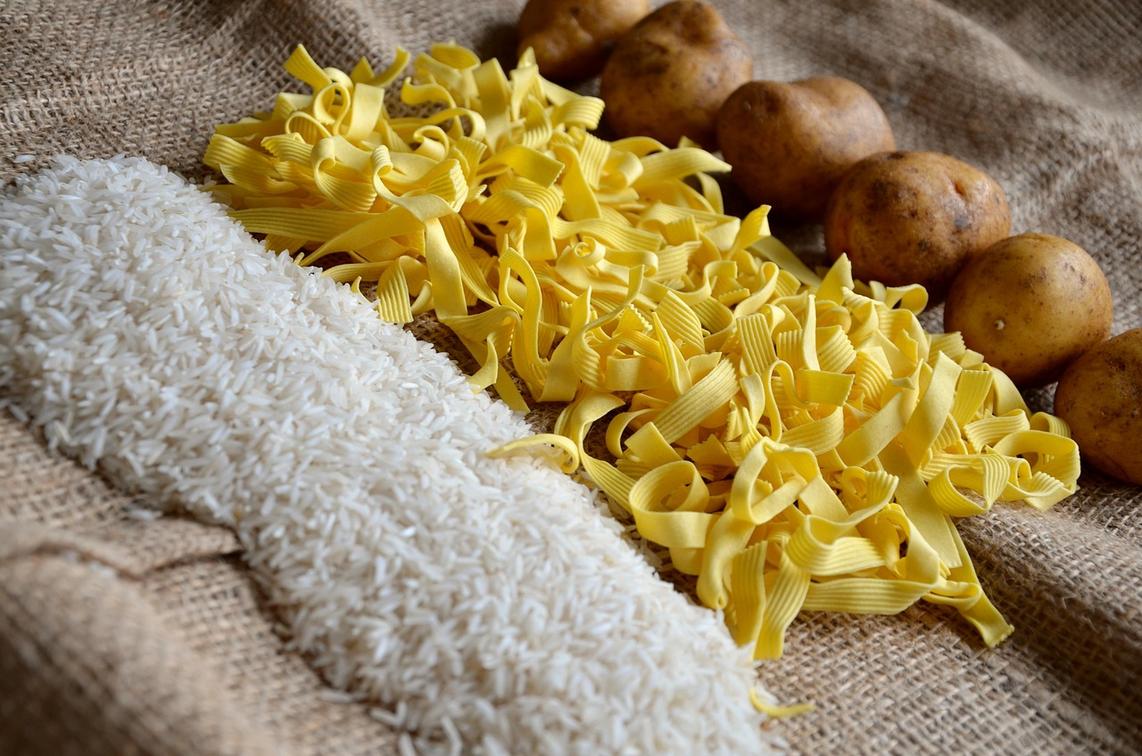
Let’s start with the so-called “boring” foods. Grains, pastas, and legumes rarely get the spotlight, yet they’re the backbone of kitchen pantry essentials. They provide substance (that satisfying fullness), texture, and budget-friendly flexibility. In other words, they’re the quiet overachievers of dinner.
That said, not everyone agrees brown rice or quinoa deserve automatic “health halo” status. Brown rice has more fiber, yes, but it also takes longer to cook—hardly ideal on a weeknight. Quinoa (a protein-rich seed often grouped with grains) is praised for being “complete protein,” containing all nine essential amino acids (Harvard T.H. Chan School of Public Health). Still, it’s pricier and not always more satisfying than classic long-grain white rice, which is endlessly versatile.
Next, pasta. Keep one long shape like spaghetti for silky sauces and one short shape like penne for chunky, hearty blends. Shape matters—those ridges on fusilli actually trap sauce (science you can taste).
And then there are legumes: canned chickpeas for hummus, black beans for tacos, and dry lentils for soups. They’re rich in fiber and plant protein (USDA). Pro tip: store dry grains and legumes in clear, airtight containers so you see what you have before buying more (future you will be grateful).
The Flavor Builders: Oils, Vinegars, and Spices
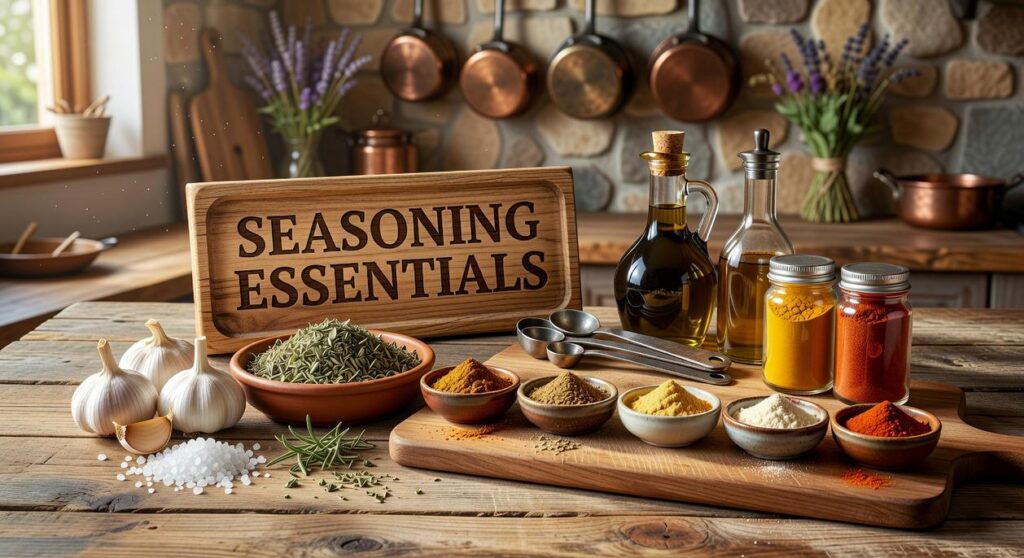
At some point, every home cook realizes this: techniques matter, but flavor wins. Oils, vinegars, and spices are the quiet architects of great meals. They’re the difference between “fine” and “can I get this recipe?” (and yes, that’s the real compliment).
First, oils. Extra-virgin olive oil—meaning oil mechanically pressed without heat or chemicals—is ideal for finishing dishes and whisking into dressings. A neutral oil like canola handles high-heat cooking without smoking up your kitchen. Sesame oil, meanwhile, is a finishing oil; just a drizzle delivers deep, nutty aroma.
Next, vinegars bring acidity—the bright, sharp taste that balances richness. Apple cider vinegar works almost anywhere. Balsamic adds sweetness to glazes. Rice vinegar keeps stir-fries lively. Without acid, food tastes flat (like a Marvel movie without a post-credit scene).
Your core spice rack builds structure:
- Kosher salt and fine sea salt
- Whole black peppercorns (freshly ground)
- Garlic powder and onion powder
- Dried oregano, cumin
- Red pepper flakes, cinnamon
Then come flavor boosters: soy sauce (umami-rich saltiness), Dijon mustard (tang and emulsifier), and honey (natural sweetness). Together, they balance salt, acid, and sweet in seconds.
So what’s next? Start tasting as you cook. Adjust salt first, then acid. Pro tip: if a dish feels dull, a splash of vinegar usually fixes it. Master these kitchen pantry essentials, and every ingredient you buy works harder for you.
The Canned Goods Brigade: Your Shortcut to Quick Meals
Have you ever opened your fridge at 6:47 p.m. and thought, Now what? That’s exactly where canned goods shine. They’re the quiet heroes of your kitchen pantry essentials, standing by when fresh produce wilts or dinner plans fall apart.
First, let’s talk tomatoes. Canned diced tomatoes, crushed tomatoes, and tomato paste are non-negotiable. Why? Because they form the backbone of sauces, soups, and chilis in minutes. (And no, chopping fresh tomatoes after a long day is not a personality test you need to pass.)
Next, consider canned tuna or salmon, packed in oil or water. In seconds, you’ve got the base for sandwiches, salads, or a simple pasta. Protein without the prep—what’s not to love?
Then there’s canned corn and a few cans of chicken or vegetable broth. Together, they create emergency soups and stews that taste intentional, not improvised. Sound familiar?
Some argue canned foods lack freshness. Fair point. However, modern canning preserves nutrients effectively (USDA), and the trade-off in convenience often wins on busy nights.
Pro Tip: Practice “First In, First Out” (FIFO). Place newer cans behind older ones so nothing expires unnoticed.
For even more time saving meal prep strategies for busy weeknights, build your brigade before you need it.
The Long-Haul Heroes: Sweeteners, Leaveners, and Baking
Even if you rarely bake from scratch, sweeteners and leaveners quietly shape everyday cooking. In fact, these kitchen pantry essentials do far more than fuel cookie cravings.
First, let’s clarify terms. A sweetener is any ingredient that adds sweetness, such as granulated sugar, brown sugar, or pure maple syrup. Brown sugar contains molasses (a thick, dark syrup made during sugar refining), which adds moisture and a subtle caramel flavor. That’s why it deepens barbecue sauce or balances spicy chili (yes, really).
Next, all-purpose flour is a moderate-protein wheat flour designed for versatility. Protein affects gluten formation—a network that gives structure to bread and thickens sauces. Consequently, it works for breading chicken or thickening gravy.
Leaveners deserve a quick breakdown:
- Baking soda reacts with acid to create lift.
- Baking powder contains both acid and base—just add liquid.
- Active dry yeast ferments sugars, producing carbon dioxide for airy bread.
Finally, pure vanilla extract enhances flavor depth, even in savory dishes (it’s the quiet hero).
Kitchen hack: Hardened brown sugar? Seal it with bread or a marshmallow overnight to restore softness.
You now have the complete checklist to conquer pantry chaos and build a system that truly serves you.
No more staring at shelves of mismatched items.
Instead, you’ll see possibilities.
By organizing core categories—grains, proteins, canned goods, spices, and sauces—you create reliable kitchen pantry essentials that turn odds and ends into dinner.
Start here:
- Toss expired or stale products.
- Group like items together.
- Note gaps before shopping.
This audit prevents duplicate buys and takeout.
Some argue meal kits are easier.
But a stocked pantry gives flexibility (and saves money over time).
Your future self will thank you.
Elevate Every Meal with the Right Essentials
Now you have a clear understanding of which kitchen pantry essentials truly matter and how they transform everyday cooking into something flavorful, efficient, and stress-free. Instead of staring into your cabinets wondering what’s missing, you can stock with purpose and cook with confidence.
A poorly organized or understocked pantry leads to last-minute grocery runs, bland meals, and wasted time. But when your shelves are filled with the right staples, you unlock creativity, save money, and make every dish more satisfying.
Here’s your next step: take five minutes today to review your pantry and restock the must-haves you’re missing. Start building a foundation that makes every recipe easier and every bite better.
If you want more smart kitchen strategies, flavor breakdowns, and practical cooking hacks trusted by thousands of home cooks, explore our latest guides now and turn your pantry into your greatest cooking advantage.