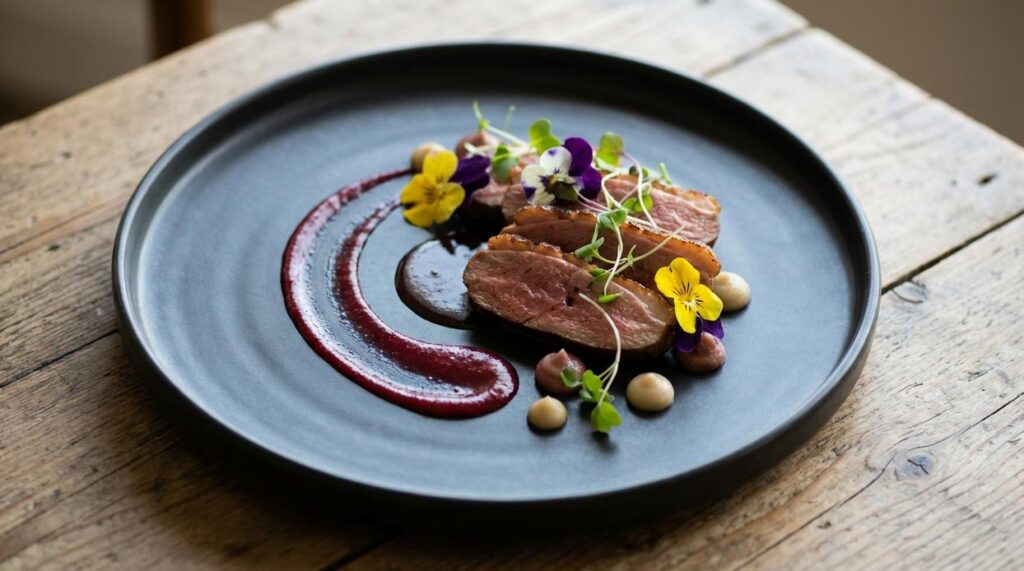
If you’re searching for fresh culinary inspiration, deeper flavor insight, or practical ways to elevate your home cooking, you’re in the right place. This article delivers exactly what passionate home cooks and food enthusiasts crave: timely culinary pulse updates, gourmet dish breakdowns, and actionable kitchen techniques that make a real difference on the plate.
We go beyond surface-level recipes to explore flavor profiles, ingredient pairings, and smart preparation methods that help you understand the “why” behind every great dish. Whether you’re refining a weeknight staple or experimenting with something more elevated, you’ll find clear guidance designed to improve both confidence and results in your kitchen.
Our insights are grounded in hands-on culinary experience, detailed tasting analysis, and a deep understanding of how flavors interact. Every tip and breakdown is crafted to be practical, reliable, and immediately useful—so you can cook smarter, plate better, and enjoy food on a whole new level.
Elevating your palate starts with intention. A perfect tasting plate isn’t about piling on favorites; it’s about balance, contrast, and surprise. When you understand the core structure, every gathering becomes an experience guests remember and savor.
Why does this matter?
Because a thoughtful plate delivers:
- Flavor contrast—salty against sweet, bright against rich—so each bite feels new.
- Textural interplay—crunch, creaminess, chew—for a dynamic mouthfeel.
- Visual harmony that signals care before anyone tastes a thing.
Mastering gourmet tasting plate components transforms routine hosting into curated storytelling. The benefit? Confidence, creativity, and conversations that linger long after the last crumb.
The Core Principle: Mastering the Five Flavors
“Why does this taste flat?” a friend once asked me, staring at a beautifully arranged board. The answer wasn’t presentation. It was balance.
A truly memorable dish—especially when working with gourmet tasting plate components—hits all five flavors. When one is missing, your palate notices (even if you can’t quite name why).
Here’s how to build that balance:
-
Sweet
Sweetness softens sharp edges. Fig jam, honeycomb, candied nuts, or dark chocolate create contrast against salty meats. As chef Thomas Keller notes, “Balance is key in everything” (MasterClass interview). A drizzle of honey can transform an intense blue cheese from overwhelming to harmonious. -
Salty
Salt is the anchor. Prosciutto, brined olives, parmesan, pecorino—these provide structure. Without salt, flavors taste muted (Harold McGee, On Food and Cooking). -
Sour/Acidic
Acid cuts richness. Cornichons, pickled onions, mustard, or green apples slice through fat like a well-timed punchline. -
Bitter
Radicchio, walnuts, dark chocolate, or high-quality olive oil add depth. Bitterness is polarizing—some argue it’s unnecessary—but it’s what makes a plate intriguing rather than predictable. -
Umami
Aged cheeses, mushrooms, roasted tomatoes, anchovy paste. This savory backbone lingers and satisfies.
“Now that,” my friend said after a second bite, “tastes complete.” And that’s the goal: not louder flavors—just smarter balance.
A Symphony of Textures: The Key to a Dynamic Plate
I’ll say it plainly: a plate that’s all soft textures is forgettable. Sure, it might taste fine, but without contrast, each bite blends into the next. Texture—the physical feel of food in your mouth—is what turns eating into an experience rather than just fuel.
To build a plate that feels alive, I rely on four essential contrasts:
- Creamy – This is the velvety, smooth component that coats the palate and rounds out sharper flavors. Think whipped goat cheese or ripe avocado.
- Crunchy – A firm, audible snap that signals freshness and adds structure (toasted nuts are my forever favorite).
- Crisp – Lighter and more refreshing than crunchy, like a just-sliced radish.
- Chewy – Slight resistance that lingers, such as a tender dried apricot.
For reference, here’s the foundational formula I often use:
Creamy: The smooth, luxurious element. Use soft cheeses like brie or goat cheese, a rich dip like hummus, or avocado.
Crunchy: Provides a satisfying snap. Add toasted nuts (almonds, pistachios), crispy chickpeas, or seed-heavy crackers.
Crisp: A lighter, fresher crunch. Include sliced radishes, fresh apple or pear slices, or cucumber.
Chewy: Offers a lingering, pleasant mouthfeel. Use dried fruits like apricots or dates, or artisanal cured meats.
Of course, some argue flavor matters more than texture. I disagree. Flavor gets attention first—but texture keeps you coming back for another bite.
Visual Harmony: Plating for Maximum Appeal
We eat with our eyes first. Before aroma or flavor registers, the brain scans for color, contrast, and composition (a survival instinct tied to freshness perception, according to research in Appetite Journal, 2014). In other words, presentation isn’t vanity—it’s strategy.
A vs. B: Flat Plate or Dynamic Canvas?
Plate A: Everything spread evenly, beige-on-beige, no focal point.
Plate B: Thoughtful clusters, vibrant accents, varying heights.
Naturally, Plate B wins. Why? Contrast creates curiosity.
Color Contrast Matters
Instead of leaning on neutral tones, introduce pops of color:
- Deep red grapes against pale brie
- Fresh rosemary and thyme for green vibrancy
- Bright vegetable sticks beside creamy dips
Not only does this look better, but studies from Cornell’s Food and Brand Lab show that colorful plates can increase perceived flavor intensity.
Creating Flow and Height
Next, avoid a flat layout. Arrange crackers in a gentle “S” curve. Stack cheeses slightly. Use small bowls to elevate olives or nuts. Height adds drama (think skyline, not parking lot).
Even with gourmet tasting plate components, grouping is key. Apply the Rule of Odds—arrange items in threes or fives for a naturally pleasing effect.
For more on refinement techniques, explore how classic french sauces elevate fine dining dishes.
Ultimately, plating isn’t decoration—it’s persuasion.
The Supporting Cast: Vehicles and Vessels
Think of the base—cracker, bread, or chip—as the delivery system. In simple terms, it’s the edible platform that carries everything else. If it’s too bold, it competes. If it’s too bland, it disappears. The goal is balance (not a flavor traffic jam).
Choosing the right base means matching intensity, texture, and salt level. A sturdy water cracker or plain crostini is considered a neutral option—meaning it adds crunch without adding dominant flavor. These are ideal when you’re serving assertive cheeses or cured meats that deserve center stage.
Flavorful pairings, on the other hand, are intentional contrasts. A rosemary cracker with mild goat cheese works because the herb note adds aroma without overwhelming. Seeded crackers with sharp cheddar highlight nuttiness already present in the cheese.
For gluten-free guests, clarify expectations early and offer rice crackers, cucumber slices, or endive leaves. These swaps keep your gourmet tasting plate components cohesive and inclusive.
An unforgettable tasting experience isn’t about luxury ingredients; it’s about balance. When you combine contrast and harmony on one plate, every bite feels intentional (and guests notice).
Start with the foundation:
- Flavor balance: Include sweet, salty, sour, creamy, and crunchy
- Texture variety: Pair soft cheeses with toasted nuts or crisp crostini
- Visual appeal: Use color contrast—berries against brie, olives beside golden crackers
If a plate tastes flat, add acid. Too sharp? Add fat. That simple adjustment fixes most issues.
Build slowly, taste as you go, and refine. Your next gathering won’t serve food—it will create a moment.
Elevate Every Bite From Your Kitchen
You came here looking to better understand flavor balance, plating strategy, and how to bring restaurant-level creativity into your own space. Now you know how thoughtful combinations, smart techniques, and carefully chosen gourmet tasting plate components can transform an ordinary meal into an unforgettable experience.
The real frustration isn’t a lack of effort — it’s serving dishes that feel flat, repetitive, or underwhelming. With the right flavor pairings, texture contrasts, and presentation hacks, that problem disappears. Your kitchen becomes a place of confidence, not guesswork.
Now it’s time to put this into action. Choose one new flavor profile, experiment with layered textures, and build your own gourmet tasting plate components this week. Thousands of passionate home cooks already rely on these proven techniques to elevate everyday meals.
Don’t settle for average plates. Start crafting bold, balanced dishes tonight and turn every meal into a gourmet experience worth savoring.