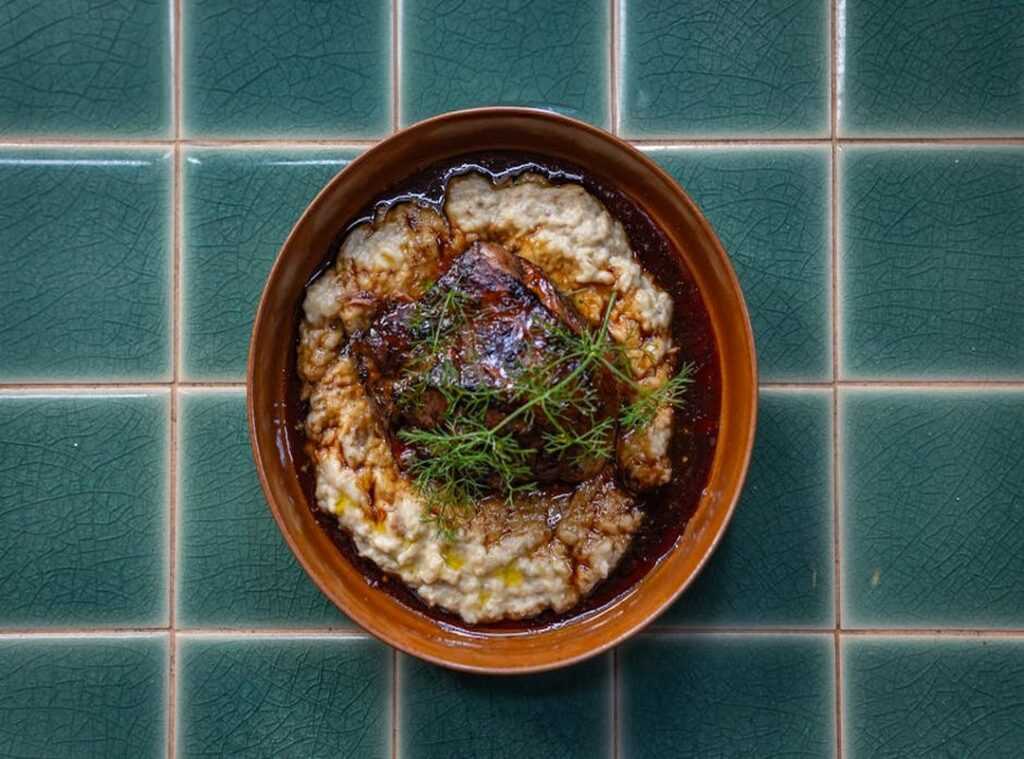
Picture this: you’re scanning a menu and spot coq au vin. Your mouth waters, wishing you could capture that rich, deep flavor at home. But when you try, those quick online recipes just don’t cut it.
They miss the soul, the tradition. I get it. I’ve spent years perfecting the classic coq au vin.
This isn’t another shortcut-filled guide. We’re diving into the heart of French cooking. With each step, I’ll explain why it matters.
Trust me, you won’t be left wondering if it’ll turn out right.
You’ll learn to embrace the slow-braised techniques that define true comfort food. Ready to finally master this dish? You’re in the right place.
By the end, you’ll have the knowledge (and confidence) to make it perfect every time.
Why Ingredients Matter in Classic Coq au Vin
A traditional result starts with traditional ingredients. It’s simple: skip the shortcuts, or you’re asking for a disappointing dish. When we’re talking about classic coq au vin, the wine isn’t just a liquid you toss in.
It’s the marinade and main flavor of the sauce. I always reach for a dry, full-bodied red like Burgundy (Pinot Noir). But hey, I get it.
Sometimes you’ve got a Merlot or Chianti on hand. No problem. Just remember the golden rule: if you wouldn’t drink it, don’t cook with it.
Now, let’s talk chicken. Bone-in, skin-on thighs and legs are non-negotiable. Why?
They stand up to the long braise, becoming tender while the bone and skin add immense flavor and collagen to the sauce. Boneless, skinless breasts? Forget it.
They turn dry and stringy. Trust me, your taste buds will thank you for sticking to the right cuts.
And don’t even get me started on the flavor base! Thick-cut bacon (lardons) is important. It renders fat and adds a smoky depth you can’t replicate.
Aromatics like pearl onions, cremini mushrooms, and a bouquet garni (parsley, thyme, bay leaf) are classic. No shortcuts here if you want that authentic flavor. Want to explore more classic dishes?
Check out creating flawless ratatouille. You’ll see how ingredients truly make or break a dish.
Building Flavor: Important Steps to a Classic Coq au Vin
Crafting the perfect classic coq au vin starts with building flavor. It’s what makes this dish unforgettable. So, First, render the lardons.
What are lardons, you ask? They’re just fancy bacon strips. You cook them slowly until crisp.
This isn’t just about crispy bacon (though that’s a bonus). It’s about creating that flavorful fat. This fat will carry us through the next steps.
Now, onto the chicken. The perfect sear is non-negotiable. I mean, who doesn’t love a golden-brown crust?
But here’s the catch: don’t overcrowd the pan. Work in batches. This isn’t about cooking the chicken through.
It’s about layering flavors with the Maillard reaction (science) at work in your pan.
Next, we sauté the vegetables. Mirepoix is your friend here (that’s carrots, celery, and onion). Toss them into the bacon fat.
They soak up all that flavor, and you won’t believe the aroma.
Now, deglaze the pan with a splash of brandy or cognac. This step is key. Ever heard of fond?
It’s those browned bits stuck to your pan. Scraping them up is non-negotiable. It’s where concentrated flavor lives.
For more on each step, check out this detailed guide. It’s the key to mastering this dish.
These first steps are the foundation. Skip them, and you miss out on what makes coq au vin a masterpiece. Trust me, you want all these flavors in your dish.
Coq au Vin: A Timeless Classic with a Twist
to the world of classic coq au vin, a dish that feels like a warm hug on a cold day. This isn’t just food. It’s an experience.
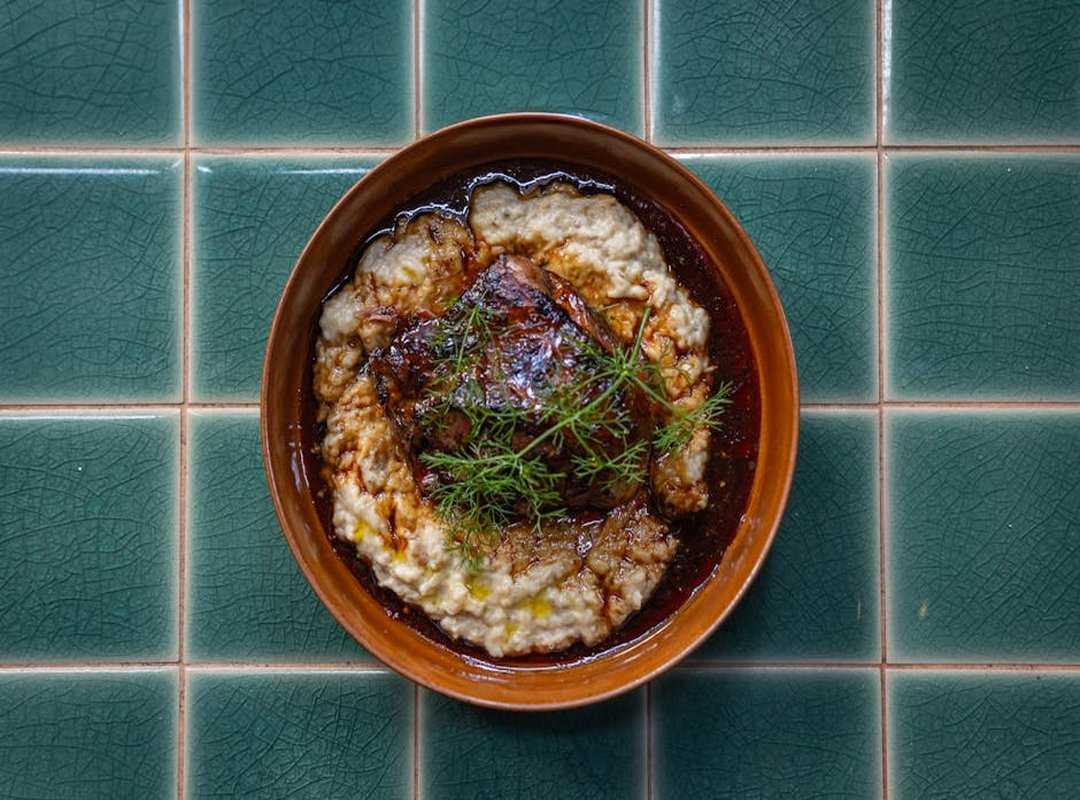
I mean, who wouldn’t want to recreate a piece of French history in their kitchen? Now, let’s get to the steps that make this dish unforgettable.
1. Marinate Overnight (The Old-World Secret): Start with a large bowl or a resealable bag. Combine your seared chicken, sautéed veggies, bouquet garni, and a full bottle of red wine. Yup, the entire bottle. This is where the magic begins. The overnight marination isn’t just a step, it’s the heart of tradition (and what makes this dish stand out). It tenderizes the meat and soaks it with deep flavors. Trust me, skipping this step would be a mistake.
2. The Slow Braise: It’s the next day, and the anticipation is real. Strain the chicken and veggies from the wine, but don’t toss that liquid gold away. Pat the chicken dry. Now, into the Dutch oven they go, with the wine marinade and some chicken stock. Bring it to a simmer. This slow braise is where the magic happens.
3. Oven Time: Cover the pot and let it bask in a low-heat oven at 325°F. It’ll stay there for about 1.5 to 2 hours. This isn’t just cooking; it’s an art form. The gentle heat ensures the chicken becomes fall-off-the-bone tender. Patience is key here. You can’t rush perfection.
4. Finishing the Garnish & Sauce: While the chicken does its thing, sear the mushrooms and pearl onions in butter until they’re perfectly browned. When the chicken is done, remove it and focus on the sauce. Enter the ‘beurre manié’ (a paste of butter and flour). Whisk it in until the sauce is silky. Add the mushrooms and onions back. This is where everything comes together in harmony.
Cooking isn’t just about following steps. It’s about embracing tradition and making it your own. Speaking of culinary masterpieces, if you love French classics, you might want to check out this masterclass bouillabaisse perfection for another deep dive into flavor.
Pro tip: Use a good quality wine. You don’t have to break the bank, but don’t go for the cheapest bottle either. Your taste buds will thank you.
Troubleshooting Coq au Vin: Fixes and Tips
Cooking classic coq au vin might feel like a culinary triumph or a kitchen nightmare. Trust me, I’ve been there.
Problem: My sauce is too thin. It happens. Don’t panic. Just simmer it gently on the stove. This reduction thickens and concentrates the flavors. Avoid using a cornstarch slurry unless you want a different texture. A beurre manié (that fancy French flour-butter paste) adds a classic, glossy finish.
Problem: The wine flavor is too harsh. The culprit? Not enough time. The alcohol needs to cook down and meld with the dish. That’s why a slow braise is your best friend. Patience is key here.
Pro-Tip #1: Make it Ahead. Yes, making coq au vin a day in advance is genius. Letting it rest overnight allows flavors to deepen and become more complex. It’s not just cooking, it’s alchemy. Plus, it’s stress-free for entertaining.
Pro-Tip #2: What to Serve It With. Pair it with creamy mashed potatoes, egg noodles, or a rustic baguette. These absorb the sauce like a sponge. Your guests will love it. And you’ll look like a pro.
Cooking isn’t just about following recipes. It’s about understanding what can go wrong and how to fix it.
Taste the Tradition
You did it. By following these steps, you’ve nailed a classic coq au vin. It’s no small feat tackling a French recipe with such a storied history.
But you took on the challenge and won. This method works because patience and quality ingredients create flavors that shortcuts can’t. You’ve unlocked the secret to a dish that fills your home with the rich aromas of Burgundy.
Now, don’t just let this recipe gather dust. Plan a weekend. Grab a great bottle of Pinot Noir.
Make a meal that transforms your kitchen into a French haven. You deserve it.