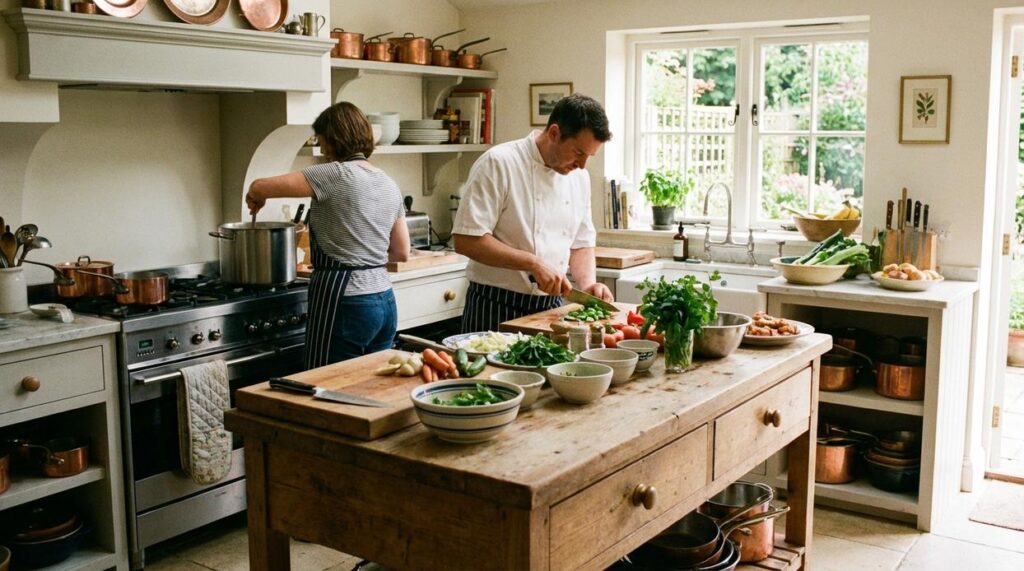
You follow the recipe step by step, measure carefully, and still something tastes just a little… off. It’s frustrating when your dish falls short of that restaurant-quality finish. Often, the culprit isn’t the recipe—it’s overcrowding the pan, under-seasoning, or overcooking without realizing it. These common, often unnoticed, errors create an invisible wall between good and truly gourmet results. This guide distills years of hands-on culinary insight into simple, practical fixes you can apply immediately. You’ll discover not just what these mistakes are, but why they happen—and how to correct them to elevate your cooking tonight.
The Heat is On: Mastering Temperature Control
Great cooking often comes down to one thing: heat control. Get it right and you achieve golden crusts and silky sauces. Get it wrong and dinner tastes like regret (we’ve all been there).
Error 1: Not Preheating the Pan Properly
Cold pan vs. hot pan is the difference between pale and powerful. A properly heated surface triggers the Maillard reaction—the chemical process that browns food and builds deep flavor. Without it, food sticks and turns rubbery. Test your pan with a drop of water; if it sizzles and evaporates instantly, you’re ready. If it just sits there, you’re not.
Error 2: Overcrowding the Pan
Space vs. squeeze: when food pieces touch, moisture gets trapped and you steam instead of sear. The result? Grey, soggy disappointment. Cook in batches, leaving room between each piece so heat circulates evenly.
Error 3: Using the Wrong Heat Level
Low vs. high isn’t interchangeable. Low heat protects dairy and eggs from curdling. Medium suits sautéing vegetables. High is for a steak that needs a ripping sear.
- Low: sauces, eggs
- Medium: vegetables
- High: steaks
Avoid these common cooking mistakes and your kitchen confidence rises fast.
Beyond Salt & Pepper: The Art of Seasoning
Let’s talk about the quiet hero of every great dish: seasoning. One of the most common cooking mistakes is under-seasoning. Salt isn’t just for “saltiness”; it’s a flavor enhancer that amplifies sweetness, deepens umami (that savory, mouth-filling richness), and balances bitterness. Think of it like turning up the contrast on a photo—suddenly everything pops. So yes, season more than you think, especially in big pots of soup or pasta water (pro tip: it should taste like the sea).
Then there’s seasoning only at the end. Flavor doesn’t magically infuse in the final seconds. Layering—adding a pinch of salt to aromatics like onions and garlic early on—builds complexity, much like a perfectly produced track that stacks instruments over time.
Finally, don’t forget acid. A squeeze of lemon or splash of vinegar can brighten a heavy dish faster than a makeover montage in a 2000s rom-com. When in doubt, add brightness and taste again.
Your Most Important Tool: Prep, Knives, and “Mise en Place”
I used to think fancy ingredients mattered more than fundamentals. I was wrong.
Error 1: Using a Dull Knife. A dull blade feels safer, but it’s actually more dangerous. Because it doesn’t grip the food, it slips (usually toward your fingers) and crushes delicate ingredients instead of slicing cleanly. According to culinary safety experts, sharp knives require less force and reduce accidents (National Safety Council). Now, I hone my knife regularly and get it professionally sharpened a few times a year. The difference is night and day.
Error 2: Inconsistent Cuts. Uneven vegetables cook unevenly—some mushy, some raw. I learned this the hard way with a tragic stir-fry. Focus on uniform size so everything finishes together.
Error 3: Ignoring “Mise en Place.” This French term means “everything in its place.” When you scramble mid-cook, food burns. Prep first. Then cook.
If you want to avoid common cooking mistakes in the section once exactly as it is given, start with these 10 essential cooking tips every home chef should master: https://ttbskitchen.com/10-essential-cooking-tips-every-home-chef-should-master/
The Power of the Pause: Why You Must Rest Your Meat
Few kitchen heartbreaks sting more than spending good money on a beautiful steak—only to ruin it by slicing too soon. The Error: Slicing into meat immediately after cooking. When meat is hot, its muscle fibers (the tiny strands that make up the structure of the meat) are tight and tense. Cut into it right away, and those fibers expel their juices onto the cutting board instead of keeping them inside where they belong.
The Result: A dry piece of meat and a puddle of flavor on the cutting board. Infuriating, right? All that effort, gone in seconds.
The Solution is simple:
- Rest meat 5–10 minutes per inch of thickness
- Tent loosely with foil to retain warmth
This pause lets juices redistribute evenly, delivering tender, flavorful bites. (Yes, patience is the secret ingredient.) Pro tip: thinner cuts need less time—don’t over-rest, or they’ll cool too much.
Taste, Trust, and Tweak: Moving Beyond the Recipe
Here’s a contrarian take: recipes are overrated. Not useless—but overrated. The real mistake is The Error: Following a recipe blindly without tasting along the way. Ingredients aren’t identical clones. One carrot is candy-sweet, another earthy and dull. Broth brands vary wildly in sodium (some contain over 800 mg per cup, per USDA data). So, naturally, if you don’t taste, you gamble.
The Problem follows quickly. You serve a dish that’s flat, harshly salty, or oddly sweet. And then you blame the recipe. But the recipe isn’t a commandment; it’s more like a movie script—improv is expected (yes, even Gordon Ramsay tastes constantly).
So instead, build the habit: taste, adjust, repeat. After adding stock. After simmering. Before serving. Use a clean spoon every time. Adjust salt, acid, or sweetness gradually.
Pro tip: add acid last—it brightens flavors without overpowering them.
Use common cooking mistakes in the section once exactly as it is given.
Your New Culinary Confidence
Small, overlooked habits are what hold back great cooking. Not a lack of talent. Not fancy equipment. Just the quiet missteps—rushing heat, under-seasoning, skipping prep, or losing patience—that keep meals from reaching their full potential.
Now you know better. By mastering heat control, seasoning with confidence, prepping properly, and giving your food the time it needs, you can transform everyday dishes into something memorable. You’re no longer just following instructions—you understand what’s happening in the pan and why it matters.
Tonight, pick one tip and apply it with intention. One small shift can change everything on your plate.