
Curious about how global food movements are reshaping what ends up on your plate? Whether you’re a passionate home cook or simply love discovering new flavors, understanding these shifts can completely transform the way you shop, cook, and eat.
This article breaks down the most influential culinary trends gaining momentum worldwide—from ingredient revivals and fusion flavor profiles to sustainability-driven cooking and regional techniques going mainstream. If you’ve been noticing new spices at the market, plant-forward dishes on restaurant menus, or heritage recipes reimagined online, you’re seeing these movements in action.
We’ve analyzed emerging food patterns, chef-driven innovations, and evolving home kitchen habits to give you a clear, practical look at what’s shaping today’s culinary landscape. By the end, you’ll not only understand the trends—but know exactly how to bring them into your own kitchen with confidence.
Picture a bowl of turmeric rice topped with roasted chickpeas, bright herbs, and a squeeze of lemon. It is more than dinner; it is a quiet vote for the kind of world you want. Many home cooks feel disconnected from the vast food system, and I get it. However, your kitchen choices ripple outward. Global food movements link farmers, fisheries, and families through shared sustainability goals. Admittedly, some critics argue individual swaps barely matter. I disagree. When you choose seasonal produce, cut waste, or try plant-forward meals, demand shifts. According to the FAO, diversified diets reduce environmental strain. So, start small: batch-cook, embrace leftovers, explore heritage grains. In my view, flavor is the gateway to climate action, and every plate can participate. Right at home.
Decoding “Food Sustainability”
Food sustainability isn’t just code for expensive kale. In a culinary context, it means sourcing and cooking food in ways that protect ecosystems, support fair labor, and reduce waste. That includes fair trade (ensuring farmers are paid equitably), biodiversity (growing diverse crops to strengthen soil and flavor), and water conservation (using methods that limit overuse of freshwater). Think bigger than a green sticker on a tomato.
The Three Pillars for Cooks
Sourcing asks where ingredients come from and how they were grown or raised. Preparation considers energy use, nose-to-tail or root-to-stem cooking, and smart techniques. Waste focuses on leftovers, composting, and creative reinvention (yesterday’s roast becomes today’s tacos).
| Pillar | Kitchen Question | Simple Action |
|---|---|---|
| Sourcing | Who grew this? |
Buy seasonal produce |
| Preparation | How am I cooking it? | Use full ingredient | |
|---|---|---|---|
| Waste | What’s left? | Repurpose scraps | |
| Initiative | Core Focus | Ingredient Impact | |
| Slow Food | Biodiversity |
Heirloom produce depth |
| ShareTheMeal | Digital aid | Global access to meals |
| Regenerative Alliances | Soil restoration | Flavor-dense grains & eggs |
For deeper context, explore the rise of sustainable cooking practices in modern kitchens. After all, better soil, smarter systems, and shared tables make every bite matter.
Your kitchen, your impact: practical steps for the conscious cook.
Home Kitchen Hack #1 – The “Root-to-Stem” Technique: Instead of tossing carrot tops or broccoli stems, treat them as a gourmet challenge. Blitz carrot greens with olive oil, garlic, and nuts for a peppery pesto, or shave stems into slaws. Even watermelon rinds can be pickled with vinegar and spices. Root-to-Stem cooking reduces food waste—nearly one-third of global food is lost or wasted, according to the FAO—and unlocks flavors you might otherwise miss.
Next, Home Kitchen Hack #2 – Building a “Pantry of Place.” Start by visiting farmers’ markets or checking origin labels at your store. Ask vendors how ingredients are grown; transparency often signals quality. Supporting nearby producers strengthens communities and typically means fresher food, since it travels fewer miles. This approach aligns with global food movements that value biodiversity and traditional methods. As a pro tip, keep a short list of seasonal staples on your fridge to guide weekly meals.
Finally, Home Kitchen Hack #3 – The “Water-Wise” Kitchen. Rather than boiling vegetables in separate pots, steam them over pasta water to conserve energy and moisture. Save that starchy liquid for soups or sauces; it adds body naturally. You can also collect rinsing water for houseplants (once cooled). Small shifts like these compound over time—practical, planet-friendly, and surprisingly delicious.
Remember, sustainability isn’t perfection; it’s progress made meal by meal, choice by choice, right at your cutting board. Start where you are, and cook with intention daily.
The Future of Flavor is Sustainable
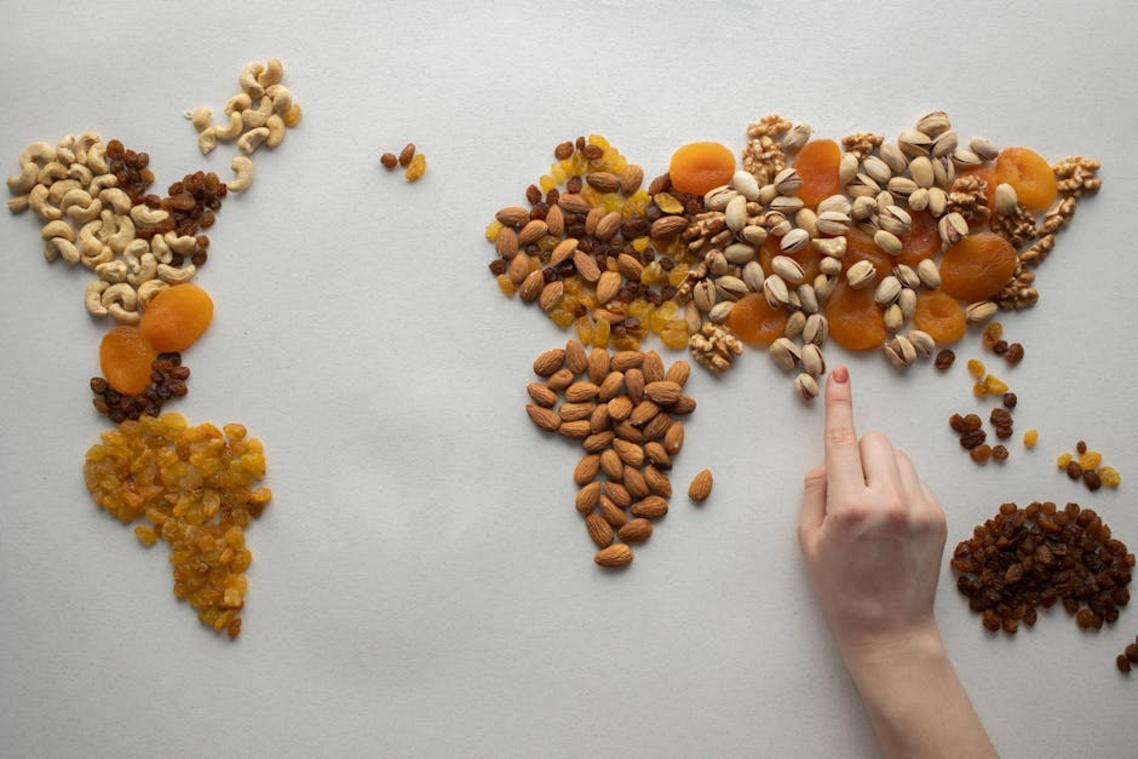
Participating in global food movements isn’t about giving up your favorite meals. It’s about upgrading them. When you choose seasonal produce or learn to cook the whole vegetable, you’re unlocking deeper flavor (and usually saving money, too).
If you’ve ever felt powerless about climate change or food waste, that feeling is valid. The problem seems massive. But conscious cooking—paying attention to ingredient origin, minimizing waste, and reviving traditional techniques—is a practical starting point.
Try this simple root-to-stem approach:
- Roast carrot tops with olive oil and sea salt for a crispy garnish.
- Simmer vegetable scraps into a homemade stock.
- Quick-pickle watermelon rinds with vinegar and spices.
These small shifts add complexity to your dishes while reducing waste.
Pro tip: Shop once this week at a local farmer’s market and ask a vendor how they’d cook an unfamiliar vegetable.
Start with one new recipe. Flavor will follow—and so will impact.
As global food movements reshape our daily meals, they often intertwine with traditional culinary techniques, such as the classic French sauces that elevate fine dining dishes, reminding us of the rich tapestry of flavors that influence our dining experiences – for more details, check out our How Classic French Sauces Elevate Fine Dining Dishes.
Bring Bold Flavors Into Your Kitchen Today
You came here looking to better understand the flavors, techniques, and inspiration driving today’s global food movements—and now you have the insights to turn that curiosity into something delicious. From smarter ingredient pairings to practical kitchen hacks, you’re equipped to elevate everyday meals with confidence.
The real frustration isn’t a lack of interest—it’s not knowing how to translate big culinary trends into dishes that actually work at home. That’s where guidance, clear breakdowns, and tested tips make all the difference.
Now it’s your move: choose one new flavor profile, try one technique, and experiment with intention. If you’re ready to stop making repetitive meals and start creating dishes that feel inspired, explore more expert breakdowns and kitchen-tested strategies today. Join thousands of home cooks who are already transforming their meals—start cooking smarter and bolder now.