
Ever open your fridge to a sad sight? Half an onion, a lonely carrot, leftover chicken. It’s uninspiring, right?
But here’s the kicker (those) odds and ends can be culinary gold. The problem isn’t the ingredients; it’s the waste. It’s a hit on your wallet and a punch to the planet.
This article? It’s your guide to flipping the script.
Forget tossing those scraps. We’re diving into leftover ingredients uses that turn potential waste into delightful dishes. I’ve spent years perfecting this craft.
Cooking doesn’t have to be about following recipes. It’s about mindset. A shift towards making every bit count.
You’ll find yourself cooking more sustainably and saving money. Stick around and let’s make magic happen in your kitchen.
Adopt a ‘First-In, First-Out’ Kitchen Mindset
Cooking isn’t just about whipping up a meal. It’s about using every ingredient like it’s gold. Ever thought of your pantry as a treasure chest?
Well, it should be. The First-In, First-Out (FIFO) principle is your new mantra. It’s a simple method used in professional kitchens that you can easily adopt at home.
The idea is straightforward: use older items first. This way, nothing turns into a forgotten science experiment in the back of the fridge.
Now, let’s talk organization. Start with an “Eat Me First” box. Place it front and center in your fridge or pantry.
This is where you put those items close to expiration. It screams, “Use me or lose me!” You’d be surprised how this tiny change can transform how you see leftover ingredients uses.
But don’t stop there. Make a habit of a weekly “Ingredient Audit.” Before heading to the store, quickly scan your fridge and pantry. Identify what’s in surplus.
It’s like prepping for battle with a game plan. This simple habit prevents overbuying and is your first line of defense against waste.
And hey, while you’re reorganizing, check out important knife skills every cook. Knowing how to slice and dice efficiently can make all the difference in sticking to your FIFO plan. Trust me, your kitchen will run smoother, and you’ll waste less.
Isn’t that what we all want?
Master the ‘Everything’ Recipes: Your Go-To Templates
You know those days when you open the fridge, stare at the random bits and pieces, and wonder what on earth to do with them? Trust me, we’ve all been there. The secret is learning how to master the art of flexible recipes.
You don’t need rigid instructions; you need adaptable templates. Let’s dive into how you can turn those odds and ends into something delicious.
First up, the Fridge-Clear-Out Frittata or Quiche. Here’s the basic formula: eggs, dairy (or a milk alternative), fillings, and cheese. Got some cooked veggies or leftover meats?
Perfect. Those wilting greens you feel guilty about? Toss them in.
Herbs that are about to go bad? They’re your new best friend. This dish is all about using what you have and making it work.
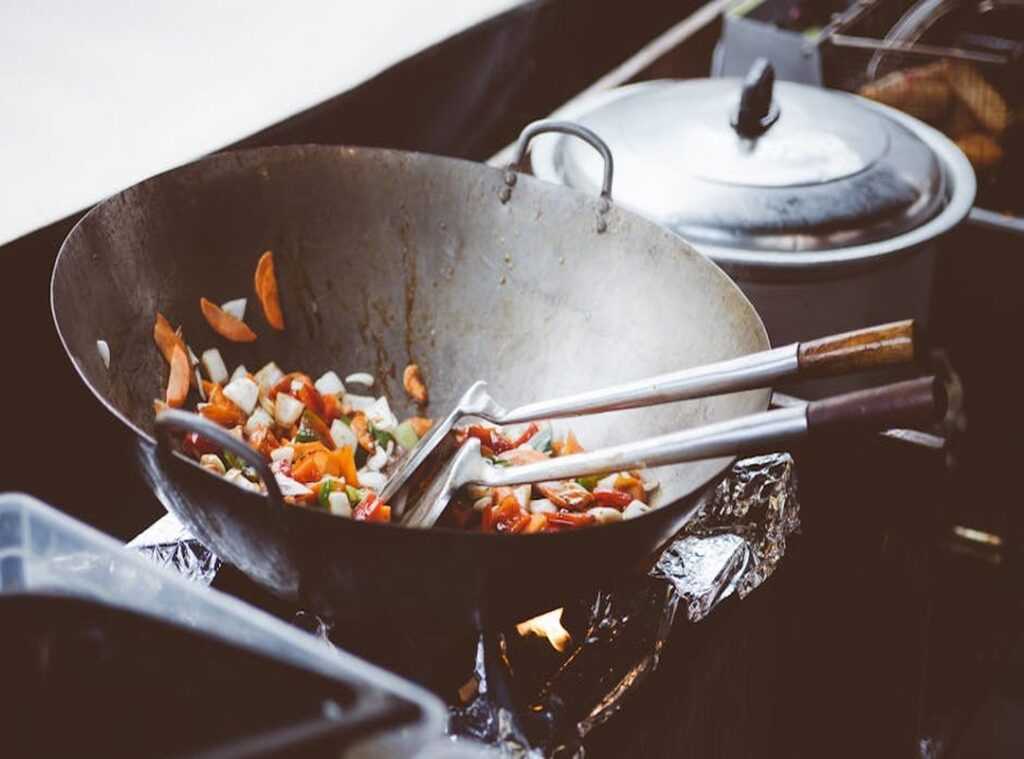
Next, the Use-It-Up Stir-Fry or Fried Rice. You start with aromatics like garlic or onions, add protein (think leftover chicken or tofu), and then mix in sturdy veggies such as carrots. Follow up with tender veggies like spinach.
Finally, add a versatile sauce and some grain. This is where you can really get creative. A simple soy sauce, garlic, and ginger combo can work wonders.
Now, let’s talk soup. The Whatever-You’ve-Got Soup is a lifesaver. Start with a broth base.
Throw in leftover vegetables, meat, or even bones for depth. Want a creamy texture? Blend it all up.
Want it clear? Keep it simple. It’s comforting and forgiving.
Lastly, the Odds-and-Ends Pesto or Sauce. Use greens like carrot tops or spinach, and swap traditional pine nuts for sunflower seeds or walnuts. Blend with olive oil, garlic, and a bit of cheese.
It’s a fresh take on a classic.
Feeling inspired? Check out the best recipes to use up leftovers for more ideas. These templates aren’t just practical.
They’re a celebration of resourcefulness. Embrace them. Save money, reduce waste, and create something delicious.
It’s the ultimate in leftover ingredients uses.
Smart Storage: Keeping Ingredients Fresh
When it comes to leftover ingredients uses, having a smart storage plan is your best ally. Let’s talk herbs first. I swear by the “bouquet” method: stick those stems in water and cover them with a bag in the fridge.
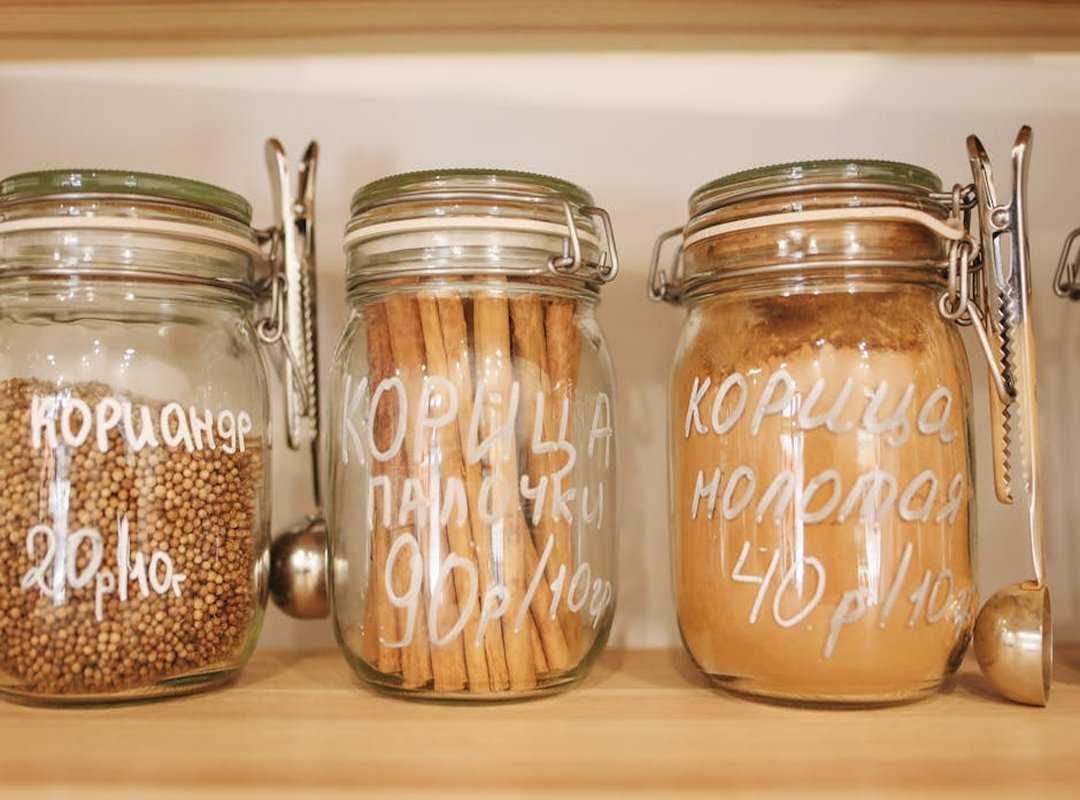
Works like a charm. If you’re not using them soon, try the “blanch and freeze” method. Simply blanch the herbs and freeze them in ice cube trays with oil or water.
Keeps flavor locked in for the long haul.
Now, vegetables. They’re tricky, aren’t they? Some can be total divas.
Leafy greens? Wash, dry, and then store them in a container with a paper towel. Root vegetables demand their own space (a) cool, dark place is perfect.
And never, ever refrigerate tomatoes. It messes with their taste.
Moving on to freezing: a real lifesaver. But not everything can handle the deep freeze. Blanched veggies, cooked meats, bread, and sauces freeze well.
But cucumbers and lettuce? Forget about it. They’ll turn into mush.
To ward off freezer burn, use airtight containers and squeeze out that excess air like it’s your mission.
Ever thought of Mastering Art of Grilling? Somehow, it all starts with the right ingredients and storage plays a huge role in it. Different story, but worth the thought.
Does this all sound like a kitchen revolution? Maybe, maybe not. But really, if you’re tired of tossing food, it’s time to rethink how you store your ingredients.
Sure, some of this might seem like overkill. I mean, who needs to “bouquet” their herbs, right? But trust me, it works.
Try it. What’s the worst that could happen? You’ll waste less food and maybe even enjoy cooking more.
Get Creative: Unexpected Kitchen Scrap Uses
Ever thought about the potential hiding in your kitchen scraps? Let’s take it up a notch. This isn’t just about saving waste.
It’s about unlocking flavors and cutting costs. Surprised? You shouldn’t be.
From Scraps to Stock: I’ve collected onion skins, carrot peels, and celery butts for years (that stuff you usually toss). Freeze them along with chicken bones. When you’re ready, simmer them into a rich, free homemade stock. The flavor? Unmatched. And let’s be honest, who doesn’t love saving money?
Now, what about stale bread? Don’t just toss it. First up, homemade croutons.
Cube, toss in oil and spices, bake. Simple. Next, savory breadcrumbs.
Toast and pulse them in a food processor. Lastly, try a Panzanella (a) bread salad. Trust me, it’s a game-changer.
And citrus peels? Those are gold. Infuse them in vinegar for a natural cleaner.
Stale bread never looked so good.
Or make flavored sugars for baking. Even use them as cocktail garnishes. Adds a gourmet touch without the price tag.
Let’s not forget the pickle or olive brine. Don’t pour it out! Use it to marinate chicken.
Or add it to salad dressings. You can even brine other veggies. It’s a flavor boost waiting to happen.
These are just a few ways to get creative. It’s all about discovering new leftover ingredients uses. So next time you’re about to throw something away, pause.
You might just find your next favorite kitchen hack.
Start Your No-Waste Kitchen Now
Ever open your fridge to a pile of leftovers and feel that twinge of guilt? You’re not alone. But here’s a shift for you: leftover ingredients uses can be your secret weapon.
By embracing a new mindset and using a few flexible cooking templates, you can turn waste into wonder. It saves money, helps the environment, and boosts your kitchen creativity.
So here’s the challenge: This week, before heading to the store, pick one template from this guide. Create a meal from ingredients you already have. You’ll feel empowered and resourceful.
Ready to transform your kitchen habits? Dive in today.