
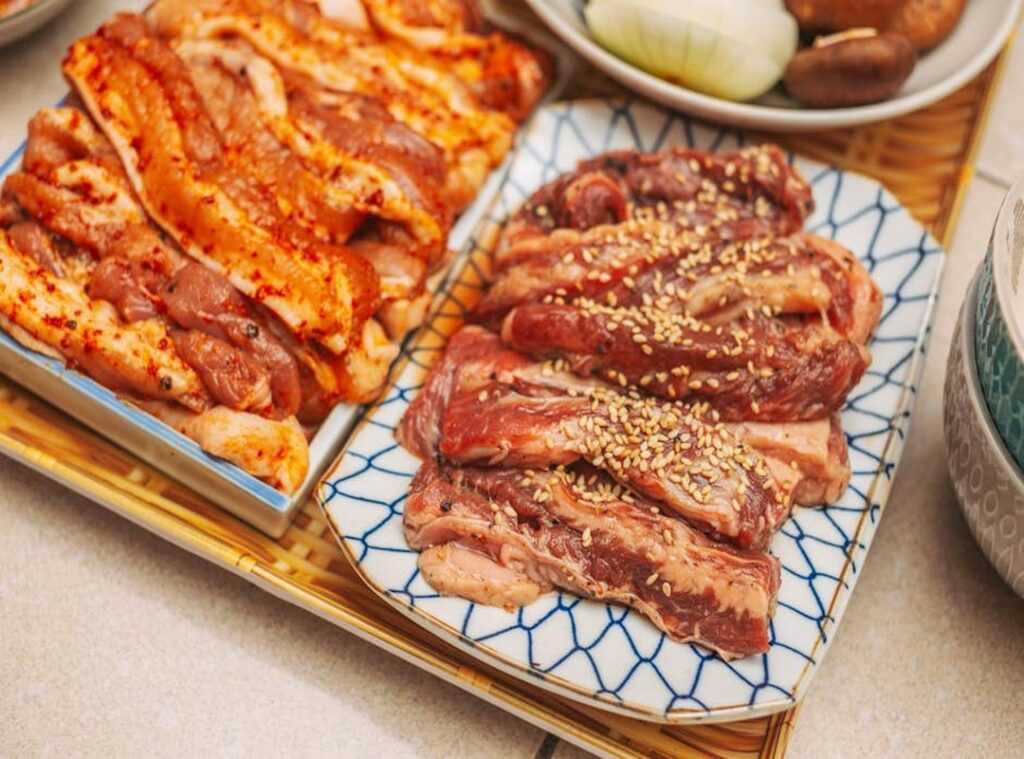
Ever cooked the perfect steak only to ruin it with a bland sauce? You’re not alone. I’ve been there, and it’s frustrating.
Luckily, I’ve spent years in the kitchen, experimenting and unraveling the mystery of flavor-packed sauces. This isn’t about following recipes to the letter. It’s about understanding the essence of flavor.
How to build it, layer it, and perfect it.
Forget boring, one-note sauces. You’re about to learn a simple, reliable system that works for all meats, from chicken to beef. Imagine crafting your own signature sauces that make any meat unforgettable.
Why trust this guide? Because it’s born out of countless hours of trial and error. By the end, you’ll have the confidence to improvise.
Ready to transform your marinades for meats?
The Flavor Triangle: Acid, Fat, and Sweet/Savory
Here’s the deal: great sauces all come down to the Flavor Triangle. It’s the magical balance between acid, fat, and sweet/savory. Almost every memorable dish has this balance.
Why? Because these elements work together in harmony.
Let’s start with acid. Acid is like a culinary sharpener, cutting through richness and brightening up flavors. Think lemon juice, vinegars (balsamic, red wine, apple cider), and even tomatoes.
They’re not just there for fun; they transform your dish. Without acid, everything feels a bit flat, doesn’t it?
Next up, fat. This is where the flavor gets carried. Fat creates a rich mouthfeel that makes everything taste just a bit better.
Butter, cream, olive oil, and rendered animal fats (like bacon grease) are your main players here. Ever noticed how a creamy sauce just has that comforting vibe? Thank fat for that.
Now, sweet/savory (also called umami) is where depth happens. It’s what takes a dish from okay to wow. Things like honey, maple syrup, brown sugar add sweetness.
On the savory side, soy sauce, Worcestershire, miso paste, mushrooms, and garlic build complexity. If you want to dive deep into this, check out the Exploring Umami Flavor Profile.
You might be wondering: how does this apply to marinades for meats? The balance of acid, fat, and umami in your marinade will determine if your meal is a hit or miss. Think about it.
Ever had a steak that was just… blah? It likely missed one of these. Try mastering the Flavor Triangle, and you’ll never look back.
Flavor Foundations: Techniques You Need
When it comes to cooking, technique is king. Sure, ingredients matter, but how you cook them can make or break a dish. Let me tell you about a game-changer: searing and the magic of fond.
You know those browned bits left in the pan after cooking meat? They’re flavor gold. This is where most pan sauces begin.
It’s like the hidden treasure of your skillet.
And then there’s deglazing. It’s not as fancy as it sounds (just) a splash of wine, broth, or even vinegar to lift that fond off the pan. Suddenly, you’ve got a sauce with a deep, roasted flavor that even your grandma would approve of. (Pro tip: White wine works wonders here.)
But wait, there’s more. Aromatics like onions, shallots, and garlic? They’re not just filler.
Sauté them in those pan drippings and you’re layering flavors like a pro. Ever wonder why restaurant dishes taste so rich? This is a big part of it.
Reduction is another key player. Simmer your sauce to let water evaporate and flavors concentrate. It thickens naturally, no cornstarch needed.
It’s like magic, but real.
Speaking of making things taste amazing, ever tried using marinades for meats? They soak into the fibers, transforming ordinary cuts into mouthwatering wonders. Combine these techniques and you’re not just cooking.
You’re creating.
So next time you’re in the kitchen, think beyond ingredients. Use these techniques and watch your dishes come alive. It’s the kind of skill that stays with you.
Flavors That Raise: Meat Pairing Simplified
Pairing flavors with meats isn’t rocket science, but it can feel that way. Let’s cut through the noise. When it comes to beef, you want earthy flavors that match its richness.
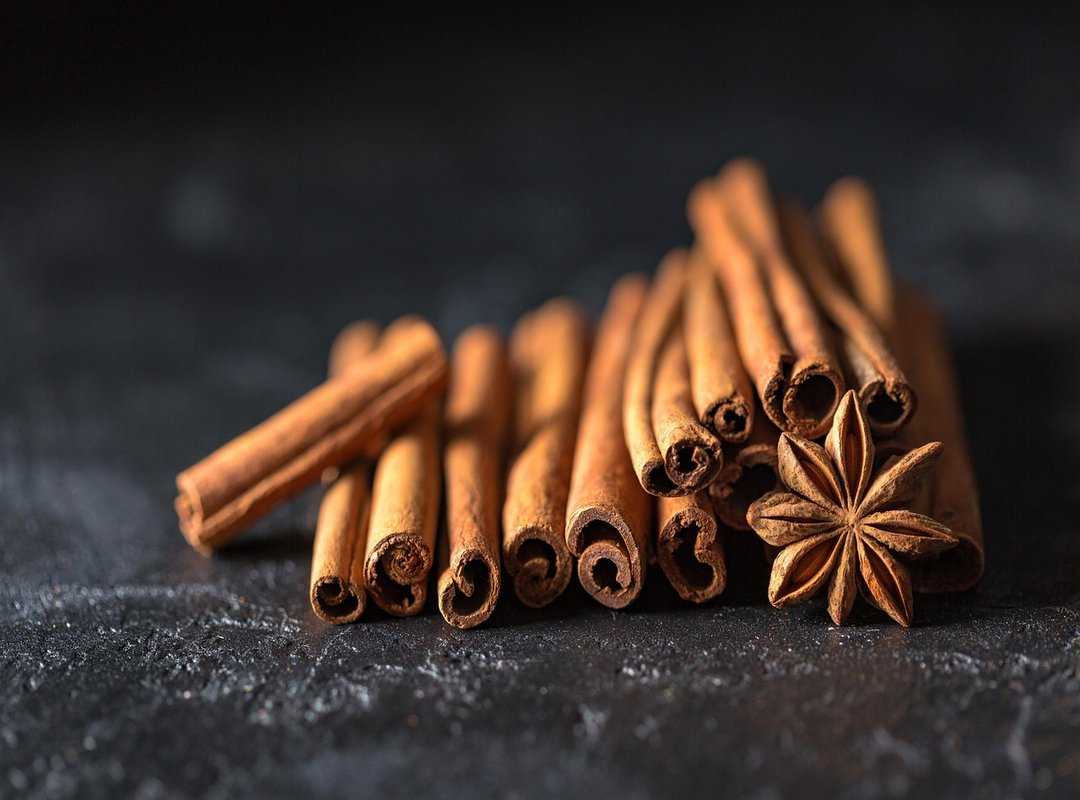
Think red wine, mushrooms, thyme, and rosemary. A red wine reduction sauce? Perfection.
You can’t go wrong with some black peppercorns and beef broth either. These classics never fail.
Chicken is the wildcard here. It’s versatile. You can go in any direction, but I say lean into lighter, brighter flavors.
Lemon and garlic are a match made in heaven. Toss in some white wine and cream, and you’re set. A creamy lemon-herb sauce with tarragon and parsley takes your chicken to the next level.
Trust me, you’ll want to make extra.
Now, pork has a slight sweetness that begs for sweet and tangy partners. Apple, mustard (especially Dijon), and brown sugar are your best friends. Cider vinegar and smoky paprika seal the deal.
An apple and mustard pan sauce is the way to go. It just works. You can taste the harmony in each bite.
Fish is delicate. You don’t want to drown it out with heavy flavors. Citrus like lemon and lime, fresh dill, and butter are your go-tos.
A little white wine and capers wouldn’t hurt either. A simple lemon-dill butter sauce? That’s the ticket.
It’s like a gentle hug for your taste buds.
And while we’re talking about flavors, don’t forget to explore this guide for more lively options. Sometimes, the best inspiration comes from unexpected places.
So, next time you’re marinating, remember these pairings. They’re not just good; they’re game-changers. Now, go make something delicious.
Your taste buds will thank you.
The Secret Sauce: Taking Your Dish from Good to Great
So you think your sauce is ready to go? Think again. The magic really happens in those final touches.
Let’s talk enriching with fat. You know how some dishes just shine? It’s that last-minute swirl of cold butter (we call it monter au beurre in fancy kitchens) that does the trick.
It adds a glossy, rich finish without turning your sauce into a greasy mess. Seriously, try it next time.
Now, let’s dive into the area of acidity. A tiny squeeze of lemon juice or a splash of vinegar right before serving can wake up all your flavors like that first cup of coffee in the morning. It’s surprising how much this little move matters.
If you think your sauce is missing something, it probably needs this jolt.
And the fresh herbs (don’t) get me started. Chopped parsley, chives, or cilantro tossed in at the end? They add a fresh burst that no cooked herb can compete with.
It’s like adding a dash of color to a black-and-white photo. You ever notice how it just pops? That’s what fresh herbs do.
Here’s your secret weapon: a touch of anchovy paste or miso. Those bring that hard to find umami flavor. Just a smidge will add complexity to your sauce that’ll have guests asking for your secret ingredient.
They won’t know what hit them, but they’ll love it.
And while we’re at it, don’t forget about your other culinary adventures. This finishing technique applies not just to sauces but to other kitchen creations like your marinades for meats. Keep experimenting.
You’ll find that these tweaks raise everything from ordinary to phenomenal.
Spice It Up Tonight
Tired of bland sauces ruining your meals? You’re not alone. But great news: the Flavor Triangle and key techniques are your new secret weapon.
Now, you don’t just have recipes. You have the tools to craft your own flavors. Want to raise your next meal?
Pick your favorite meat this week and make a simple pan sauce to wow yourself (and others). Need a hint? Think marinades for meats.
They’re a game-changer. You’ll see the difference. Ready to turn the mundane into magic?
Dive in and make your meals memorable. Stop waiting. Start creating tonight.