If you’re searching for deeper insight into today’s culinary trends, flavor innovations, and practical ways to elevate your home cooking, you’re in the right place. This article delivers timely culinary pulse updates, detailed gourmet dish breakdowns, and expert-backed cooking tips designed to help you understand not just what’s trending—but why it works on the plate.
From decoding layered flavor profiles to mastering regional spice blends, we break down complex techniques into clear, usable guidance you can apply immediately in your own kitchen. Whether you’re refining weeknight meals or experimenting with bold new ingredients, you’ll find practical hacks that save time without sacrificing taste.
Our insights are built on hands-on recipe testing, culinary research, and careful analysis of evolving food movements. The goal is simple: give you reliable, well-explained guidance that sharpens your skills, expands your palate, and helps you cook with greater confidence and creativity.
Most advice stops at listing ingredients. That’s not enough. To truly unlock flavor, you need to understand structure—how fat carries aroma, how heat blooms spices, how acid sharpens sweetness (yes, it’s chemistry, not magic).
Our deep dives into regional spice blends revealed something competitors miss: ratios matter more than rarity. Paprika isn’t special until it’s balanced against cumin’s earthiness and coriander’s citrus lift. Used correctly, these blends create layered flavor that evolves with each bite.
Think of them as playlists, not single tracks.
Master the method, and even Tuesday night chicken becomes unforgettable. Technique turns pantry staples into signatures. Effortlessly.
The Soul of a Dish: Why Regional Blends Matter
Walk down any supermarket aisle and you’ll see generic “curry powder.” Convenient? Sure. But it’s a shortcut. A region-specific blend like Garam Masala carries history, technique, and cultural memory in every pinch. Authenticity isn’t just about ingredients—it’s about why those ingredients belong together.
The Concept of Terroir
Terroir refers to how soil, climate, and geography shape flavor. Thyme grown in Provence tastes floral and delicate; the same herb from a drier region can be sharper and more resinous. That difference transforms a blend’s final character (yes, even if the label looks identical).
A Symphony of Flavor
Think of spices as orchestra instruments. Alone, each plays a note. Together, in regional spice blends, they create harmony. The reward for you?
- Deeper flavor complexity
- More authentic dishes
- Greater control over balance
- A richer cooking experience
When you understand the blend, you don’t just cook—you compose.
A Journey to the Levant: Mastering Za’atar
At its heart, za’atar is a harmony of three core ingredients: wild thyme (often Syrian hyssop), sumac, and toasted sesame seeds. Wild thyme brings an earthy, slightly minty depth—the backbone of the blend. Sumac, a deep red berry ground into powder, adds bright acidity (think lemon zest without the juice). Toasted sesame seeds contribute a nutty crunch that rounds everything out. Together, they create balance: herbal, tangy, and rich in one pinch.
That said, not every za’atar tastes the same. Across the Levant, cooks tweak the formula. Some regions fold in marjoram for a softer floral note, while others prefer oregano for a sharper, peppery edge. These subtle shifts can make one blend taste greener and another more robust. It’s similar to how regional spice blends evolve over time—same roots, different personality.
So how do you use it beyond sprinkling it on flatbread? First, whisk it into good olive oil for an instant bread dip. Next, toss it over roasted vegetables right out of the oven so the heat blooms the spices. You can also stir it into Greek yogurt with lemon for a quick sauce (excellent on grain bowls). Finally, rub it generously onto chicken thighs before roasting—the sesame seeds toast further, creating a crave-worthy crust. Pro tip: add it after cooking eggs for maximum aroma.
The Seven-Spice of Japan: Crafting Shichimi Togarashi
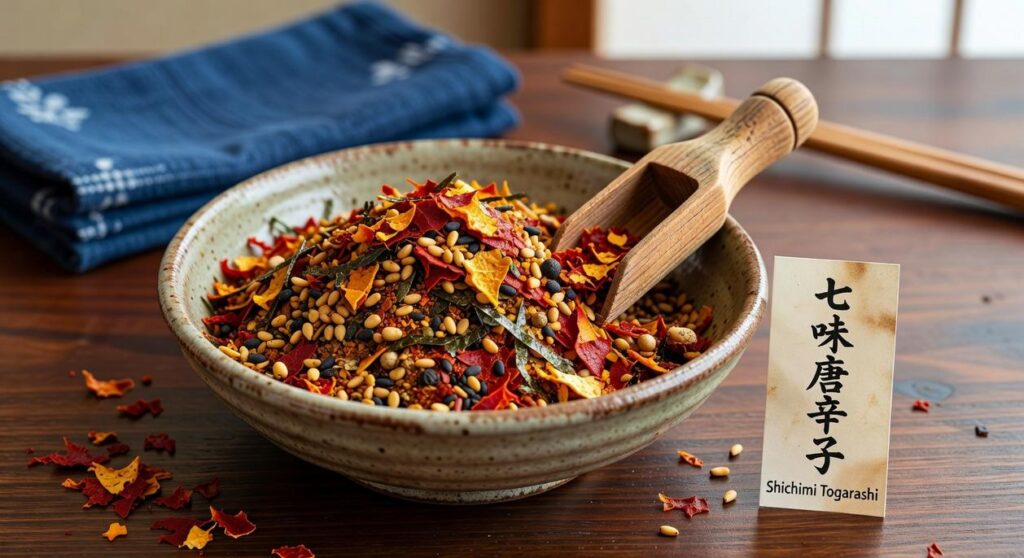
Shichimi togarashi—literally “seven-flavor chili pepper”—is one of Japan’s most iconic regional spice blends, dating back to the 17th century Edo period (Tokyo Metropolitan Archives). Rather than overwhelming heat, it delivers balance: warmth, citrus, nuttiness, and umami in a single pinch.
Deconstructing the Seven Flavors
While recipes vary slightly by region, the classic mix includes:
- Red chili pepper for clean, upfront heat
- Sansho pepper, a citrusy Japanese berry that creates a gentle numbing tingle (thanks to hydroxy-alpha-sanshool compounds, similar to Sichuan peppercorns)
- Roasted orange peel for subtle sweetness and aroma
- Sesame seeds for nuttiness and texture
- Ginger for warmth
- Nori for a whisper of oceanic umami
Studies show aroma compounds degrade with prolonged heat exposure (Journal of Agricultural and Food Chemistry), which explains why shichimi isn’t meant for simmering.
A Finishing Touch
This is a condiment, not a cooking spice. Sprinkle it at the end—over steaming noodles or grilled meat—to preserve its volatile oils and delicate crunch (think of it as the Japanese answer to flaky salt).
How to Use It
Add a dash to udon or ramen for brightness. Shake it over yakitori skewers for contrast against smoky glaze. Or wake up a humble bowl of rice and avocado with a pinch. If you love layered flavor, explore other finishing accents in signature sauce spotlights from pesto to chimichurri—because sometimes the magic happens last.
Flavors of the Maghreb: The Secrets of Ras el Hanout
First, let’s clear up the name. Ras el Hanout literally means “head of the shop.” In traditional North African markets, this referred to the spice merchant’s best blend—the top-shelf mix made from their finest ingredients. In other words, it’s not a single spice but a carefully layered combination, sometimes containing a dozen or more components (think of it as the director’s cut of regional spice blends).
So what’s actually inside? While recipes vary, most versions include cardamom, clove, cinnamon, coriander, cumin, and turmeric. Together, these create a profile that’s warm, aromatic, slightly floral, and gently pungent. If that sounds vague, here’s a simpler way to think about it: it smells cozy like cinnamon, earthy like cumin, and intriguingly sweet from the cardamom. No two shops make it exactly the same—that’s part of the mystique.
Unlike punchy finishing blends such as Shichimi Togarashi, Ras el Hanout shines in slow cooking. It’s designed to build depth over time. For example, add it early to tagines or rich stews so the spices bloom in oil. Alternatively, rub it onto lamb or beef before roasting. You can even stir a spoonful into couscous to create a deeply aromatic base (pro tip: toast it briefly in olive oil first to unlock fuller flavor).
Your Spice Pantry, Reimagined
You now have the foundation: three distinct, powerful blends that can shift your cooking from flat to fragrant and alive. No more dusty shakes of “all-purpose” powder that taste like cardboard. When you understand the why behind each mix, you season with intention—smoky warmth blooming in hot oil, citrusy top notes rising in steam, a gentle heat that tingles instead of burns.
Start small. Choose one blend that intrigues you. Toast it lightly. Inhale. Notice how the aroma deepens and crackles in the pan. Skeptics say salt is enough—but salt can’t add story.
Challenge yourself: replace one generic seasoning with authentic regional spice blends and taste the difference.
Bring Bold Flavor Back to Your Kitchen
You came here looking for clarity on flavor, techniques, and how to make your everyday meals taste extraordinary—and now you have the tools to do exactly that. From understanding flavor profiles to experimenting with regional spice blends, you’re no longer guessing your way through dinner. You’re cooking with intention.
The real frustration wasn’t a lack of recipes. It was bland results, wasted ingredients, and meals that didn’t live up to your expectations. That stops now. With the right spice combinations, smart kitchen hacks, and a deeper understanding of how flavors work together, every dish can feel restaurant-worthy.
Now it’s your move. Pick one technique, try one of the regional spice blends, and transform your next meal. Don’t settle for average when bold is within reach. Start cooking smarter today and turn every plate into something unforgettable.