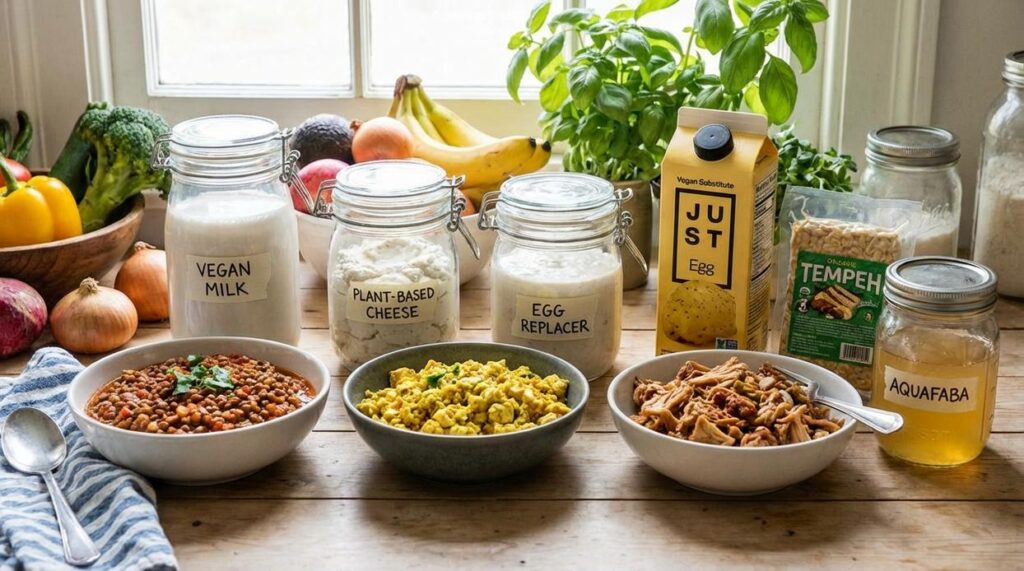
Looking for smarter ways to elevate your home cooking without overcomplicating your kitchen routine? This article delivers exactly that. Whether you want clearer flavor breakdowns, practical cooking tips, or creative upgrades for everyday meals, you’ll find actionable insights designed to make your time in the kitchen more confident and rewarding.
We focus on what truly matters to home cooks: understanding why flavors work, how ingredients interact, and how small adjustments can dramatically improve a dish. Inside, you’ll find gourmet dish breakdowns, practical kitchen hacks, and a clear ingredient substitution guide to help you adapt recipes with ease—without sacrificing taste or texture.
Our content is built on tested techniques, culinary best practices, and careful analysis of flavor profiles to ensure accuracy and reliability. If your goal is to cook smarter, experiment confidently, and bring restaurant-level thinking into your home kitchen, this guide is designed to help you do exactly that.
Halfway through a recipe and—boom—you’re out of buttermilk. Instead of abandoning dinner, think function first. Fats add moisture and tenderness; sugars sweeten and help browning (that golden crust is caramelization); leaveners create lift through gas formation. Once you know the role, you can swap intelligently: yogurt plus milk for buttermilk, applesauce for oil in quick breads, baking soda plus acid for baking powder. This ingredient substitution guide explains the why, not just the what. Looking ahead, it’s speculation, but rising grocery costs may push home cooks toward flexible, waste-free cooking as the norm. So experiment—confidently. Your pantry is more adaptable.
The 3 Golden Rules of Ingredient Swapping
We’ve all been there. You’re halfway through a recipe when you realize you’re out of buttermilk (or worse, eggs). Cue the frustration. Before you toss the bowl in the sink, remember these three rules.
Rule 1: Match the Function. Every ingredient has a job. Moisture keeps cakes soft, structure holds them up, flavor makes them craveable, and leavening creates lift. If you swap Greek yogurt for sour cream, it works because both add moisture and tang. Ignore function, and you’ll get pancakes that double as hockey pucks.
Rule 2: Consider Flavor and Texture. Oil can replace butter for moisture, yes—but you’ll miss that rich, buttery depth and some tenderness. Substitutions are trade-offs. Expect differences, not duplicates. (That’s just kitchen reality.)
Rule 3: Start Small and Go Slow. Baking is chemistry, not improv night. Change one or two elements at a time. Use a trusted ingredient substitution guide to avoid total guesswork—and save yourself another baking meltdown.
Swapping Fats & Oils: The Key to Moisture and Flavor
Mastering fat swaps is the FASTEST way to control moisture, texture, and flavor in baking. Think of fats as tenderizers—they coat flour proteins, limiting gluten (the network that creates chewiness). Less gluten usually means softer results.
Butter Substitutes: For every 1 cup of butter, you can use 7/8 cup of vegetable oil or 1 cup of margarine. Note the impact on browning and flavor.
Butter adds water and milk solids, which boost browning through the Maillard reaction (the chemical reaction that creates golden crusts). Oil increases moisture but reduces that nutty depth.
For lighter results, try this ingredient substitution guide approach:
- Replace up to HALF the fat with unsweetened applesauce for muffins.
- Use mashed banana in quick breads for natural sweetness.
- Swap Greek yogurt into cakes for protein-rich moisture.
Oil for Oil: Swapping neutral oils (canola, vegetable) is straightforward. When using strong-flavored oils like olive or coconut, consider how they will affect the final dish’s taste profile.
Pro tip: Test small batches first.
Decoding Sweeteners: From Granulated to Liquid
Swapping sweeteners isn’t just chemistry—it’s strategy. Here’s the ingredient substitution guide you’ll actually use.
Dry for Dry: Granulated sugar can generally be swapped 1:1 with brown sugar or coconut sugar, but expect differences in moisture and a slight molasses or caramel flavor. Brown sugar adds softness (great for cookies), while coconut sugar brings a deeper, almost toffee-like note. If you want chewiness, choose brown. If you want subtle complexity, try coconut.
Liquid for Dry: To substitute honey or maple syrup for sugar, use 3/4 cup of liquid sweetener for every 1 cup of sugar, and reduce the other liquids in the recipe by 1/4 cup. Because liquids add moisture, lower your oven temperature by 25°F to prevent over-browning (pro tip).
Sugar-Free Alternatives: Stevia and erythritol vary dramatically by brand—follow package instructions exactly. Some can leave a cooling aftertaste, so test small batches first.
And remember, sweetness affects texture—just like when learning how to cook perfect grains every time: precision matters.
Mastering Dairy & Egg Alternatives

Last winter, I ran out of eggs halfway through baking muffins, and panic set in. However, a quick flax egg saved the batch and taught me flexibility matters in the kitchen. Since then, I treat substitutions as skills, not compromises. After all, baking is chemistry—ingredients acting as binders, or elements that hold everything together.
Milk Swaps: Any plant-based milk (almond, soy, oat) can typically replace dairy milk in a 1:1 ratio. For buttermilk, add 1 tablespoon of lemon juice or vinegar to 1 cup of regular or plant-based milk and let it sit for 5 minutes.
Yogurt & Sour Cream: These are often interchangeable for adding moisture and tang. Greek yogurt can be used in place of sour cream. Coconut yogurt is a great dairy-free option.
Egg Substitutes (The Binder): For one egg, use 1/4 cup of unsweetened applesauce, 1/4 cup of mashed banana, or a ‘flax egg’ (1 tablespoon ground flaxseed mixed with 3 tablespoons water).
Still, some argue alternatives change flavor too much. Yet in my experience, most swaps are seamless when ratios stay precise. Pro tip: taste batter before baking and adjust sweetness or salt as needed. That pause makes all difference.
Flour is the quiet ARCHITECT of your kitchen, turning shaggy dough into tender crumbs and sauces into silky ribbons. When you whisk, you can almost hear structure forming (like culinary ASMR). Keep these swaps handy:
- Texture matters.
- Aroma deepens as starch cooks.
- PRO TIP: bloom flour in fat for nutty depth slowly.
All-Purpose Flour Swaps: For 1 cup of AP flour, you can use 1 cup + 2 tablespoons of cake flour. For whole wheat, you can substitute up to 50% without major structural changes.
Gluten-Free Baking: Explain that this is more complex and usually requires a pre-made GF blend or a specific combination of flours (like almond, oat, and tapioca) to mimic the properties of gluten.
Thickening Agents: For 1 tablespoon of cornstarch, you can use 2 tablespoons of all-purpose flour or 1 tablespoon of arrowroot starch. Note that flour can create a less glossy sauce.
Now that you understand ingredient roles—fat for moisture, acid for lift, starch for structure—you can swap with purpose. Instead of abandoning a recipe, pause and scan your pantry. For example, replace one cup of oil with three-quarters cup applesauce to cut fat while keeping muffins tender (yes, it really works). Likewise, Greek yogurt can stand in for sour cream at a 1:1 ratio.
Keep an ingredient substitution guide nearby for quick ratios and flavor notes. Start small, taste as you go, and adjust seasoning after each swap. Soon, you’ll cook confidently, not cautiously. Your kitchen thrives on flexibility and confidence.
Bring Confidence Back to Your Kitchen
You came here looking for clarity—how to balance flavors, swap ingredients without ruining a dish, and cook with more confidence. Now you have the tools to do exactly that.
Cooking frustration usually starts with uncertainty: missing ingredients, bland results, or recipes that don’t quite work in real life. When you understand flavor profiles, smart swaps, and simple kitchen hacks, those problems disappear. Your meals become more flexible, more creative, and far more satisfying.
The next step? Put this into action tonight. Try one new technique, experiment with a smart swap using the ingredient substitution guide, and taste the difference for yourself.
If you’re ready to eliminate guesswork and elevate every dish you make, explore more of our kitchen-tested tips and gourmet breakdowns. Thousands of home cooks rely on our trusted insights to turn everyday meals into standout plates.
Your kitchen should feel empowering—not overwhelming. Start cooking smarter today.