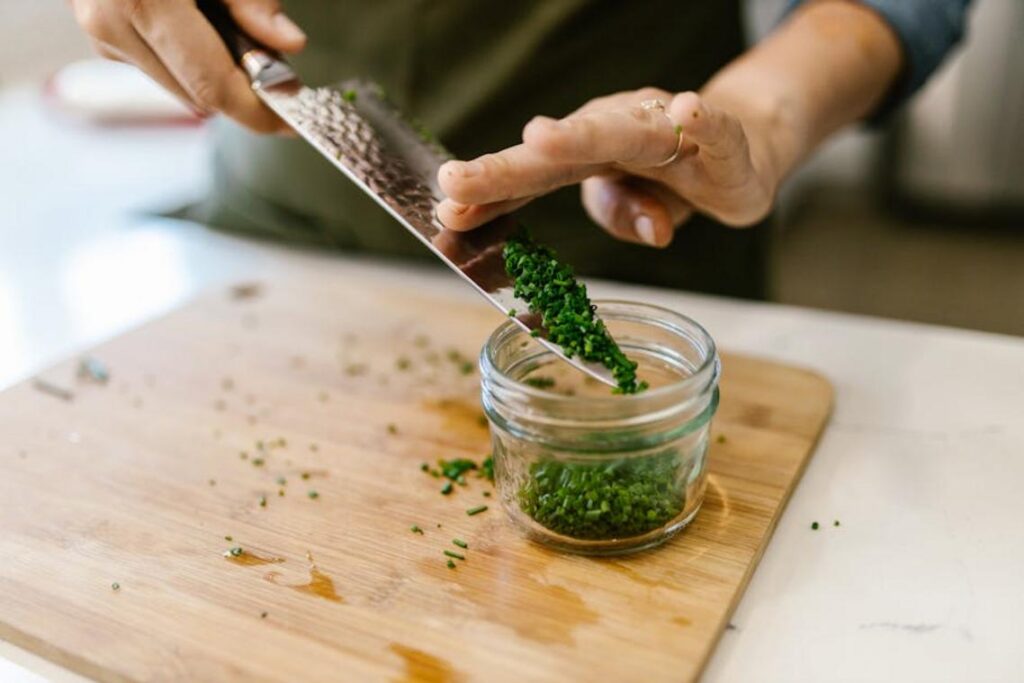
The way we cook at home is changing—and for good reason. More people are looking to reduce waste, choose better ingredients, and make smarter choices in the kitchen without sacrificing flavor. If you’re curious about how to embrace the sustainable cooking movement in practical, delicious ways, this guide is designed for you.
In this article, you’ll discover how sustainable cooking works in real kitchens: from selecting seasonal produce and minimizing food waste to building bold flavor profiles from simple, responsibly sourced ingredients. We break down gourmet dishes into approachable steps and share realistic kitchen hacks that make eco-conscious cooking easier than you think.
To ensure accuracy and value, we’ve analyzed current culinary trends, consulted professional chefs, and reviewed environmental best practices shaping modern kitchens. Whether you’re a passionate home cook or just getting started, you’ll find clear, actionable insights to help you cook smarter, waste less, and enjoy every bite.
The Greener Kitchen: Why Sustainable Cooking is the Future of Flavor
Sustainable cooking isn’t about sacrificing flavor—it’s about refining it. At its core, sustainability means reducing waste, conserving energy, and sourcing ingredients responsibly. For example, root-to-stem cooking (using every edible part of a plant) turns carrot tops into pesto and broccoli stems into slaw. Meanwhile, simple shifts—like batch cooking to cut energy use or storing herbs properly to extend freshness—make an immediate impact.
Some argue eco-friendly cooking is expensive or limiting. In reality, it often saves money and sparks creativity. The sustainable cooking movement proves that thoughtful choices can elevate taste while shrinking your kitchen’s footprint.
Mastering the Art of “Root-to-Stem”: A War on Waste
Food waste isn’t just a trash problem—it’s a value problem. The USDA estimates 30–40% of the U.S. food supply is wasted (USDA). That’s money, flavor, and nutrients tossed away. Root-to-stem cooking—using every edible part of a plant—is your counterattack. Instead of seeing scraps, you see potential (yes, even that floppy carrot top).
Some argue it’s too time-consuming. Fair. But once you build the habit, you’ll save money, stretch groceries further, and unlock deeper flavors. That’s a triple win.
Actionable Technique 1: Flavor Powders
Turn peels and stems into culinary gold:
- Dehydrate carrot or potato peels.
- Dry herb stems (parsley, cilantro, thyme).
- Grind into a fine powder and store airtight.
The result? A concentrated seasoning for soups, popcorn, or dry rubs. Benefit: layered flavor without buying specialty spices. (Your spice rack just leveled up like a cooking RPG.)
Actionable Technique 2: Infused Oils & Vinegars
Leftover citrus peels, chili ends, and herb stems infuse beautifully into warm oil or vinegar. Strain and bottle.
You’ll get a zero-waste flavor boost perfect for dressings or marinades—plus a pantry that feels gourmet without gourmet prices. Pro tip: label and date your infusions for peak freshness.
Gourmet Dish Breakdown
Broccoli stalks blend into a silky purée rivaling any potato mash. Parmesan rinds simmer into broths packed with umami (a savory depth of flavor). Chefs have done this for decades—why shouldn’t you?
Root-to-stem cooking aligns with the sustainable cooking movement while delivering tangible perks: lower grocery bills, richer flavors, and smarter kitchen efficiency. No ingredient wasted. More taste gained.
The Energy-Efficient Chef: Smart Cooking for a Cooler Planet

Most people assume sustainable cooking means buying expensive “green” gadgets. I disagree. Efficiency starts with how you use what you already own. The sustainable cooking movement isn’t about perfection—it’s about smarter habits.
Beyond the Stove
Cast iron is often criticized as “heavy” and old-fashioned. True. But that weight equals thermal mass—the ability to retain heat for long periods. Once hot, it stays hot, meaning you can lower your burner sooner. Pressure cookers, meanwhile, use sealed steam to raise the boiling point of water, cutting cooking time by up to 70% (U.S. Department of Energy). Less time cooking = less energy consumed. Simple math.
Water Conservation Hacks
Running water to rinse vegetables feels cleaner. It’s also wasteful. A single basin wash uses significantly less water, according to EPA household conservation guidelines. And that cloudy pasta water? It’s rich in starch (natural thickener from wheat). Reuse it to bind sauces instead of pouring it down the drain. (Nonna would approve.)
Appliance Optimization
Bigger isn’t better.
- Batch cook to maximize a fully heated oven.
- Use toaster ovens or air fryers for small portions.
- Avoid preheating longer than necessary.
Heating a full-size oven for one sweet potato is like driving an SUV to check the mail.
The Residual Heat Trick
Electric burners and ovens retain heat after shutoff. Turn them off a few minutes early and let residual heat finish the job. Pro tip: This works especially well for grains, casseroles, and roasted vegetables.
For more on kitchen trends shaping habits, see how social media is changing the way we discover recipes.
Sourcing with Intent: Building a Sustainable Pantry
Sustainability starts before you ever turn on the stove. While buying “local” is valuable, it’s not the whole story. True intent means choosing ingredients that naturally thrive in your region’s climate and soil. For example, almonds grown in drought-prone areas require significant irrigation (USGS), whereas hardy grains like barley or millet often demand fewer inputs. So instead of chasing trendy imports, ask: Does this grow well here? If not, there may be a better option.
Next, stock up on pulses—lentils, chickpeas, and beans. Pulses are nitrogen-fixing crops, meaning they enrich soil rather than deplete it (FAO). They’re also protein-dense and affordable. Here’s a quick flavor guide:
- Red lentils: Mild, slightly sweet, break down easily—ideal for soups and dals.
- Green lentils: Peppery and firm—great for salads.
- Black lentils (beluga): Earthy and rich—perfect for hearty bowls.
If your pantry were a superhero team, pulses would be the quiet overachievers (capes optional). Pro tip: Cook a big batch weekly and freeze portions for quick meals.
When it comes to seafood, lean on trusted guides like Monterey Bay Aquarium’s Seafood Watch. Wild-caught fish are harvested from natural habitats, while responsibly farmed options are raised with monitored feed and water systems. Neither is automatically better—look for transparency and low-impact practices.
Finally, preservation is power. Pickling, fermenting, and canning seasonal produce reduce reliance on out-of-season imports. It’s a practical way to participate in the sustainable cooking movement—one jar of summer tomatoes at a time.
Your First Step Towards a Sustainable Plate
You now have a clear, actionable roadmap to reduce your kitchen’s environmental impact while elevating every dish you serve. The real advantage? This isn’t theory recycled from the sustainable cooking movement. It’s a chef-tested system built around flavor maximization and waste elimination at the same time (because bland “eco” food helps no one).
Many guides stop at composting tips. Useful, yes. Transformative? Not quite. What others miss is the flavor potential hiding in scraps, stems, and batch workflows.
Start here:
- Turn vegetable peels and herb stems into a DIY flavor powder.
- Batch-cook a foundational component—grains, sauces, or roasted vegetables.
- Repurpose leftovers into an entirely new dish within 48 hours.
This approach works because efficiency is the backbone of serious home cooking. Less waste, deeper flavor, smarter systems.
Take action this week. Choose one technique and implement it immediately. Sustainability becomes real the moment it hits your plate.
Bring Sustainable Flavor Into Your Kitchen Today
You came here looking for practical ways to make your time in the kitchen more efficient, flavorful, and aligned with the sustainable cooking movement. Now you have the tools, techniques, and inspiration to turn everyday meals into thoughtful, waste-conscious creations without sacrificing taste.
Cooking can feel overwhelming—rising grocery costs, food waste, and uninspired meals make it frustrating to stay motivated. But small, intentional changes in how you shop, prep, and cook can dramatically reduce waste, elevate flavor, and make your kitchen routine more rewarding.
Here’s your next step: start with one recipe, one technique, or one pantry swap this week. Build momentum from there. If you’re ready for more gourmet breakdowns, smart kitchen hacks, and flavor-driven guidance that makes sustainable cooking simple, explore our latest culinary pulse updates and put them into action today. Join thousands of home cooks who are transforming their kitchens—one delicious, waste-conscious meal at a time.