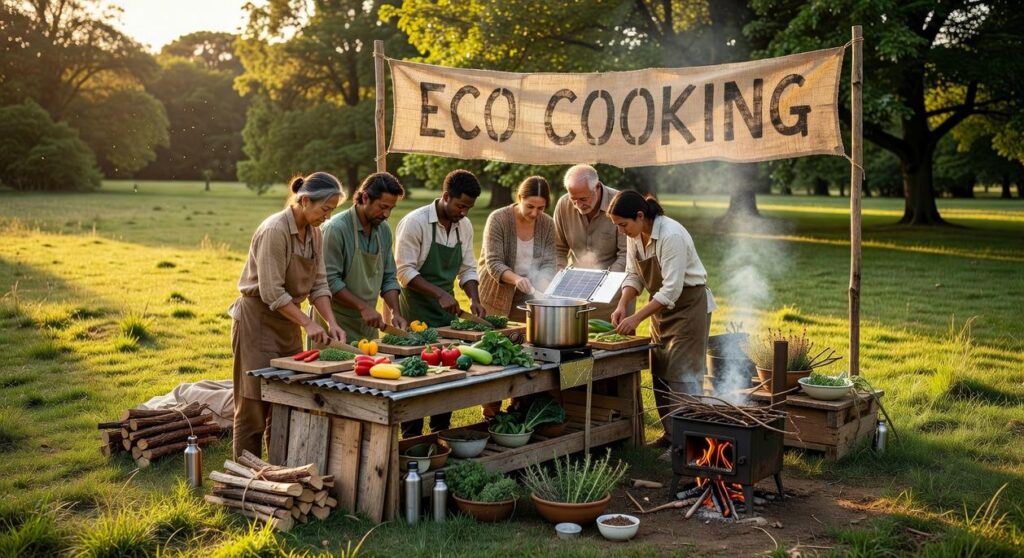
Transforming your kitchen into a more eco-conscious space doesn’t require a complete lifestyle overhaul—just smarter, more intentional choices. Many home cooks don’t realize how everyday habits, from ingredient sourcing to food storage, quietly shape their environmental impact. This guide is designed to help you adopt sustainable cooking practices through simple, practical steps that fit seamlessly into your routine. You’ll discover how to use energy-efficient appliances effectively, embrace root-to-stem cooking, reduce food waste, and maximize flavor while minimizing your carbon footprint. If you’re looking for realistic, convenient ways to cook responsibly without sacrificing quality, you’re in the right place.
Mindful Sourcing: The Foundation of a Green Kitchen
First, consider the power of local and seasonal food. When we talk about food miles, we mean the distance ingredients travel from farm to plate. Local strawberries in June versus imported berries in December is an A vs B choice: fewer transportation emissions and stronger community agriculture on one side, heavy fuel use on the other. Think farmers market haul versus cross country shipment; the flavor tells you who wins.
Meanwhile, embracing plant forward meals reshapes resource use. Reducing meat even one or two dinners a week lowers water and land demand. Beef burgers versus black bean burgers is another A vs B scenario; the latter requires far fewer natural resources according to FAO data. Hearty lentil stews, mushroom tacos, or chickpea curry can feel as satisfying as your comfort show binge.
However, smart shopping matters as much. Buying in bulk reduces packaging waste, yet buying only what you need prevents spoilage. Bulk rice versus an oversized box of salad greens highlights the balance. Plan meals around produce first, then build shelf stable dishes later, a rhythm that supports sustainable cooking practices and keeps your fridge from turning into a science experiment.
Energy-Efficient Cooking: Smarter Techniques for a Cooler Planet

Let’s start with the heavy hitters. A conventional oven typically uses between 2,000 and 5,000 watts, while a microwave averages 600–1,200 watts, and an electric pressure cooker runs around 700–1,000 watts (U.S. Department of Energy). In plain terms, watts measure how much power an appliance draws per hour. Because microwaves and pressure cookers cook faster and heat smaller spaces, they generally use less total energy. It’s the difference between heating a studio apartment and a stadium (unless you’re hosting the Avengers, you probably don’t need the stadium).
Meanwhile, the “one-pot” approach is a quiet hero. Cooking chili, stew, or curry in a single vessel reduces burner or oven time and minimizes cleanup. Batch cooking—preparing multiple meals at once—means you use the stovetop or oven once instead of three or four times throughout the week. Over months, that adds up to meaningful savings and supports sustainable cooking practices without extra effort.
Now, for some simple physics. Heat escapes quickly, so always use a lid to trap it. Match your pot size to the burner to avoid wasted heat spilling around the sides. And turn off the stove a few minutes early; residual heat (the warmth that lingers after power is off) can finish the job.
Finally, consider convection ovens. They circulate hot air with a fan, cooking food up to 25% faster and at temperatures about 25°F lower, cutting energy use by roughly 20% (Energy Star). In other words, smarter airflow equals cooler bills.
The “Root-to-Stem” Philosophy: Eliminating Food Waste
The root-to-stem philosophy—using every edible part of an ingredient—isn’t just trendy; it’s practical. The USDA estimates 30–40% of the U.S. food supply goes to waste (USDA). Critics argue it’s unrealistic for busy households (who has time to save carrot tops?), but small shifts make a big difference.
Give Scraps a Second Life
Think of scraps as ingredients in disguise. Vegetable peels and onion ends become a rich stock. Broccoli stems? Slice thin for slaw with lemon and salt. Herb stems blend into pesto just as well as leaves (yes, even cilantro). Citrus peels infuse vinegar for DIY cleaner—very “minimalist influencer” energy. It’s sustainable cooking practices without the preachy vibe.
Pro tip: Keep a freezer bag labeled “stock heroes” for odds and ends.
Mastering Food Storage
Proper storage is the unsung hero of waste reduction. Store herbs like a bouquet in water; they’ll last days longer. Keep potatoes and onions separate in a cool, dark place—together, they spoil faster. Wilted greens? A 10-minute ice bath revives them like a rom-com makeover montage. Some say this is fussy. But tossing slimy spinach is fussier.
For more on ingredient longevity, see why seasonal ingredients matter more than ever.
The Art of the Repurposed Meal
Leftovers deserve a sequel. Rice becomes fried rice. Stale bread transforms into croutons or panzanella. Roast chicken reincarnates as tacos or soup—call it the culinary multiverse. Opponents claim leftovers are boring. Not if you treat them like plot twists instead of reruns.
Water-Wise Habits for Every Kitchen
I’ll say it: boiling vegetables is overrated. Steaming uses far less water and keeps more nutrients intact (vitamin C especially tends to leach out when submerged, according to Harvard T.H. Chan School of Public Health). When you boil, you’re basically washing flavor and goodness down the drain. Steaming feels like the smarter move—less waste, brighter taste.
Then there’s what I call the “liquid gold” hack:
- Save pasta or veggie water for soups, bread dough, or even plants.
That starchy, nutrient-rich water adds body and depth. It’s one of the easiest sustainable cooking practices you can adopt.
Making Every Meal an Act of Sustainability
You came here looking for practical ways to make your time in the kitchen more meaningful—and now you have a toolkit of sourcing strategies, energy-saving techniques, and waste-reducing habits to do exactly that. When environmental challenges feel overwhelming, it’s easy to feel powerless. But the truth is, change starts at home. Embracing sustainable cooking practices isn’t about limitation—it’s about creativity, resourcefulness, and building a deeper connection to every ingredient you use.
Start small. Choose one new method from this guide and try it this week. Consistent action creates lasting impact. For more expert-backed kitchen insights and trusted culinary guidance, explore our latest updates and transform your kitchen into a force for good today.