Weeknights shouldn’t feel like a race against the clock. If the daily 5 PM dinner scramble leaves you stressed and reaching for takeout, you’re not alone. This guide is designed to help you take back control with a practical, proven system for preparing delicious, home-cooked meals ahead of time. Built from years of hands-on kitchen testing and real-world refinement, it focuses on what actually works for busy schedules. Inside, you’ll discover actionable planning tips, smart storage solutions, and meal prep strategies that transform chaotic evenings into calm, satisfying routines—saving you time, money, and energy all week long.
The Blueprint: How to Plan Your Meals Without the Headache
Meal planning sounds simple—until you’re staring into the fridge at 6:17 p.m. wondering how cheese and half a cucumber became dinner. The fix isn’t perfection. It’s a practical system.
Start With Your Schedule
Look at your week honestly. Late meetings? Kids’ activities? Plan your easiest meals there—think grain bowls or wraps. Ambition is great, but Tuesday doesn’t care about your gourmet dreams (it barely survives). When you match meals to energy levels, follow-through gets easier.
Shop Your Kitchen First
Take five minutes to scan your pantry, fridge, and freezer. That forgotten bag of rice? The frozen chicken? Build from what you already have. The USDA estimates 30–40% of the U.S. food supply is wasted (USDA), often from overbuying. A quick inventory saves money and guilt.
- Check expiration dates and group items by use (proteins, produce, grains).
The “Mix-and-Match” Method
Choose 2–3 proteins, 3–4 vegetables, 1–2 grains, and 1–2 sauces. Combine them into bowls, salads, or wraps. This flexible framework beats rigid recipes and adapts to cravings.
Create a Simple Template
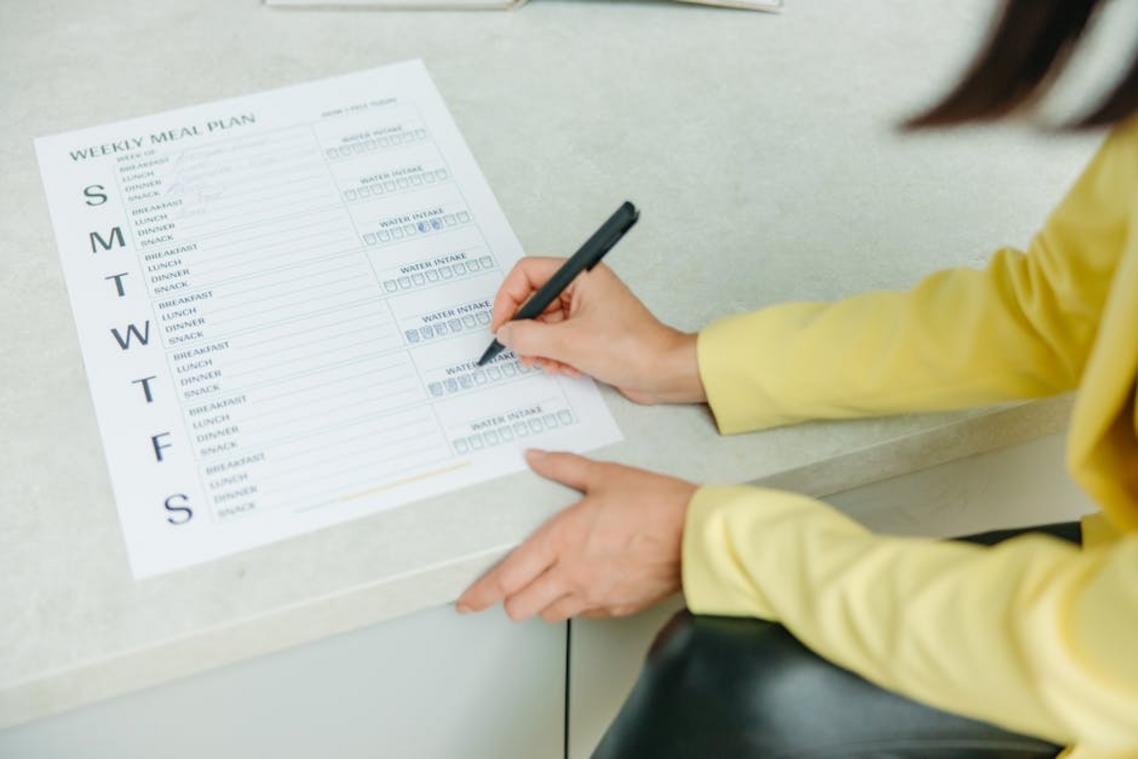
Use a notes app or whiteboard. Assign components to days. Keep it visible. Consistency—not complexity—wins with smart meal prep strategies.
The Art of the Prep: Your Sunday Reset for the Kitchen
Think of Sunday as your kitchen’s soft reboot. Not a full factory reset—just enough to prevent Wednesday-you from ordering takeout again (no judgment… mostly).
The “Mise en Place” for the Week
Mise en place is a French term meaning “everything in its place.” In restaurants, it’s how chefs avoid chaos. At home, it’s how you avoid staring into the fridge like it’s going to text you dinner ideas. Dedicate a 60–90 minute block to prep ingredients. This is the single most impactful step.
Some argue fresh is best and daily prep keeps flavors brighter. Fair. But realistically, most of us don’t have time for nightly chopping montages. A short reset now saves hours later—and keeps healthy choices within reach.
Wash and Chop All Vegetables
Wash, dry, and chop produce in one go. Store onions and peppers in airtight containers. Keep heartier greens like kale in water to stay crisp. (Yes, kale deserves spa treatment.)
Cook Your Grains and Legumes
Prepare a big batch of rice, quinoa, or lentils. These versatile bases reheat beautifully and anchor bowls, soups, and stir-fries all week.
Marinate Your Proteins
Seal chicken, beef, or tofu in marinade bags. This tenderizes and infuses flavor, so dinner cooks fast on busy nights.
Mix Your Dressings and Sauces
Homemade vinaigrettes and sauces transform basics into crave-worthy meals. Store them in jars and shake before using.
Pro tip: Rotate flavors weekly to prevent “leftover fatigue.” For extra finesse, review this beginners guide to balancing flavors in home cooking.
Smart meal prep strategies turn your fridge into a launchpad, not a mystery box.
Mastering the Batch: Cooking Methods That Work for You
Batch cooking isn’t just a Pinterest trend—it’s backed by data. A 2017 study in the International Journal of Behavioral Nutrition and Physical Activity found that people who cook at home more frequently tend to have healthier diets and lower body fat levels (Mills et al., 2017). In other words, mastering a few smart systems can genuinely shift your health trajectory.
Component Cooking vs. Full Meals
First, decide your strategy. Component cooking—prepping proteins, grains, and vegetables separately—gives you flexibility throughout the week. Think grilled chicken, roasted broccoli, and quinoa that can become tacos on Tuesday and grain bowls on Wednesday (leftovers, but make it fashion).
On the other hand, full-meal prep—like lasagna, curry, or soup—works beautifully for grab-and-go lunches. Research from the USDA shows that convenience strongly influences food choices, so having a ready-made option reduces reliance on takeout.
The Sheet Pan Miracle
Next, embrace the sheet pan. Toss chopped vegetables and a marinated protein with oil and seasoning, then roast at 400°F for 20–30 minutes. You’ll get multiple servings with minimal cleanup. Fewer dishes = higher odds you’ll repeat the habit (behavioral science 101).
The Slow Cooker/Instant Pot Advantage
Meanwhile, slow cookers and pressure cookers shine for “dump-and-go” recipes like chili or pulled pork. Set it, forget it, and free up time for other meal prep strategies.
Building Grain Bowls and Salads
Finally, assemble bowls using pre-cooked grains and chopped veggies. Keep dressing separate to prevent sogginess. Pro tip: store components in clear containers—visibility increases follow-through, according to behavioral design research.
Preserving Perfection: Smart Storage and Reheating
Quality storage starts with clarity. Choose airtight glass containers—meaning they seal out air and moisture to slow spoilage. Glass doesn’t absorb stains or odors, and it’s oven- and microwave-safe, which simplifies reheating. Next, follow the 3-Day Rule: eat refrigerated meals within three to four days for flavor and safety, as the USDA advises. For longer storage, cool food before freezing to prevent ice crystals—ruin texture. When reheating, use the oven to avoid rubbery results; add water to rice or pasta in the microwave to rehydrate. These meal prep strategies keep leftovers tasting intentional.
Your First Step to a Stress-Free Kitchen
You came here looking for a simpler way to handle weeknight meals—and now you have a complete, four-step system to make it happen. Instead of scrambling at 6 p.m. and wondering what’s for dinner, you can enjoy the calm confidence of a ready-to-heat meal waiting for you. That daily stress is replaced with a plan that actually fits your life.
The reason this works is simple: it’s built on flexible components, not rigid recipes, so you avoid burnout and food boredom while still saving time.
Don’t overhaul everything at once. Start small. Pick one sheet pan dinner from this guide and prep it this weekend. Join thousands of home cooks who trust our proven kitchen strategies—try it now and make Monday night effortless.