If you’re looking for smarter ways to cook, eat, and enjoy better flavors at home, you’re in the right place. Today’s home cooks want more than just recipes—they want clear guidance, creative inspiration, and practical techniques that actually work in a busy kitchen. This article delivers exactly that: culinary pulse updates, gourmet dish breakdowns, actionable cooking tips, detailed flavor profiles, and meal prep strategies that make everyday meals more efficient and exciting.
We’ve analyzed emerging food trends, tested techniques in real home kitchens, and distilled insights from professional culinary practices to ensure every recommendation is practical and results-driven. Whether you’re refining your knife skills, experimenting with bold flavor pairings, or streamlining your weekly cooking routine, you’ll find guidance grounded in hands-on experience and proven methods.
By the end, you’ll have a clearer understanding of how to elevate simple ingredients, save time without sacrificing taste, and bring restaurant-level thinking into your own kitchen.
Reclaim Your Weeknights: A Smarter Way to Eat Well
After battling I-95 traffic or a late Metro-North train, cooking can feel impossible. So takeout wins—again. However, with the right meal prep strategies, weeknights shift from frantic to functional. Start by batch-cooking staples (think roasted vegetables, farro, grilled chicken) on Sunday. Next, store them in airtight containers—commercial kitchens call this mise en place, meaning “everything in its place.” Then mix and match flavors through the week to avoid menu fatigue. Yes, skeptics say leftovers are boring. Not if you rotate sauces and textures (hot honey saves lives). Ultimately, planning once frees five evenings—no superhero cape required.
Choosing Your Meal Prep Style: Find the Perfect Fit
Not all meal prep is created equal. Choosing the right approach isn’t about discipline—it’s about design. The best system is the one you’ll actually stick to (because aspiration doesn’t survive a busy Wednesday).
The Three Core Approaches
Batch Cooking means preparing large quantities of a full dish—like chili or lasagna—and portioning it out for the week. It’s efficient and comforting. Some argue it gets repetitive, and that’s fair. But if you value predictability and minimal daily effort, repetition can feel freeing, not boring.
Ingredient Prep focuses on components: roasted vegetables, cooked grains, marinated proteins. You mix and match daily. Critics say it requires more assembly time, but five minutes of combining beats 45 minutes of cooking from scratch.
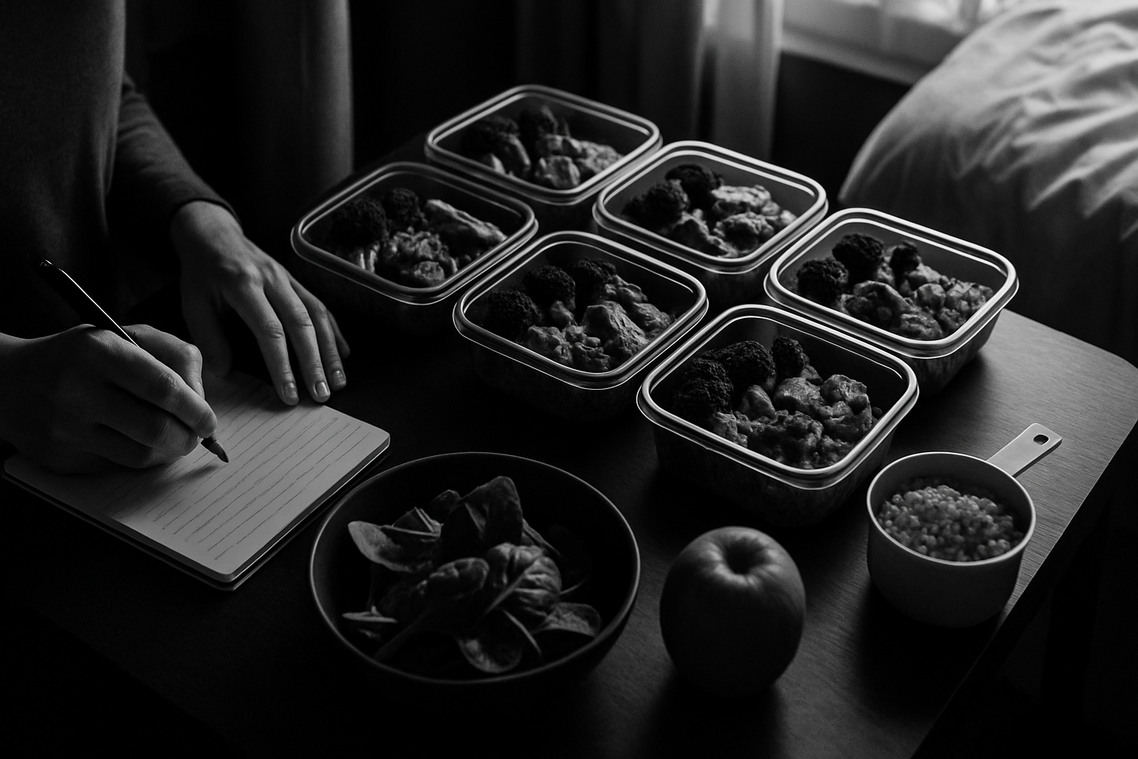
Portioned Meals are fully assembled, single-serve containers—think chicken, rice, and broccoli. They’re practical and great for portion control (a term meaning managing serving sizes intentionally). Detractors call them rigid, yet for tight schedules, structure wins.
Looking ahead, here’s some speculation: as grocery prices fluctuate and hybrid work continues, meal prep strategies will likely evolve toward flexible ingredient systems over fixed menus. Variety may become the default, not the exception.
The future? Probably customizable prep plans powered by smarter kitchen tech. Your fridge might soon suggest dinner (hopefully better than takeout ads).
The Essential Toolkit: Gear for Smart Meal Prep
You don’t need a chef’s kitchen to prep like a pro (despite what cooking shows imply). Still, the right tools can make the difference between feeling organized and feeling overwhelmed.
Containers are key. High-quality, airtight glass containers don’t stain, trap odors, or warp in the microwave. Plastic is lighter and cheaper—some argue it’s “good enough.” Maybe. I’m not entirely sure where the break-even point is on cost versus longevity, but glass tends to win on durability and food safety (Harvard Health notes concerns about certain plastics and heat exposure).
The sheet pan hero. One sturdy pan lets you roast vegetables and proteins together with minimal cleanup. (Less scrubbing, more eating.)
Time-saving appliances:
- FOOD PROCESSOR for rapid chopping
- Slow cooker for hands-off batches
- Rice cooker for reliable grains
Use meal prep strategies in the section once exactly as it is given.
Pro tip: Buy tools you’ll actually use weekly—not the gadget that looks cool but collects dust.
The 2-Hour Weekend Workflow: Your Step-by-Step Plan
You can wing it every night—or you can invest two focused hours on Sunday and coast through the week. Option A: daily scrambling, multiple grocery runs, and too many dishes. Option B: one streamlined session that sets up five calm, controlled evenings. The difference isn’t motivation; it’s structure.
Step 1: Plan & Shop (30 mins)
First, choose 2–3 recipes and build a detailed grocery list organized by store section. This prevents “aisle ping-pong” (we’ve all done it). A written plan reduces impulse buys and food waste, which the USDA estimates costs the average household over $1,500 per year (USDA, 2023). In contrast, unplanned shopping almost guarantees duplicates and forgotten essentials.
Step 2: Wash & Chop (30 mins)
Next, prep all produce at once. Wash greens, chop onions, dice peppers. Compared to chopping nightly, batching saves cleanup time and mental energy. Yes, it’s labor-intensive—but getting it done early builds momentum.
Step 3: Get Cooking – Stovetop & Oven (45 mins)
Then, overlap tasks. Start grains simmering while roasting vegetables and proteins. Sequential cooking (one item at a time) drags; parallel cooking maximizes output. This is where smart meal prep strategies shine.
Step 4: Cool Down (15 mins)
However, don’t skip cooling. Hot food in the fridge creates condensation, leading to soggy textures and potential bacterial growth (FDA food safety guidelines). Patience here protects quality.
Step 5: Portion & Store
Finally, portion into airtight containers and label with dates. If you need a refresher on fundamentals, review these 10 essential cooking tips every home chef should know: https://ttbskitchen.com/10-essential-cooking-tips-every-home-chef-should-know/
Two hours now—or daily chaos later. Your choice.
Beat Food Fatigue Without Starting Over
The biggest reason people quit meal prep? Boredom. The fix isn’t cooking more — it’s cooking smarter. These practical tweaks keep your weekly lineup tasting new without rebuilding your entire plan.
1. Build a Neutral Base
Cook proteins and grains simply: salt, pepper, olive oil. Then rotate flavors daily:
- Monday: pesto + cherry tomatoes
- Tuesday: teriyaki + sesame seeds
- Wednesday: chimichurri + lime
Same chicken. Totally different vibe. (It’s basically a culinary costume change.)
2. Add Freshness Last Minute
Texture prevents palate fatigue — when food tastes dull after repetition. Toss on fresh herbs, toasted nuts, citrus zest, or sliced avocado right before eating. Five seconds, big upgrade.
3. Rotate Cooking Methods
Grill this week. Slow-cook next week. Try sheet-pan roasting after that. Changing heat application alters flavor compounds through the Maillard reaction (the browning that creates depth) (Harvard T.H. Chan School of Public Health).
Pro tip: Keep a short rotation list of meal prep strategies so you’re never guessing — just swapping.
Common Meal Prep Pitfalls and How to Sidestep Them
Avoid these simple mistakes to ensure your success.
Overcomplicating the Menu: When you’re starting out, stick to simple, reliable recipes. Mastery, not novelty, builds confidence and saves hours.
Prepping the Wrong Foods: Leafy greens with dressing or breaded items turn soggy, costing flavor and motivation. Choose sturdy ingredients that last.
Forgetting Snacks: Hard-boiled eggs, portioned nuts, or veggie sticks with hummus keep energy steady and curb impulse grabs.
Smart meal prep strategies reduce waste, protect texture, and make healthy choices effortless, so you gain time, money, and peace of mind daily.
Your Blueprint for Effortless Weekday Meals
Weeknights don’t have to feel frantic. Start with one recipe this weekend and build confidence through simple meal prep strategies.
- Choose versatile ingredients
- Cook once, eat twice
- Pre-chop vegetables
Consistency turns stress into rhythm, making healthy, delicious dinners automatic effortlessly Tonight
Bring More Flavor and Less Stress to Your Kitchen
You came here looking for smarter ways to cook, better flavor combinations, and practical kitchen wins you can actually use. Now you have the tools to upgrade your dishes, simplify your routine, and feel more confident every time you step up to the stove.
Cooking frustration usually comes from the same pain point: not knowing what to make, how to balance flavors, or how to save time without sacrificing taste. With the right meal prep strategies, smarter ingredient pairings, and a few efficient kitchen hacks, you eliminate the guesswork and start creating meals that truly satisfy.
Now it’s your move. Pick one new flavor profile to experiment with this week. Try one of the meal prep strategies you learned and apply it to your next grocery run. Small, intentional changes lead to consistently better meals.
If you’re ready to stop wasting ingredients, reduce weeknight stress, and cook with more confidence, start implementing these tips today. Join thousands of home cooks who are already transforming everyday meals into gourmet experiences—one smart tweak at a time.