If you’re searching for the biggest food trends 2026, you want more than hype—you want to know what’s actually shaping menus, grocery shelves, and home kitchens this year. From bold global flavor crossovers to next-level plant innovation and tech-driven cooking upgrades, this guide breaks down the movements redefining how we cook and eat.
We analyzed emerging menu data, culinary industry reports, chef insights, and consumer behavior shifts to identify the trends gaining real momentum—not just social media buzz. Whether you’re a passionate home cook, a trend-savvy foodie, or simply looking to refresh your weekly meals, this article will help you understand what’s rising, why it matters, and how to bring these flavors into your own kitchen.
Get ready to explore the ingredients, techniques, and flavor profiles that are setting the tone for 2026—and discover how to stay ahead of the curve with confidence.
Your 2026 Culinary Roadmap: What to Eat, Cook, and Crave
Have you ever wondered what will actually change on your plate next year? While headlines chase gimmicks, the real food trends 2026 signal deeper shifts in flavor, farming, and technique.
First, expect climate-smart crops like drought-resistant grains and precision-fermented proteins to move mainstream. These aren’t lab novelties; precision fermentation—using microbes to create specific ingredients—already powers dairy alternatives (BCG, 2023).
So what should you try?
- Regenerative cacao with traceable terroir
- Seaweed-forward sauces rich in umami
- AI-assisted meal planning for zero-waste kitchens
Meanwhile, open-fire cooking returns, not as nostalgia but as flavor science. And yes, hyper-local tasting menus will feel less elite and more everyday.
Ready to cook smarter, not trendier?
The New Flavor Matrix: Umami, Spice, and “Swicy” Sensations
Today’s biggest flavor shifts aren’t louder—they’re DEEPER. Instead of piling on salt, chefs build umami (the savory “fifth taste”) with fermented ingredients like black garlic, aged miso, and nutritional yeast. Fermentation breaks down proteins into glutamates, which intensify savoriness (National Institutes of Health). The result? Richness without sodium overload. If you’ve ever wondered why restaurant vegetables taste fuller than yours, this is usually why.
Global Heat, Not Just Fire
Capsaicin is the compound that makes peppers hot, but heat alone is out. Nuance is in.
- Pasilla de Oaxaca: smoky, medium heat, subtle sweetness
- Gochugaru: fruity, bright, gentle warmth used in kimchi
These regional spices layer aroma, smoke, and fruit—not just burn. That complexity defines food trends 2026.
The ‘Swicy’ Takeover
“Swicy” simply means sweet + spicy. Think hot honey–glazed carrots or chili-maple Brussels sprouts. Sugar tempers heat, letting flavor linger longer (a little culinary chemistry at work).
Home Kitchen Hack: 5-Minute Swicy Glaze
Whisk:
- 2 tbsp honey
- 1 tbsp soy sauce
- 1 tsp chili flakes
- 1 tsp apple cider vinegar
Simmer 2 minutes. Brush over salmon, tofu, or roasted roots. Pro tip: add a pat of butter at the end for glossy finish.
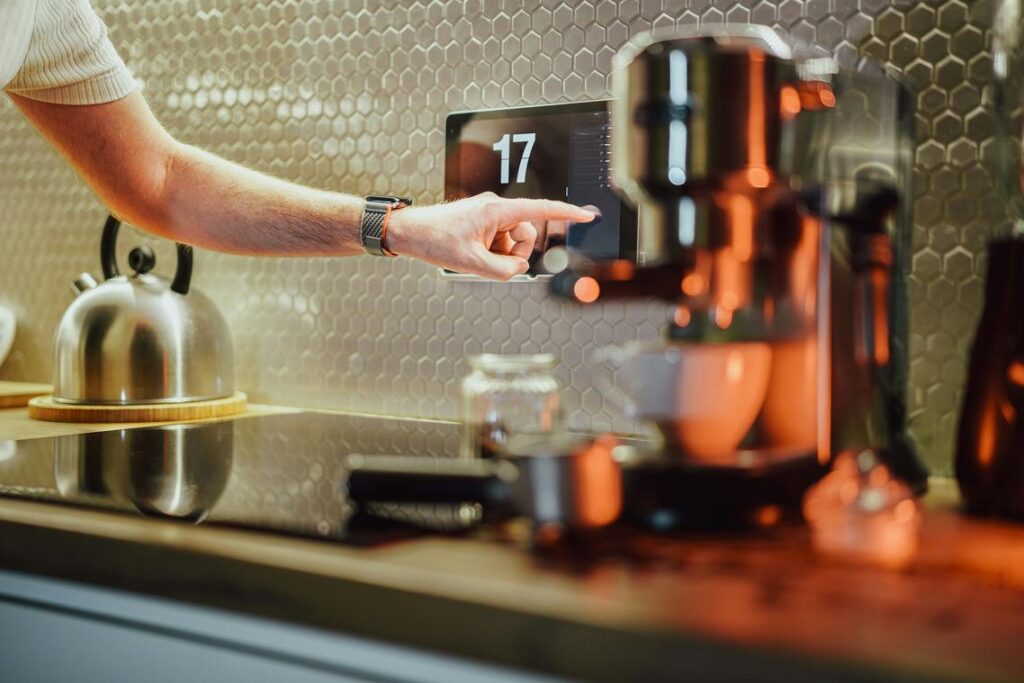
The Smart Kitchen Evolves: AI-Powered Personalization and Efficiency

Hyper-Personalized Nutrition
AI-powered meal planning is no longer a glorified calorie counter. Think of it as a culinary GPS: instead of just telling you where you are, it maps the fastest, healthiest route to where you want to go. These systems analyze biomarkers (measurable health indicators like blood glucose or cholesterol), pantry inventory, and flavor preferences to generate weekly menus tailored to you. Skeptics argue this removes intuition from cooking. But personalization doesn’t replace instinct—it refines it (like having a sous-chef who knows your cravings before you do). As interest in food trends 2026 grows, hyper-individual diets are quickly becoming mainstream.
Automated Precision
New smart ovens function like autopilot for your dinner. Using humidity and temperature sensors, they adjust heat in real time, ensuring perfect doneness without guesswork. Some critics say this takes the “art” out of cooking. Yet precision tools—like thermometers—have long improved results (and no one complains about those). Automation simply scales that precision.
Waste Reduction Tech
Smart refrigerators now track expiration dates and suggest recipes to prevent spoilage. It’s like having a vigilant kitchen librarian cataloging every ingredient. Less waste means more savings—and fewer guilt trips over wilted spinach.
Gourmet Application
For home chefs, mastering sous-vide (a controlled low-temperature water bath technique) or multi-stage roasting becomes far less intimidating. The technology acts as training wheels—steadying the bike until you’re ready to race on your own.
Conscious Consumption: Zero-Waste Ethos and Cellular Agriculture
I still remember the first time I made pesto from carrot tops. I’d planned to toss them (like I always had), but curiosity won. The result? Bright, peppery, and honestly better than the basil version. That moment nudged me into the root-to-leaf movement—a philosophy of using the entire vegetable, not just the “pretty” parts. Think broccoli stalk slaw with lemon and tahini, or crispy potato peels dusted with smoked paprika. Root-to-leaf means cooking from stem to seed to reduce waste and maximize flavor.
Upcycled food takes that idea further. Upcycled ingredients are foods made from items that would otherwise be discarded—like oat milk flour crafted from leftover pulp or broths brewed from vegetable peels. Some skeptics say this is just clever rebranding (and sure, marketing helps). But according to ReFED, upcycling can significantly cut food waste across supply chains.
Cellular agriculture—growing meat or seafood from animal cells without raising livestock—has also moved from novelty to select premium grocers in 2026. Texture and marbling have improved dramatically, addressing early criticism about taste (the rubbery prototypes are mostly gone). While critics question cost and scalability, McKinsey notes steady investment and tech gains year over year.
Chefs are pairing these innovations with earthy ferments and umami-rich broths, creating layered dishes that reflect broader food trends 2026. For deeper context, explore how seasonal ingredients influence modern cooking. Pro tip: start with one swap—carrot tops or upcycled flour—and build from there.
Putting 2026 Trends on Your Plate Today
If you want a head start on food trends 2026, don’t wait for restaurants to tell you what’s cool.
Start with fermentation. Fermentation (a natural process where microbes convert sugars into acids) builds deep umami—savory richness. Stir chopped chilies, garlic, and salt into a jar for hot sauce, or massage napa cabbage with salt for simple kimchi. In a week, you’ve got complexity Sriracha wishes it had (yes, I said it). Pro tip: Use 2% salt by weight for safe, balanced results (USDA).
Embrace the “ugly” vegetable. Misshapen carrots taste identical—cook them into soups or roast with olive oil. Waste less, save more.
One smart gadget: a precision scale. Baking and fermentation demand accuracy.
Build a “swicy” pantry:
- Hot honey
- Gochujang
- Chili crisp
- Maple syrup
Sweet plus heat? Always a win.
Bringing the Future of Food to Your Table
You’ve seen the shift—swicy sauces, AI-powered meal planning, zero-waste cooking. According to Whole Foods’ trend report and Mintel research, 70% of consumers now seek bold, global flavors, while smart kitchen appliance adoption continues to rise year over year (Statista). The food trends 2026 conversation isn’t hype; it’s measurable change.
Staying current doesn’t require a culinary degree.
Focus on:
- Complex flavors (think gochujang-honey glazes)
- Smart tech like app-guided air fryers
- Conscious consumption, including root-to-stem cooking
Start small. Try one zero-waste hack this week. (Your trash can—and taste buds—will notice.)
Bringing It All to Your Table
You came here to understand where the culinary world is headed—and now you have a clear, flavorful roadmap. From innovative ingredients to smarter kitchen techniques, these food trends 2026 insights give you the confidence to cook, experiment, and serve dishes that feel fresh and exciting.
The frustration of cooking the same meals on repeat or feeling behind on what’s trending doesn’t have to follow you into another year. With the right updates, practical tips, and flavor breakdowns, you can turn everyday meals into standout experiences.
Now it’s time to take action. Start by trying one new trend in your kitchen this week. Explore bold flavor pairings, test a modern plating style, or upgrade a classic dish with a trending twist. And if you want reliable, easy-to-follow culinary updates that keep you ahead of the curve, tap into our expert-backed insights—trusted by home cooks who want restaurant-level results without the guesswork.
Don’t let your kitchen fall behind. Discover what’s next, try something new today, and turn every meal into a trend-forward masterpiece.