
You want that silky, restaurant-quality risotto with a perfect all’onda flow—but instead, you keep ending up with rice that’s either gluey or watery. The difference isn’t luck. It’s technique. In this guide, we break down the four non-negotiable creamy risotto techniques that transform ordinary rice into a luxuriously textured dish. By explaining the science of starch release and emulsification, you’ll understand exactly why constant stirring, gradual stock additions, proper toasting, and the final mantecare step matter. Drawing on culinary research and professional kitchen standards, this article gives you the knowledge to achieve flawless risotto every single time.
It All Starts with Starch: Selecting the Right Rice
At first glance, rice is just rice. However, when it comes to risotto, the difference lies in starch—specifically amylopectin. Amylopectin is a type of starch molecule that swells and releases from the grain as it cooks. That release is what thickens the surrounding liquid, creating the silky sauce people often mistake for added cream (there’s usually none).
So which rice delivers the best results?
Carnaroli, often called the “king” of risotto rice, contains high starch levels and keeps a firm center, meaning it’s forgiving if you cook it a minute too long. Arborio, the most common option, also releases plenty of starch but can tip into mushy territory if overworked. Meanwhile, Vialone Nano absorbs liquid exceptionally well, producing an ultra-creamy finish.
On the other hand, long-grain varieties like basmati or jasmine lack sufficient amylopectin. The grains stay separate—great for pilaf, disastrous for creamy risotto techniques.
The “Tostatura”: The Critical Toasting Stage
The tostatura—the essential first cooking step where dry rice is toasted in fat like butter or olive oil with aromatics such as shallots or onions—sets the stage for everything that follows. In simple terms, you’re priming the grain. By gently heating the exterior, you create a thin barrier that regulates how liquid enters the rice.
Why does this matter? Food scientists note that gradual starch release is key to risotto’s signature texture (Harold McGee, On Food and Cooking). Skip this step, and the grains absorb broth too quickly, burst, and turn gummy. In contrast, proper toasting supports the slow starch diffusion central to creamy risotto techniques.
Here’s the technique: sauté aromatics until soft. Then add dry rice and stir constantly for 2–3 minutes. You’ll notice translucent edges and hear a faint clicking sound, while the center remains pearly white. That sound? Moisture evaporating—evidence you’re doing it right.
The Art of Hydration: Hot Broth and Patient Stirring
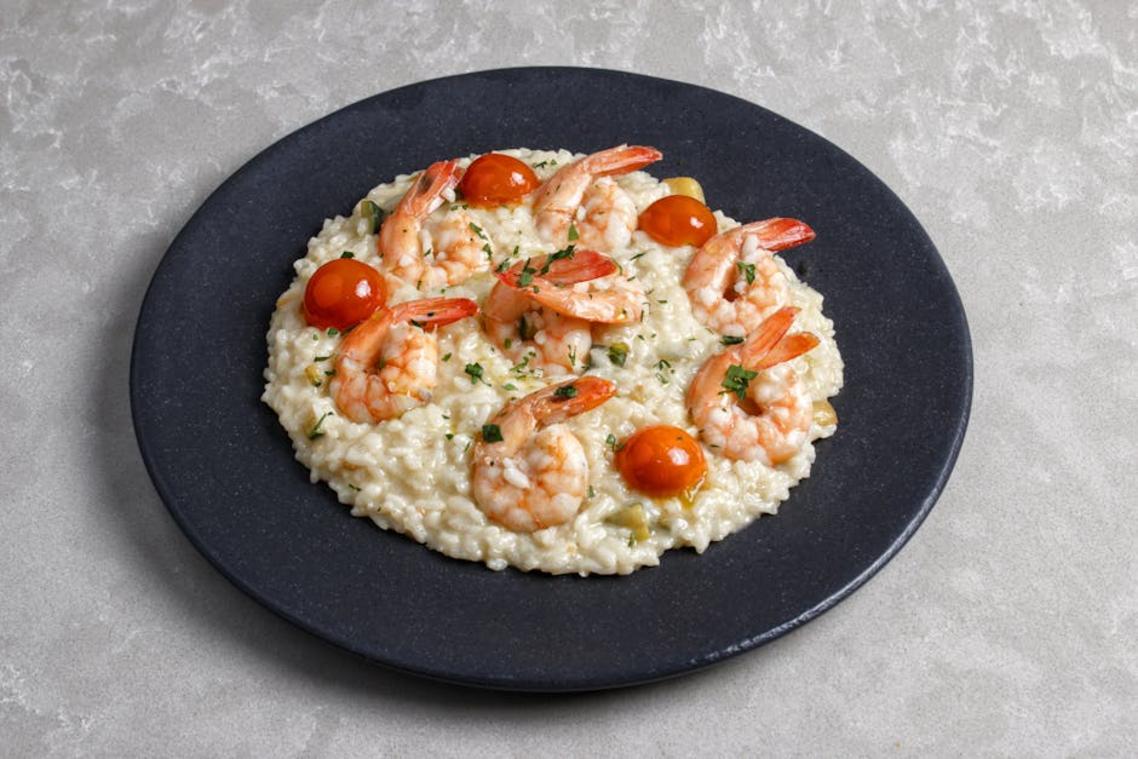
If you want risotto that’s luxuriously creamy instead of gluey, hydration is everything. The golden rule is simple: keep your broth at a hot simmer in a separate pot. Adding cold liquid “shocks” the rice—meaning it abruptly lowers the cooking temperature and interrupts starch release. The result? Tight, chalky centers instead of silky texture. Keeping it hot ensures steady cooking and consistent creaminess (the difference is night and day).
Then there’s the one-ladle method. Add a single ladle of hot broth and wait until it’s nearly absorbed before adding more. This gradual absorption:
- Builds flavor layer by layer
- Controls texture with precision
- Prevents soupy or uneven results
Yes, some argue you can dump in most of the broth at once and save time. Technically, you can. But you’ll sacrifice control—and risotto rewards patience with restaurant-level payoff.
Finally, stir gently and often. This agitation encourages grains to release starch, forming the sauce naturally—no cream required. Mastering these creamy risotto techniques means you gain consistency, confidence, and that signature spoon-coating finish.
For more ingredient-level mastery, explore deconstructing sushi ingredients techniques and presentation.
The “Mantecatura”: A Luxurious, Off-Heat Finish
Have you ever wondered why restaurant risotto feels silkier, looser, and somehow more alive than the one you make at home? The secret often lies in the final, transformative step: the mantecatura.
First, what is it exactly? Mantecatura (an Italian term meaning “to make creamy”) happens after the rice is perfectly al dente and the pot is off the heat. At this point, you add cold, cubed butter and finely grated Parmigiano-Reggiano. Why cold? Because temperature contrast is everything.
Next comes the magic. You vigorously stir—almost whip—the butter and cheese into the hot rice. This motion creates an emulsion, which is a stable blend of fat and liquid (think mayonnaise, but savory and rice-based). The starch released from the rice binds with the melting butter and cheese, turning the brothy base into a glossy, velvety sauce. It’s one of the foundational creamy risotto techniques that separates good from unforgettable.
Then, just when you’re tempted to serve immediately, pause. Cover the pot and let it rest for 1–2 minutes. This short wait allows flavors to meld and texture to settle into that signature, flowing consistency. So ask yourself: are you stirring… or are you truly finishing?
Troubleshooting Common Risotto Mistakes
Gummy or Pasty Risotto
When risotto turns heavy and gluey instead of luxuriously loose, it usually means the broth was poured in too quickly or the rice overcooked. You want grains that sigh open, not slump. Stir gently, follow creamy risotto techniques, and use the one-ladle method so each addition absorbs with a soft hiss. Taste often—the texture should feel silky, not sticky.
- Crunchy Center
If the middle bites back, the heat was too high or the broth too scarce. Lower to medium; listen for a gentle bubble, not a frantic boil. Add more hot broth as needed until the core feels tender with a faint, pleasant chew.
Bland Flavor
Flat aroma? Your broth lacked backbone. Season during the final mantecatura so the steam carries a savory, buttery perfume.
From Technique to Triumph
You came here to master the details that turn ordinary rice into something unforgettable—and now you have them. With the right rice, proper tostatura, patient ladling of hot broth, and that final mantecatura, you’re equipped to create dishes that are rich, balanced, and restaurant-worthy.
The frustration of bland, gluey results ends when you consistently apply these creamy risotto techniques.
Ready to perfect your next batch? Put these steps into practice tonight and transform your kitchen wins into signature dishes worth repeating.