
From bustling night markets to viral food trucks, street food popularity has surged into the global spotlight—and you’re likely here to understand why. Whether you’re a home cook looking to recreate bold flavors or a food enthusiast curious about the trend’s explosive growth, this article breaks down what’s driving the movement, which dishes are leading the charge, and how these on-the-go eats are reshaping modern dining.
We explore the cultural roots behind iconic street dishes, the flavor profiles that keep crowds lining up, and the practical techniques that bring authentic taste into your own kitchen. To ensure accuracy and depth, we’ve analyzed culinary trend reports, studied global food markets, and drawn insights from professional chefs who specialize in street-style cuisine.
By the end, you’ll not only understand the forces behind this rising phenomenon—you’ll know how to experience and recreate it with confidence.
Why Your Next Favorite Meal Is on the Street
Chain restaurants offer consistency; outdoor vendors offer character. One gives you the same burger in every city, the other gives you a taco shaped by a chef’s memory of Oaxaca. That difference matters. While franchises optimize for efficiency, hyper-local cooks chase flavor layering—building taste through technique and ingredient timing (think slow-braised meats finished with a flash of citrus). Critics argue street setups lack refinement. Yet carts rival bistros, driven by street food popularity and culinary ambition. So skip predictable reservations; follow locals in line. Pro tip: shorter menus mean fresher ingredients.
The Craving for Connection: More Than Just a Meal
The Authenticity Factor
I once bought a bowl of hand-pulled noodles from a corner vendor who told me the recipe came from her grandmother. Maybe it was the story, or maybe it was the chili oil that hit like a love letter to my taste buds, but it felt different from anything shrink-wrapped and shipped cross-country. And that difference matters.
Unlike mass-produced meals, local food carries fingerprints—heritage, risk, pride. Authenticity, in this sense, means food made with personal intention rather than corporate standardization. Some argue that big brands offer consistency and safety (fair point). But I’d trade uniformity for soul any day. Food should taste alive, not engineered.
Beyond flavor, there’s economic gravity. When you buy from an independent vendor, more of your dollar recirculates locally rather than flowing to distant shareholders (the American Independent Business Alliance notes local businesses return significantly more revenue to communities than chains). In practical terms, that means:
- More neighborhood jobs
- Stronger supplier relationships
- A thriving local food identity
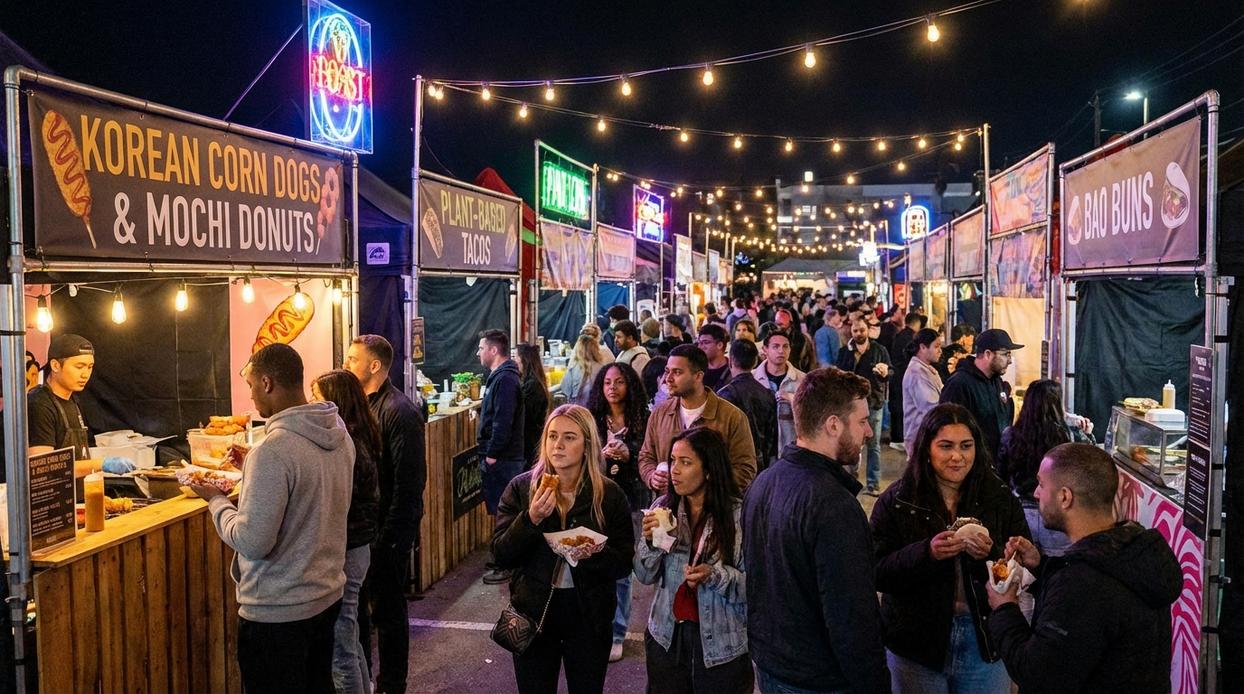
And then there’s the atmosphere. Markets and pop-ups aren’t just transactional spaces; they’re social glue. The rise in street food popularity shows people crave shared, informal experiences over sterile dining rooms. You stand shoulder to shoulder, debating sauces with strangers—suddenly dinner feels communal.
Finally, flavor. Short supply chains mean fresher, seasonal ingredients. Tomatoes taste brighter. Herbs smell louder (yes, louder). When food travels less, it loses less. To me, that vibrancy isn’t just culinary—it’s cultural.
The Chef’s Perspective: Why the Outdoors is the New Kitchen
Opening a traditional restaurant can feel like auditioning for a high-stakes reality show—leases, permits, staffing, equipment, and six-figure build-outs before serving a single plate. By contrast, a food truck, cart, or market stall dramatically lowers the barrier to entry. Instead of sinking capital into décor and long-term rent, chefs can invest in ingredients, technique, and concept. The difference is stark:
| Expense Category | Brick-and-Mortar | Food Truck/Market Stall |
|————————|——————|————————–|
| Lease & Utilities | High, fixed | Minimal or flexible |
| Build-Out Costs | Extensive | Compact setup |
| Staffing | Large team | Small, agile crew |
| Menu Flexibility | Limited | Highly adaptable |
As a result, the outdoors has become a testing ground for bold culinary ideas. Chefs can explore hyper-niche menus—single-origin tacos, fermentation-forward bowls, or dessert flights built around one fruit—without betting their life savings. This agility fuels street food popularity while quietly functioning as a live incubator for tomorrow’s restaurant concepts (think of it as culinary beta testing).
Moreover, proximity changes everything. When guests stand a few feet away, feedback is instant and unfiltered. A raised eyebrow at too much heat or a spontaneous compliment about texture becomes actionable data. Over time, that direct loop builds loyalty in a way polished dining rooms often can’t replicate.
For home cooks, there’s a lesson here. Instead of offering ten average dishes at your next barbecue, create a “pop-up” vibe around one signature item—perfect smashburgers or slow-roasted elote, for example. Refine it, brand it, repeat it. Focus beats frenzy every time.
An Experience for the Senses: The Allure of Open-Air Cooking
Open-air cooking is less a meal and more a symphony for the senses. The power of aroma works like an invisible invitation—smoke curling from charred meat, tomatoes collapsing into simmering sauce, bread blistering in a hot oven. Scent is a form of sensory marketing, meaning it influences behavior through smell (Harvard Business Review notes scent can increase perceived value and dwell time in retail spaces). One whiff, and you’re already halfway to ordering.
The theater of food transforms cooking into performance art. Watching a chef flip a pan is like seeing a magician reveal the trick—except the transparency builds trust instead of mystery. You see the freshness, the technique, the timing. (No suspicious back kitchen doors here.) This visibility mirrors the appeal explored in the hidden history of everyday kitchen tools, where tools become extensions of culinary storytelling.
• The sizzle acts like applause.
• The chatter becomes a living soundtrack.
Sound and atmosphere seal the deal. The clang of metal spatulas and bursts of laughter create energy you can taste. It’s no surprise that street food popularity continues to rise globally (Statista reports steady growth in the sector). Open-air cooking doesn’t just feed hunger—it stages it.
Finding your next great outdoor meal isn’t luck; it’s pattern recognition. Start by following digital breadcrumbs: search Instagram and Facebook hashtags like #YourCityFoodTrucks or #YourCityEats to see real-time plates and pop-ups. While competitors stop there, go deeper—scan Stories for limited drops and collaborations (they sell out first).
Next, look for the line. A steady queue of locals signals consistency, not hype. Skeptics say lines are overrated; fair—but empty stalls rarely hide greatness.
Finally, engage the chef. Ask, What’s your specialty? or What’s freshest today? You’ll unlock off-menu gems and ride the wave of street food popularity before everyone else does.
Join the Flavor Revolution
Back in 2019, many neighborhoods had just one or two food trucks. Fast forward to today, and street food popularity has transformed weekend parking lots into full-blown culinary festivals (yes, the kind worth canceling brunch plans for).
You already know the forces behind it: authenticity, community, and culinary freedom. So why settle for bland, predictable meals?
Instead:
- Visit a local market this week
- Try one dish you can’t pronounce
- Chat with the vendor about their process
After just one visit, you’ll taste the difference—and feel more connected to your city’s evolving flavor story.
Bring Bold Flavor Home Tonight
You came here craving a deeper understanding of what’s driving street food popularity and how to recreate those unforgettable flavors in your own kitchen. Now you know it’s all about vibrant spices, smart techniques, layered textures, and the confidence to experiment.
The real frustration isn’t finding inspiration—it’s making dishes at home that taste as exciting as what you grab from your favorite vendor. Bland results, guesswork with seasoning, and inconsistent textures can make cooking feel disappointing instead of fun.
The good news? With the right flavor pairings, heat control, and simple kitchen hacks, you can turn everyday ingredients into bold, crave-worthy meals that rival any street-side bite.
Ready to level up your home cooking? Start applying these tips in your next meal and explore more flavor breakdowns and kitchen-tested tricks to master your favorite street-inspired dishes. Thousands of passionate home cooks are already transforming their kitchens—now it’s your turn to fire up the stove and make every bite unforgettable.