
Ever tasted a dish so satisfying you had to ask, “What makes this so good?” It’s not just luck or a secret sauce. It’s the umami flavor profile at work. This isn’t just the opposite of sweet.
It’s a deep, mouth-watering experience that keeps you coming back for more. I’ve spent countless hours in my kitchen (experimenting,) failing, tweaking. To master these flavors.
Why? Because understanding savory is like unlocking a secret code to deliciousness.
Think of this as more than just a list of ingredients. It’s about the ‘why’ behind what makes food taste so good. You’ll get a practical guide here.
A clear path to build these flavors at home. By the end, you’ll know how to create that dish that makes people ask, “What’s your secret?”
More Than a Buzzword: What Does ‘Savory’ Actually Mean?
Let’s talk about savory. We throw this word around a lot, don’t we? But what does it really mean?
In simple terms, savory is like a deep, satisfying experience. It’s rich, often meaty, and it just… sticks with you.
Now, let’s get nerdy. Ever heard of the umami flavor profile? This is our scientific backbone.
It’s one of the five basic tastes. You know the list: sweet, sour, bitter, salty, and umami. It’s that distinct savory taste, sparked by glutamates (yes, those things in MSG).
Think of umami as the lead singer in a band. It stands out, but it’s the combo of salt, fat, and aroma that makes the whole experience incredible. You need all of them to create magic.
Imagine a tomato, bursting with flavor. Not just salty or sweet, but something complex.
Here’s a pro tip: don’t mistake savory for just salty. That’s too simple. Savory is more like a symphony.
It’s subtle (there, I said it!). You’ll find it in surprising places too, like in vegetables. Yes, even fruits can have savory qualities.
A common misconception is that savory only applies to meat dishes. Not true. You can find this depth in plant-based foods as well.
Curious about how to bring out these flavors in vegan dishes? This guide might just be what you’re looking for.
So, the next time you savor a dish, remember: it’s not just the umami. It’s the whole ensemble playing together. What’s your favorite savory indulgence?
Your Savory Pantry: Flavor Arsenal
Stocking your pantry with the right ingredients is like having a secret weapon. Let’s dive into the essentials that pack a punch and create a delicious umami flavor profile.
First up, those ingredients naturally rich in glutamates. Ever wonder why that pasta sauce tastes so good? It’s the ripe tomatoes (especially when cooked) doing their magic.
Mushrooms like shiitake and porcini? They’re not just for fancy dinners. They bring a depth that can turn a basic dish into something extraordinary.
And aged cheeses like Parmesan? They’re not just for grating on your spaghetti. They add a savory depth that’s hard to beat.
Then there’s kombu, a type of seaweed used in Japanese cooking. It’s the backbone of many broths, adding layers of flavor you didn’t know you needed.
Now, let’s talk about fermented powerhouses. Soy sauce, miso paste, fish sauce, and Worcestershire sauce aren’t just condiments. These are flavor bombs!
The fermentation process cranks up their complexity, making them important in any kitchen. Soy sauce adds that salty-sweet balance, while miso paste offers a rich, umami kick. Fish sauce?
It’s the secret behind many Southeast Asian dishes. Worcestershire sauce? It’s like a flavor chameleon, perfect in everything from marinades to Bloody Marys.
Meats and broths are up next. Slow-cooked meats and bone broths create a savory foundation that’s tough to match. Think about a good stew or soup.
Without these, you’re just boiling water. And cured products like bacon or prosciutto? They bring a savory richness that elevates any dish.
Finally, aromatic vegetables. Onions, garlic, and leeks might seem basic, but they form the backbone of countless dishes. When cooked, they release flavors that make everything taste better.
Seriously, try cooking onions low and slow. You’ll thank me later.
Want more about the umami flavor profile? It’s fascinating how these ingredients come together to create something unforgettable. So, load up your pantry with these essentials and watch your cooking transform.
The Chef’s Secret: Techniques That Create Savory Flavors
Let’s talk techniques. We often get lost in the grocery aisles, obsessing over ingredients. But here’s the truth: how you cook is just as key as what you cook.
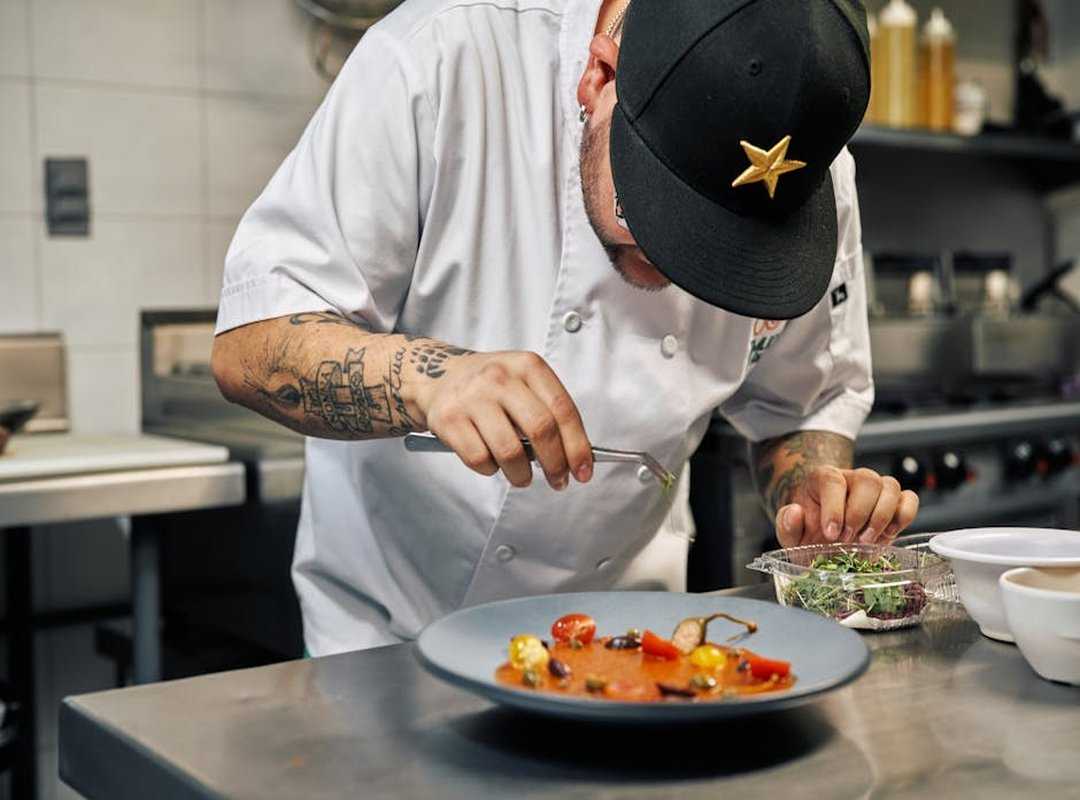
Take the Maillard Reaction, for instance. It’s this insane chemical reaction that happens when you brown a steak. Ever wonder why that crust tastes so good?
It’s because of the magic of the Maillard. The secret? Use a screaming hot pan and keep food dry.
Too many cooks overcrowd the pan, and that’s a rookie mistake.
Now, let’s not confuse that with caramelization. That’s all about sugar. When onions cook slowly, they get sweet and transform into a rich, savory delight.
They melt into something almost luxurious. Both techniques can boost the umami flavor profile in your dishes, creating a depth that’s hard to beat. It’s not just about taste.
It’s about the experience.
Roasting and slow-cooking aren’t just for lazy Sundays. They’re game-changers for any meal. Roasting those root vegetables until they’re crispy and golden?
Or slow-cooking a stew until it’s mouthwateringly tender? It’s about developing flavors over time. The longer you cook, the richer the notes become.
These methods break down components, and you end up with something comforting and delicious.
Then there’s deglazing. This handy trick involves adding liquid to a pan to scrape up all those delicious browned bits, known as fond. That stuff?
It’s liquid gold for your sauces. Wine, broth, or even water can work. What you’re doing is building layers of flavor, making any sauce taste like a culinary triumph.
Curious about seasoning and how to make the most of your herbs? It’s like giving your dishes an extra dash of pizzazz. You can check out popular herbs best uses to learn how to maximize their potential.
Trust me, these simple techniques can raise your cooking game. It’s not just about following a recipe. It’s about understanding the “why” behind each step.
You’ll never look at a simple dish the same way again. Cooking is an art. Make it yours.
Flavor Layering: The Savory Symphony
Bringing together savory elements is an art. It’s like composing a song where each note plays its part. You want to create a bold umami flavor profile that sings.
Start with your base. Think sautéed garlic or onions. They set the stage.
Next, add the body. This could be protein like ground beef or mushrooms. They provide substance.
Now, deepen the experience with a fermented sauce or paste like soy sauce or miso. This is where things get interesting.
Finally, finish strong. Aged cheese or fresh herbs can raise the dish. Imagine a simple pasta sauce: garlic, beef, tomato paste, and a touch of soy, crowned with Parmesan.
Or a mushroom soup with onions, seared mushrooms, miso, and thyme.
These layers work together, creating something greater than the sum of its parts. Isn’t that what good cooking is all about? Try it.
You’ll taste the difference.
Unlocking Flavor: Your Kitchen Adventure Begins
You’ve taken the first step in ditching blandness. We’ve covered how to transform ordinary meals with the umami flavor profile. Frustrated with one-dimensional dishes?
Now you know it’s about pairing the right ingredients with smart techniques.
I challenge you: try browning onions or deglazing a pan in your next meal. Notice how flavors deepen. Feel that satisfaction?
That’s you, conquering the kitchen.
TTBS Kitchen offers more tips for your culinary journey. Ready to raise your cooking game? Dive into our resources and experience the taste revolution.
Your taste buds will thank you.