

You ever wonder how your plate connects to global warming? Most folks don’t. But here’s the thing: our food choices seriously impact the planet. Climate change food isn’t just some trendy buzzword.
It’s reality. The way we grow, transport, and consume food is heating the Earth. That’s not just my opinion; scientists across the globe agree.
And it’s not just about the obvious stuff like beef production or food miles. It’s deeper. You might be asking, what’s my role in all this?
Can a single person’s plate make a difference? Well, yes, it really can.
We’ll dive into the complexities of food and climate and how they intertwine, breaking it down without the jargon. Understanding this can help you make informed choices. I’m not here to preach, but to the facts.
Expect takeaways that cut through the noise and leave you with a clear picture of what’s really happening.
Your Plate’s Secret: Food’s Carbon Footprint
Ever thought about the carbon footprint of your dinner? It’s like an invisible cost to our planet, hidden in the journey from farm to fork. Every meal has a story, and some tales are more eco-heavy than others.
Imagine food miles like the distance a car travels. Just like driving a few miles is lighter on gas, sourcing food locally can cut down on emissions. Pretty neat, huh?
Let’s break it down. Red meat? Sure, it’s delicious, but it requires more land and water than plants.
Raising livestock is resource-heavy, demanding a lot of space and food. Poultry and fish are friendlier to the planet, but not perfect. Dairy products also leave a mark, while vegetables and legumes are more climate-conscious choices (thank your salad for that).
Here’s a quick look at the climate impact of different food groups:
- Red Meat: High impact
- Poultry: Moderate impact
- Fish: Lower impact
- Dairy: Moderate impact
- Vegetables: Low impact
- Legumes: Low impact
Now, think about food waste. Every bit of wasted food represents wasted resources. Water, energy, land.
When we toss out that uneaten apple or let leftovers go moldy, we’re not just wasting food. We’re tossing out the work and energy that went into producing it. It’s a major player in climate change.
So, how do we tackle this? Start with one small change. Maybe try incorporating more plant-based meals.
For more takeaways on this and how it fits into the larger picture, check out the sustainability culinary world today.
Embrace Plant-Forward Eating: It’s Easier Than You Think!
Let’s talk about plant-forward eating. It’s not about ditching meat entirely (who can resist a good steak once in a while?). Instead, it’s about adding more plants to your meals.
Simple, right? This approach is flexible, not fanatical.
Why consider it? Well, it’s good for you and the planet. Studies show that future warming from global food consumption could be reduced by eating more plant-based foods.
Sounds like a win-win to me.
to “The Power of Pulses.” Lentils, chickpeas, beans. They’re affordable, packed with protein, and low-impact. These pantry heroes can transform your meals.
Ever tried swapping half the ground meat in your spaghetti sauce for lentils? You should. It’s like a magic trick for your taste buds and your wallet.
Need tips to start? Try “Meatless Mondays.” It’s just one day, and you’ll find it easier than expected. Mushrooms can be a game-changer too.
They bring a “meaty” texture to dishes without sacrificing flavor.
Recipe swaps are another great option. Instead of beef chili, why not try a three-bean and sweet potato chili? Or blend white beans into your pasta sauce for a creamy, protein-rich boost.
Trust me, it’s delicious.
What about flavor? Plant-forward doesn’t mean bland. Herbs, spices, and clever cooking techniques can raise any dish.
Think roasted veggies with garlic and rosemary. Or a sprinkle of smoked paprika to add depth.
Remember, this isn’t about perfection. It’s about making choices that feel right for you. And who knows?
You might just find a new favorite dish along the way. So, let’s embrace plant-forward eating. For our health but for the world too.
The Zero-Waste Kitchen: Save Food, Save the Planet
Let’s cut the nonsense. Food waste isn’t just a failure; it’s a missed opportunity. Think about it.
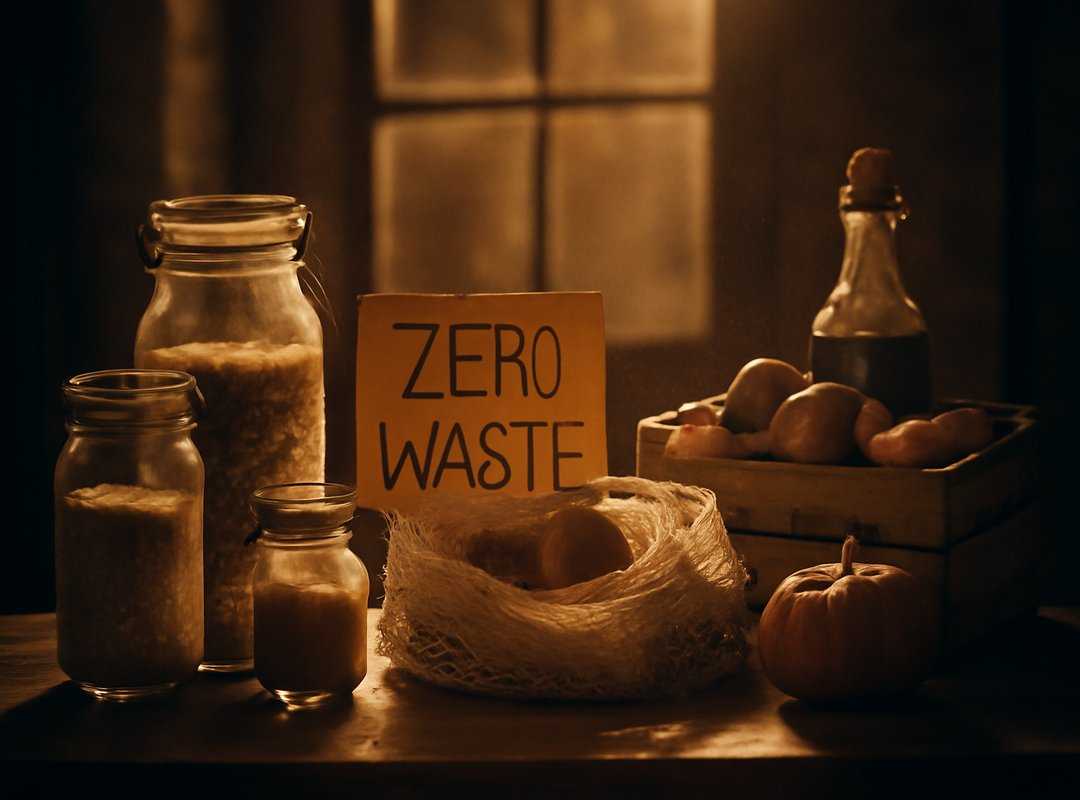
Every broccoli stem or vegetable peel tossed away is creativity lost. And savings too. Instead of trashing food scraps, let’s get inventive.
I love turning broccoli stems into slaw. It’s crunchy, fresh, and frankly, better than most salads. Vegetable peels?
Perfect for stock. Stale bread? Croutons or breadcrumbs, easy.
These aren’t just tips. They’re game-changers.
Now, about storage. It’s a science, not a chore. Take herbs.
Wrap them in a damp paper towel and keep them in a bag. They’ll stay fresh longer. Greens?
Store them with a paper towel to soak up moisture. Leftovers? Freeze them properly, and they’re ready for a quick meal anytime.
Leftovers don’t need to be boring. Turn roasted vegetables into a frittata. It’s breakfast, lunch, or dinner.
Leftover chicken? Shred it for tacos or toss it into a hearty soup. These are more than recipes; they’re solutions.
Composting is the final frontier. When food scraps can’t be eaten, compost them. It’s turning waste into a resource.
Soil loves it.
Here’s a thought: fighting climate change food waste isn’t just noble. It’s necessary. And it starts in your kitchen. (Pro tip: Start small.
Curious about modern cooking techniques? Check out the rise fermentation modern cooking. It’s another way to dive into sustainable cooking.
Pick one habit to change. You’ll feel the difference.)
In the end, it’s about choices. Do we waste or do we create? I say we create.
The kitchen is our canvas. Let’s paint it green.
Shop Smarter: Local and Seasonal Choices Matter
Ever thought about how far your food travels? That’s the idea behind “food miles.” When you shop locally, you’re chopping down that transportation footprint. Less travel means less fuel and fewer emissions, which is why it’s a smart choice for anyone worried about climate change food issues.
Finding local food sources isn’t rocket science. Head to a farmers’ market or search for a CSA program. Even your grocery store might surprise you if you check the labels.
Eating seasonally is another win. It means munching on what’s fresh in your region, which cuts down on energy-sucking greenhouses and long-haul transport.
Here’s a challenge. Take a minute to look up what’s in season in your area right now. Buy at least one of those items next time you shop.
It’s an easy way to start making better choices.
And let’s not forget packaging. Go for loose produce over those wrapped in layers of plastic. It’s a simple switch that makes a real difference.
Making these choices isn’t just about feeling good (it’s) about taking action. Are you ready to make a change? Take that first step.
Shop smarter, and see how it impacts your world.
Take Control of Your Kitchen Impact
Feeling overwhelmed by climate change food issues? You’re not alone. But here’s the thing: real change starts in your kitchen.
We talked about eating more plants, wasting less food, and shopping locally. These aren’t just good ideas; they’re small actions that stack up over time.
Why wait? This week, pick one thing from this guide to try. Maybe cook a plant-forward meal.
Maybe save those potato peels for a soup. Or perhaps buy some fresh produce from a local farmer. It’s about making a start.
Want to make a difference? This is how. Start small, stay consistent.
You won’t just feel better about your choices. You’ll make a real impact. Get going today.
Your sustainable kitchen journey begins with just one step.