
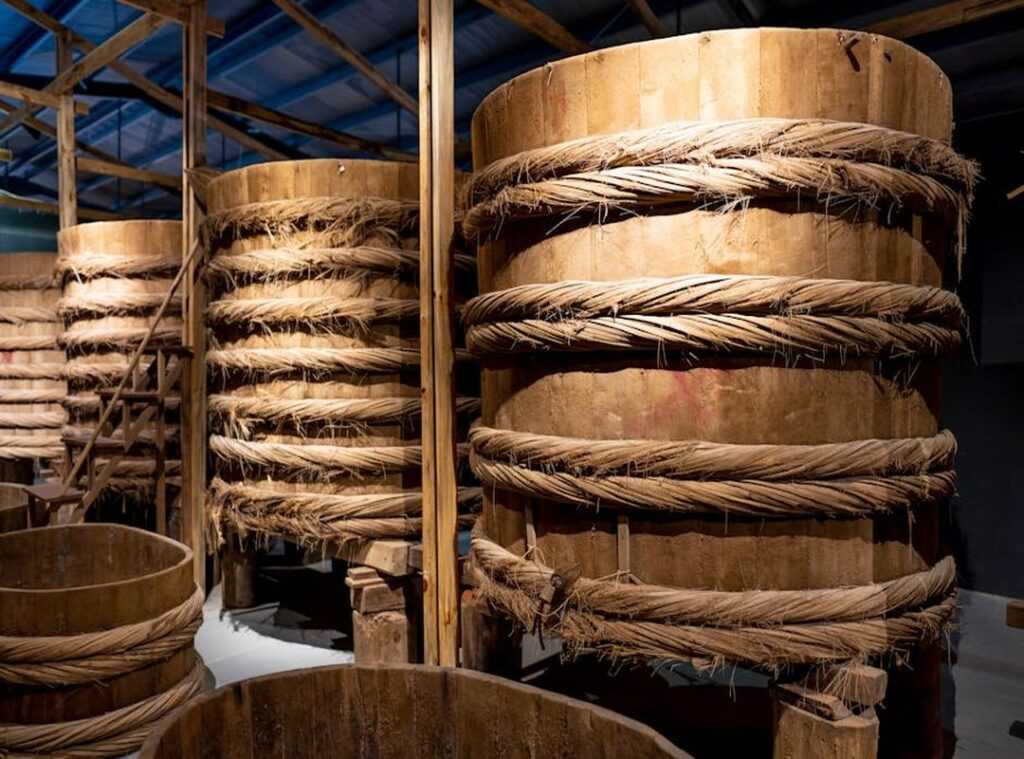
Picture this: a bubbling sourdough starter on your counter, a crisp pickle crunching under your teeth, or a glass of beer foaming perfectly. These aren’t just kitchen staples. They’re storytellers.
But have you ever stopped to wonder what tales they hold? Many see fermentation as just another health trend or cooking hack. That’s too shallow.
As cooks obsessed with flavor, we’ve discovered that the deepest tastes are rooted in tradition. Fermentation isn’t just about food. It’s about survival, community, and identity.
This ancient practice has shaped cultures and connected generations. Curious yet?
We’re diving into the fermentation cultural role to uncover its human story. Understanding its history will change how you see and taste these foods forever. Get ready to explore.
Your palate (and mind) will thank you.
Fermentation: More Than a Trend
Before refrigeration, how did people keep food from spoiling? Fermentation was the answer. It wasn’t about gourmet flavors or artisanal techniques back then.
It was survival. Imagine a harsh winter with nothing fresh to eat. Fermentation kept our ancestors alive.
Take sauerkraut, for example. German sailors relied on it during long sea voyages. Why?
It was packed with Vitamin C, preventing scurvy when fresh produce was nowhere in sight. And then there’s kimchi. In Korea, they needed a way to preserve vegetables through freezing winters.
Fermentation wasn’t just clever; it was important.
Other regions had their own fermented foods. Nordic countries had gravlax, a way to preserve fish in cold climates. The Middle East used preserved lemons, bringing brightness to dishes when fresh fruit wasn’t an option.
These foods weren’t just about taste. They were about using what was available to meet basic needs in their environments.
But what about today? Many of these survival foods lay the foundation for the complex flavors we crave. Fermented foods aren’t just relics of the past.
They continue to play a role in our culinary space, influencing everything from fine dining to home cooking.
Curious about how these foods have evolved and why we still love them? The psychology behind why we chase these flavors is fascinating. You can learn more about it in this guide.
Fermentation’s cultural role is undeniable. It’s a human ingenuity in the face of necessity. What once was survival is now a culinary delight.
Fermentation: A Communal Mix
Forget about the lone cook in the kitchen. Fermentation is a community affair. Take gimjang, for instance.
In Korea, entire neighborhoods come together to make kimchi every autumn. It’s not just about preserving vegetables; it’s a social event. People gossip, share recipes, and work side by side.
The labor is shared, the rewards are communal. It’s food and fellowship in one go.
Ever heard of traditional European winemaking? It’s not just about grapes and barrels. No, it’s a village-wide celebration.
Everyone gets involved, from picking the grapes to the final toast. There’s a sense of unity, a shared purpose. Harvest festivals turn raw ingredients into something magical.
It’s about more than just the drink. It’s about people coming together.
Think that’s all? Check out how the “mother” starter for injera in Ethiopia, or kefir grains in the Caucasus, bring people together. These aren’t just culinary tools.
They’re symbols of a shared lineage, passed from one generation to the next. You get a piece of history every time you bake or ferment. It’s about continuity, connection.
Let’s be real. Fermentation is about far more than food. It strengthens bonds, fortifies community ties.
When people work together like this, they’re doing more than making something to eat. They’re weaving together something much larger. A cultural fabric, if you will.
So, what does all this tell us? Fermentation isn’t just a kitchen task. It plays a fermentation cultural role in crafting social connections.
It’s a shared endeavor. A reason to gather, to celebrate, and to remember what makes us human. We aren’t just preserving food; we’re preserving communities.
That’s the real power here, isn’t it?
Fermentation’s Flavor Journey: A Taste of Place
When I think about fermentation, I see it as the ultimate expression of a region’s flavor. A true culinary signature. Ever heard of “terroir”?
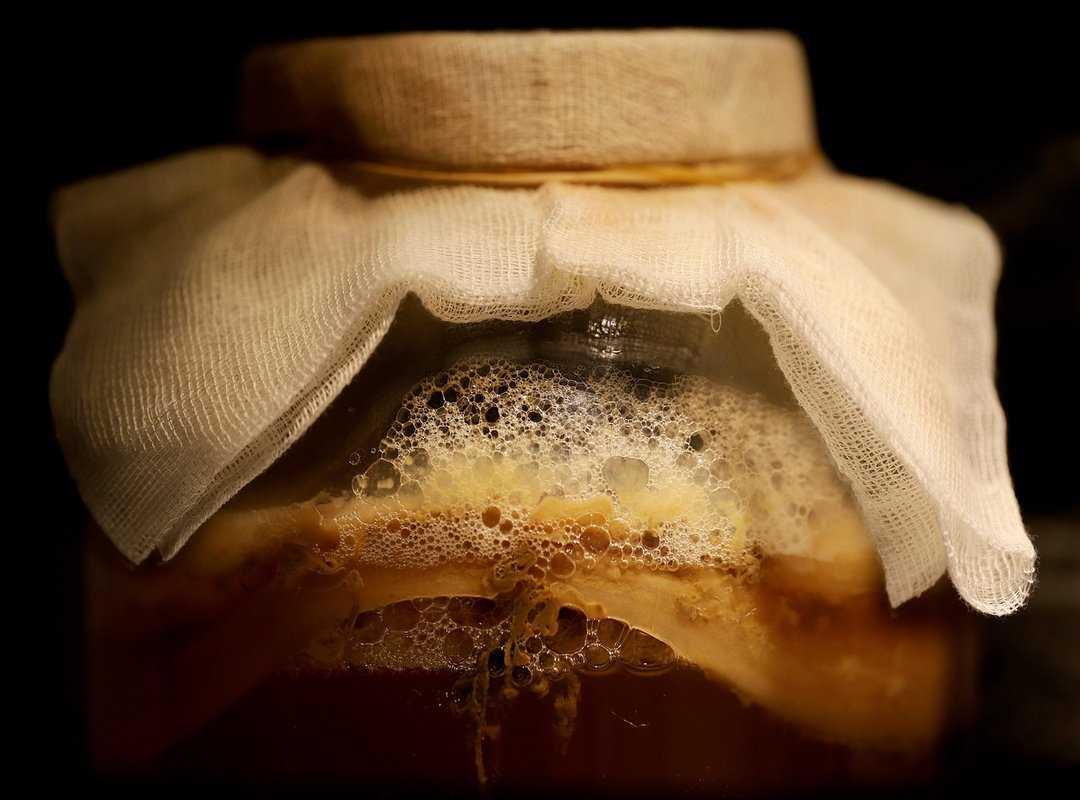
It’s that magical blend of local elements like climate, microbes, and even water that creates unique tastes. Fermentation taps right into this, crafting flavors that speak the dialect of their land.
Take miso in Japan, for example. It’s not just a paste; it’s a story. Different regions use varied grains and aging processes to create distinct types like white (shiro) or red (aka) miso.
You can taste the local grains and feel the climate in each spoonful. It’s like a regional accent for your taste buds.
Cheese does the same trick. Imagine a sharp English cheddar, aged in caves, with its strong flavor. Now, contrast that with a creamy French brie.
These cheeses are shaped by local molds and bacteria, each with its own tale to tell. It’s fascinating how a simple thing like milk can become so diverse through fermentation.
And then there’s the world of fish sauces in Southeast Asia. Vietnamese nuoc mam and Thai nam pla might seem similar, but they’re worlds apart. Each is crafted from different fish and fermentation methods, reflecting the cultural details of their origins.
It’s like comparing two artists’ interpretations of the same space.
Fermentation doesn’t just preserve food. It concentrates and creates the flavors that define a culture’s cuisine. It’s a cultural role that goes way beyond just keeping food from spoiling.
It’s an art form that transforms the ordinary into the extraordinary.
If you’re curious about how science influences such processes, check out this science behind baking article. It dives into the chemistry that makes baking (and) fermenting. So delightful.
Fermentation is more than a technique; it’s a conversation between nature and culture, and we’re just lucky enough to taste it.
Beyond the Plate: Fermentation and Belonging
Ever wonder why some foods feel like they’re part of your DNA? Fermentation isn’t just a kitchen trick. It’s a cultural powerhouse.
Take chicha, that fermented corn beer in Andean cultures. It’s more than a drink; it’s a link to ancient rituals. People share it in ceremonies that have echoed for centuries.
It’s like holding hands with the past every time they take a sip.
Or think about wine in Christian communion. This isn’t just grape juice with a kick. It’s a symbol loaded with spiritual significance.
The same goes for the wine on the Jewish Seder plate. These aren’t just traditions; they’re living threads connecting people to their history.
Then there’s the cherished sourdough starter. Passed down like a family heirloom (probably older than your grandma). Making it isn’t just baking.
It’s about preserving who you are and where you come from.
Fermentation’s cultural role is immense. It binds us to our roots, to our ancestors, in ways we might not even realize. Feeling connected yet?
Taste the World, One Ferment at a Time
Fermentation tells our story. It’s more than survival. It’s community.
It’s identity. Sure, some call it a trend. But dismissing it misses the point, doesn’t it?
By exploring the fermentation cultural role, every bite becomes an exploration. Think about it. Why not try some kimchi or sauerkraut?
Or get adventurous and pickle some carrots at home. It’s easy. It’s rewarding.
And it’s part of a tradition as old as time. Dive into this culinary journey and discover flavors you’ve never imagined. Visit ttbskitchen.com.
Find tips. Find inspiration. Join the movement.
Embrace the world of fermentation today.