
Staying inspired in the kitchen isn’t always easy—especially when food trends shift quickly and new techniques seem to appear overnight. If you’re looking for fresh culinary pulse updates, deeper gourmet dish breakdowns, and practical cooking tips you can actually use at home, you’re in the right place. This article is designed to help you understand flavors more intuitively, master essential techniques, and confidently recreate standout meals in your own kitchen.
We’ve carefully analyzed emerging food trends, tested flavor pairings, and refined home-friendly methods to ensure every recommendation is practical, reliable, and worth your time. From smart prep shortcuts to detailed flavor profiles and signature sauce recipes, you’ll find insights that elevate everyday cooking without overcomplicating it.
Whether you’re experimenting with bold new ingredients or perfecting a classic favorite, this guide will give you the clarity, creativity, and confidence to cook with purpose—and delicious results.
Five Foundational Sauces for Bold Flavor
Great cooking starts with flavor layers. Instead of relying on bottled shortcuts, learn five signature sauce recipes that instantly upgrade everyday meals. First, a classic garlic herb butter—melted over steak or vegetables—adds richness in seconds. Next, a bright lemon vinaigrette balances salads and roasted chicken. Then, a silky pan sauce, made by deglazing with broth or wine, captures browned bits (that’s pure flavor). Add a simple tomato basil sauce for pasta nights. Finally, try a quick yogurt-tahini drizzle for grain bowls. With these in your toolkit, bland dinners become memorable every single time, consistently.
The Heart of Italian Cooking: A Rich and Simple Marinara
As we delve into the vibrant world of signature sauces, from the aromatic basil of pesto to the zesty kick of chimichurri, it’s also worth exploring how these flavor-packed toppings can enhance the wholesome dishes featured in our article on healthy food at Ttbskitchen – for more details, check out our Healthy Food Ttbskitchen.
At its core, marinara is a mother sauce—a foundational recipe that anchors countless Italian dishes. In my opinion, if you can master this, you can fake your way through half of Italy’s greatest hits (Nonna might disagree, but she’d still taste it).
Flavor Profile
A proper marinara balances sweet San Marzano tomatoes (a prized Italian variety known for low acidity), pungent garlic, fragrant basil, and rich olive oil. Some argue canned tomatoes are all the same. I don’t buy that. According to the Italian Trade Agency, San Marzano tomatoes are protected by DOP status, meaning strict quality standards apply.
Step-by-Step Breakdown
- Warm olive oil gently.
- Sauté sliced garlic until fragrant—not browned.
- Add crushed tomatoes and salt.
- Simmer 25–30 minutes to build layered flavor.
- Finish with torn basil.
Simmering, in culinary terms, means cooking just below boiling to concentrate flavor without scorching.
| Ingredient | Purpose |
|---|---|
| Tomatoes | Sweet, bright base |
| Garlic | Aromatic depth |
| Basil | Fresh finish |
| Olive Oil | Silky richness |
Home Kitchen Hack
If acidity bites back, add a pinch of sugar or a whole carrot while simmering. It works by balancing pH naturally. Pro tip: remove the carrot before serving.
Some purists scoff at tweaks. Still, great cooking evolves—even signature sauce recipes do.
Mastering the Creamy Classic: A Foolproof Béchamel Sauce
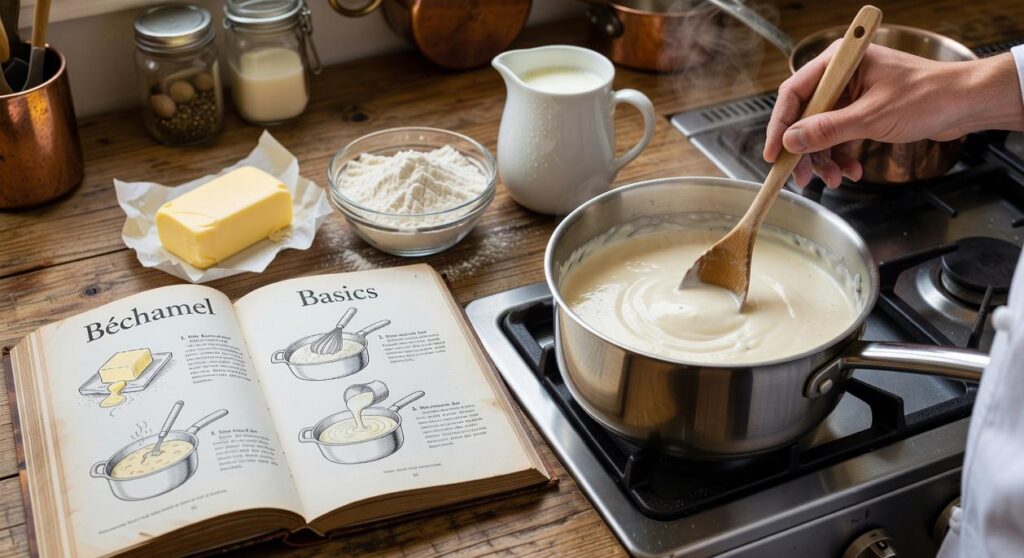
Béchamel is one of the five “mother sauces” of French cuisine—a foundational sauce from which countless others are built (think culinary family tree). If you’ve ever swooned over mac and cheese, creamy lasagna, gratins, or soufflés, you’ve tasted its magic. And yes, I’ll say it: EVERY home cook should master this before attempting fancier signature sauce recipes.
The flavor profile is delicately rich and creamy, with a subtle nuttiness from the roux—equal parts butter and flour cooked together—and a whisper of warmth from freshly grated nutmeg. Some argue it’s bland on its own. I disagree. It’s refined, not loud (there’s a difference).
Here’s how I guarantee a silky finish:
- Melt butter, whisk in flour, and cook until pale golden to avoid a raw taste.
- Warm the milk separately.
- Slowly whisk warm milk into the roux to prevent lumps.
Pro tip: Steep the milk first with a bay leaf, a few peppercorns, and half an onion for 15 minutes. The depth is INCREDIBLE.
Take your time with the whisk. Rushing leads to lumps—and nobody wants gravy vibes in their lasagna.
A Burst of Freshness: Authentic Argentinian Chimichurri
Few sauces deliver impact like authentic chimichurri. In fact, studies show fresh herbs such as parsley and oregano contain high levels of antioxidants and volatile oils that intensify aroma when chopped by hand (Journal of Agricultural and Food Chemistry). That vibrant aroma is precisely why this no-cook classic instantly elevates grilled steak, roasted vegetables, or flaky fish.
The flavor profile is bold yet balanced: finely chopped fresh parsley and oregano, minced garlic, red wine vinegar, olive oil, and red pepper flakes. Importantly, hand-chopping preserves texture and prevents bitterness—a common issue when food processors bruise herbs.
To prepare, combine 1 cup parsley, 1 tablespoon oregano, 3 garlic cloves, 2 tablespoons vinegar, ½ cup olive oil, and ½ teaspoon red pepper flakes. Stir, then let rest 30 minutes. This pause allows acid and oil to extract fat-soluble flavors—much like in signature sauce recipes.
For deeper flavor insights, explore understanding umami the fifth taste in everyday dishes.
The 5-Minute Pan Sauce: Never Waste Flavor Again
You know those browned bits stuck to the pan after searing steak or chicken? That’s fond—the caramelized proteins and sugars that form during high-heat cooking. It may look messy, but it’s pure gold (think of it as the culinary equivalent of finding out the “post-credits scene” was the best part of the movie).
The flavor profile is deeply savory and complex, shaped by your liquid—wine for brightness, broth for depth, cream for richness—and aromatics like shallots, garlic, or thyme.
Culinary Pulse Update: The process is beautifully simple:
- Sauté aromatics in the leftover fat
- Deglaze with liquid, scraping up the fond
- Reduce until slightly thickened
Finish with monter au beurre—swirl in cold butter off heat for a glossy, emulsified sauce. (It’s the “glow-up” moment.)
Pro tip: Reduce until it lightly coats the back of a spoon.
Master this, and you’ll never need bottled signature sauce recipes again.
Smart Storage, Smarter Flavor
First, store marinara and chimichurri in airtight glass jars; glass resists staining and flavor transfer (plastic can absorb garlic—no thanks). Meanwhile, press plastic wrap directly onto warm Béchamel to prevent a skin from forming. For longer storage, tomato- and herb-based sauces freeze beautifully thanks to their water and acid balance. Here’s the edge most guides miss: freeze sauces in ice cube trays, then transfer cubes to a sealed bag for quick, single-serve portions. Finally, customize your signature sauce recipes—add smoked paprika, fresh tarragon, or a splash of cream. Small tweaks, big personality (your pasta will notice).
Great cooking doesn’t require restaurant training; it requires control over flavor. That’s where sauce comes in. When a dish tastes flat, dry, or disconnected, a sauce adds moisture, balance, and depth (yes, even leftover chicken can taste intentional).
Start with signature sauce recipes: marinara for acidity, béchamel for structure, chimichurri for punch, and a pan sauce to capture browned bits from your skillet. For example, seared salmon plus lemony pan sauce instantly feels dinner-party ready.
Admittedly, some argue sauces mask bad cooking. Fair point. However, when built correctly, they enhance—not hide—ingredients.
So choose one, practice, and taste the transformation.
Bring Every Dish to Life in Your Kitchen
You came here looking for fresh inspiration, clearer techniques, and practical ways to elevate your cooking without the overwhelm. Now you have the insights to understand flavor balance, refine your process, and turn everyday meals into standout dishes.
The frustration of bland results or inconsistent recipes doesn’t have to follow you back into the kitchen. With the right breakdowns, smarter prep strategies, and a better grasp of flavor profiles, you can cook with confidence instead of guesswork.
Now it’s time to act. Choose one new technique, test one bold flavor combination, and put it into practice this week. Don’t just read about better cooking—experience it.
If you’re ready to stop second-guessing your meals and start serving dishes that impress every time, explore more step-by-step guides and kitchen hacks today. Join thousands of home cooks who are already transforming their tables with trusted, top-rated culinary insights—start cooking smarter now.