
Curious about what your plate will look like next year? This guide to culinary trends 2026 delivers a clear, evidence-based forecast of the flavors, ingredients, and kitchen technologies set to define the year ahead. With food culture evolving at record speed, it’s easy to mistake short-lived fads for lasting change. We’ve analyzed insights from global chefs, food innovation labs, and shifting consumer behavior to separate hype from meaningful transformation. Inside, you’ll find specific, tangible examples—so whether you’re a home cook or a devoted foodie, you’ll know exactly what trends to watch, taste, and try in 2026.
Trend #1: The Rise of AI-Generated Flavors
Call it Computational Cuisine—the art of using algorithms (rule-based problem-solving systems that analyze massive datasets) to invent flavor pairings no human chef would dare try first. Think strawberry and mushroom or white chocolate and caviar. It sounds like a “Ratatouille” plot twist, yet AI models trained on thousands of recipes identify overlapping aroma compounds and shared chemical structures to justify these unlikely duos (studies on flavor compound pairing, e.g., Ahn et al., 2011).
Some critics argue flavor is emotional, cultural—something no machine can replicate. Fair. Food is memory. But AI isn’t replacing intuition; it’s expanding the pantry. Even Spotify uses algorithms to surprise your ears—why shouldn’t dinner get the same remix?
Personalized Palates are next. Apps now track your taste preferences (sweet tolerance, spice sensitivity, texture bias) and generate custom recipes or spice blends. It’s like having a culinary co-pilot who actually remembers you hate cilantro.
Gourmet Dish Breakdown:
- Seared duck breast
- Cherry-miso glaze
- Cocoa nib crumble
The AI links umami depth with fruit acidity and bitter crunch for contrast—balanced, layered, unexpectedly cohesive.
Home Kitchen Hack: Explore online flavor-pairing tools to test ingredients you already own. Pro tip: Start with one “safe” anchor ingredient before adding a wildcard.
This isn’t sci-fi. It’s one of the defining culinary trends 2026 shaping how we cook and crave.
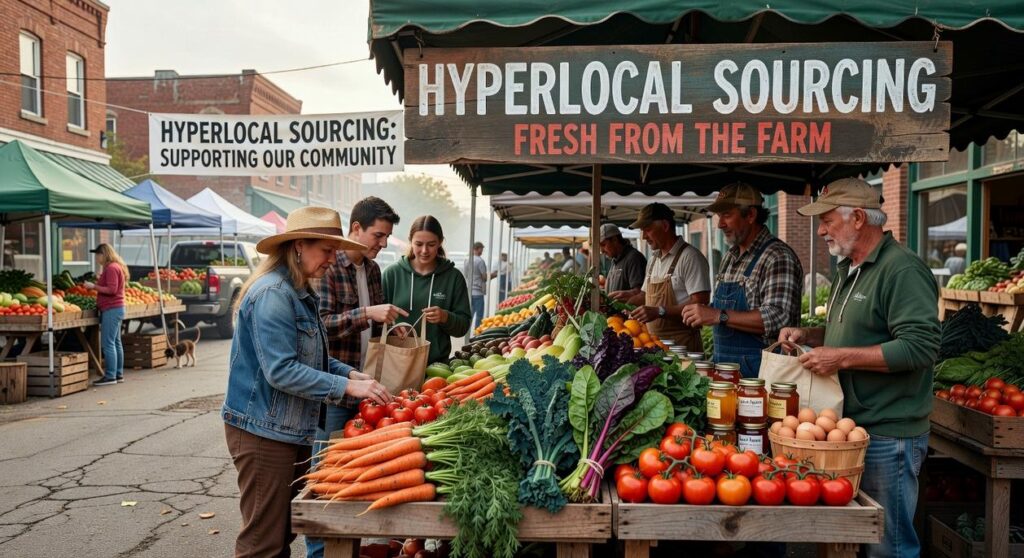
Trend #2: Beyond Farm-to-Table with Hyper-Local Sourcing

First, let’s redefine local. In the micro-climate movement, “local” no longer means within 100 miles—it can mean on the roof, in the basement, or inside a hydroponic tower next to the dining room. Thanks to advanced vertical farms (stacked indoor growing systems using LED lighting and nutrient-rich water) and rooftop gardens, restaurants now harvest minutes before plating.
You might wonder: isn’t regional sourcing enough? For hardy crops like potatoes, sure. But delicate herbs, microgreens, and thin-skinned tomato varietals lose volatile aroma compounds within hours of harvest (University of California Agriculture & Natural Resources). Hyper-local sourcing preserves those compounds—so basil actually smells like basil.
If you’re cooking at home, start small. Grow microgreens on a sunny windowsill. Harvest only what you need. Then:
- Rinse gently in cold water.
- Pat dry—never crush.
- Finish dishes with them at the last second.
Controlled environments also manipulate “terroir” (environmental growing conditions affecting flavor). By adjusting light spectra or nutrients, growers can intensify sweetness or peppery notes with remarkable consistency.
To showcase that freshness, go minimalist: quick sauté in olive oil (30–60 seconds), light steaming, or raw salads with flaky salt and acid. Overcooking? That’s like putting auto-tune on a live acoustic set.
As culinary trends 2026 evolve, hyper-local isn’t just virtuous—it’s practical, flavorful, and surprisingly achievable at home.
Trend #3: The New Plant-Based Frontier: Fungi and Sea Greens
First, forget the rubbery portobello burger of 2015. The mycology boom is far more refined. Lion’s Mane—an icicle-like mushroom with cascading white tendrils—tears into delicate, fibrous strands that sizzle and caramelize like crab when seared. Bite into it, and you get a buttery snap followed by a subtle sweetness that feels almost oceanic. Tremella, meanwhile, is translucent and jelly-soft, slipping luxuriously into desserts where it lends a silky, collagen-like texture (think panna cotta with a quiet glow-up).
Of course, some skeptics argue mushrooms are just another fleeting superfood craze. Yet fungi offer more than novelty. They’re prized for deep umami—that savory, mouth-filling richness—and for perceived functional benefits. Adaptogens (compounds believed to help the body manage stress) and nootropics (substances associated with cognitive support) have propelled varieties like Lion’s Mane into both kitchens and coffee cups (see NIH research on medicinal mushrooms).
Meanwhile, algae is shedding its sushi-wrapper stereotype. Sea greens like dulse and kelp deliver briny salinity without overpowering fishiness. Spirulina pasta glows emerald on the plate, while kelp salt dissolves cleanly on the tongue, amplifying flavor with mineral depth. According to the FAO, seaweed is nutrient-dense and environmentally efficient to cultivate.
Picture this: a “Lion’s Mane Scallop” seared in brown butter, edges crackling, aroma nutty and warm. It rests beside risotto flecked with dulse—creamy, saline, faintly smoky. Suddenly, culinary trends 2026 feel tangible.
For a broader context, explore how global food movements influence everyday meals.
Pro tip: score thick Lion’s Mane before searing for crisp, golden ridges.
Trend #4: Deconstructed Nostalgia and Elevated Classics
The ‘70s and ‘80s are back—but not in the way you remember them from your aunt’s casserole dish. Today’s chefs are revisiting childhood staples and reimagining them with modern technique, premium sourcing, and a little culinary swagger. Think deconstructed comfort food: familiar flavors presented in unexpected forms.
Take Beef Wellington. Instead of a dense roast wrapped in soggy pastry, chefs now prepare sous-vide filet (a temperature-controlled water bath method that ensures edge-to-edge doneness), pair it with mushroom duxelles powder, and serve shards of crisp puff pastry on the side. Or consider a savory Jell-O mold—once the punchline of potlucks—reborn as clarified consommé suspended with micro-vegetables and edible flowers. Even French bread pizza is getting the artisanal treatment with fermented dough, house-made mozzarella, and fire-roasted San Marzano tomatoes.
Some critics argue this is just culinary cosplay—style over substance. Why fix what wasn’t broken? But that misses the psychological pull at play. In a hyper-digital, fast-paced world, diners crave emotional safety. Familiar dishes lower the barrier to entry, while refined execution satisfies modern expectations. It’s nostalgia without compromise (and without the canned mushroom soup).
What competitors often overlook is how this fits into broader culinary trends 2026: diners want storytelling on the plate. Elevated classics deliver built-in narrative.
Home Kitchen Hack:
- Upgrade grilled cheese with aged Gruyère, sourdough, and thyme-infused compound butter.
Pro tip: Finish with flaky sea salt for contrast. Simple. Comforting. Surprisingly luxe.
Your Culinary Roadmap for the Year Ahead
The future of food is no longer a mystery. culinary trends 2026 are clearly defined by AI-driven flavors, hyper-local sourcing, fungi and sea greens, and elevated nostalgia. These aren’t passing fads—they’re shaping how we cook, shop, and taste the world around us.
You came here looking for clarity on what’s next in food. Now you have a roadmap built on the ingredients and ideas set to dominate the year ahead.
Don’t just follow trends—set them. Pick one movement this week. Try a new mushroom variety. Source something local. Experiment with an AI-suggested flavor pairing. Step into your kitchen and start creating the future—one bold bite at a time.