
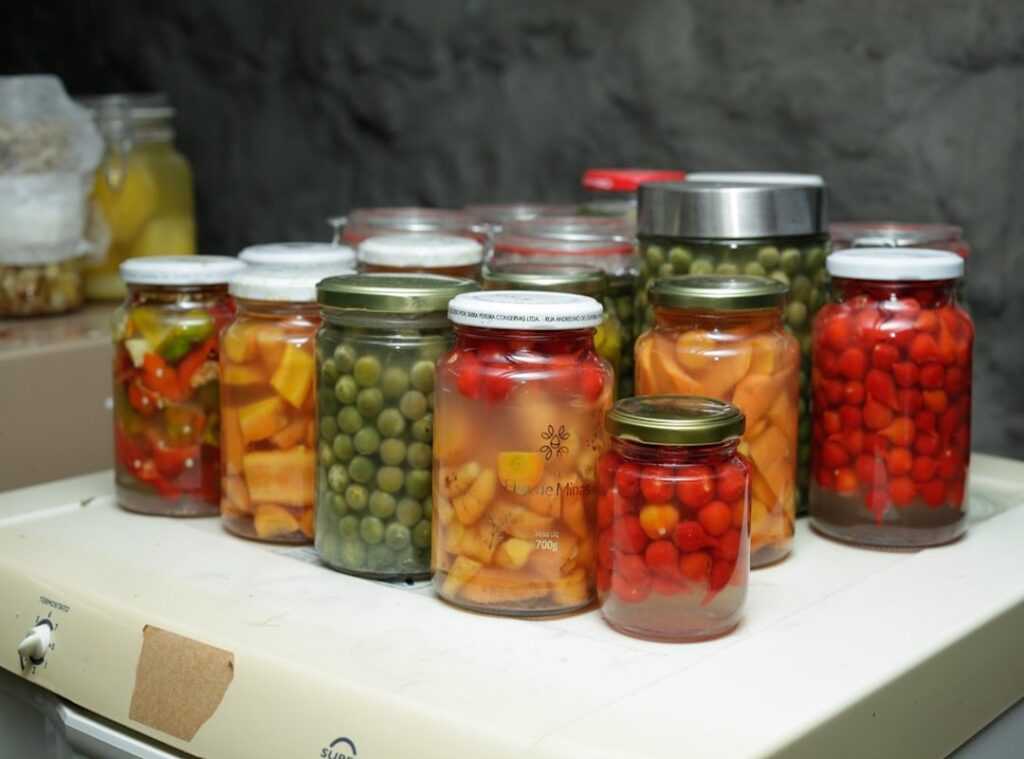
Ever tried your hand at making kimchi or sauerkraut? You feel proud at first, right? But then it just sits in the fridge.
Now what? The problem is, many of us love the idea of fermentation, but we don’t move beyond eating these creations as mere sides. It’s a missed opportunity.
Fermentation, when understood, can transform your meals from ordinary to extraordinary.
Trust me, I’ve seen this first-hand. In kitchens around the world, fermentation is the backbone of bold flavors. It’s not just a health fad.
It’s a culinary powerhouse.
This article will show you practical, modern methods for fermentation modern cooking. You’ll learn how to turn those jars into flavor-boosting ingredients. Ready to make your dishes unforgettable? and explore the potential sitting in your fridge.
Fermentation: The Flavor Revolution
Fermentation isn’t just about keeping food around longer. It’s about unlocking flavors you simply can’t get any other way. Imagine taking a humble carrot and turning it into a tangy, savory, slightly fizzy experience.
That’s the magic of fermentation.
Why does it taste so different? It’s all about the good bacteria. They work together to create savory (umami), tangy (acidic), and complex flavors.
Picture a fermented ingredient as a natural flavor bomb. It’s like a bouillon cube, but crafted by nature itself. Ever tasted a raw carrot and thought, “Meh, it’s just sweet and crunchy?” Ferment it, and you’ve got a whole new beast.
The tanginess alone is like an electric jolt to your taste buds.
Let’s break it down: fermentation adds layers of flavor profiles. There’s tangy acidity, deep umami, funky complexity, and even some subtle sweetness. These aren’t just random descriptors.
They’re what make your taste buds do a happy dance. When you dig into fermentation, you start seeing how it can transform modern cooking. you find gems like understanding plant based meat alternatives, showing how fermentation can deepen flavors in unexpected places.
For those on the fence about fermentation, think about this. Why stick to bland when you can have flavor fireworks? Dive into this delicious world and let your kitchen become a lab of taste.
Your culinary experiments will thank you. And so will your taste buds.
Crafting and Cooking with Fermented Pastes: A Flavor Revolution
Let me tell you about something that’s changing my kitchen game: the master paste. It’s a blend of fermented ingredients like garlic, chilies, and salt. Maybe even a splash of fermented vegetable brine.
I use it as a base for countless dishes. It’s like having a secret weapon ready to go.
When you think of fermentation, modern cooking might not be the first thing that comes to mind. But it’s a game-changer. Trust me, this isn’t just about a sour taste.
It’s about depth and complexity.
Take a simple garlic-chili paste. It’s not just spicy. It’s a flavor boost you can add to a ton of things.
Whisk it into melted butter. Brush over roasted chicken or corn on the cob. It’s big.
Or use it as a marinade. Tofu or pork works great. The paste gives it a punch before you even grill it.
Your taste buds will thank you.
Even a basic tomato sauce can become something more. Stir in a spoonful of this paste, and you’ve got instant depth.
And don’t get me started on sandwich spreads. Mix it with mayo or yogurt. Suddenly, a boring sandwich becomes a changing delight.
Fermentation is truly taking over. If you’re curious why, check out this fermentation nation why fermented foods are taking over article.
Pro tip: Experiment with your paste. Try different chilies or add a twist of lime. You’ll find your own perfect blend.
That’s the beauty of it. It’s all about personal taste and creativity. Cooking is more than following recipes.
It’s about making them your own.
Technique 2: Savor the Cooked Ferments
You might have heard that cooking ferments is bad because it kills probiotics. I get it. We’re all about gut health these days.
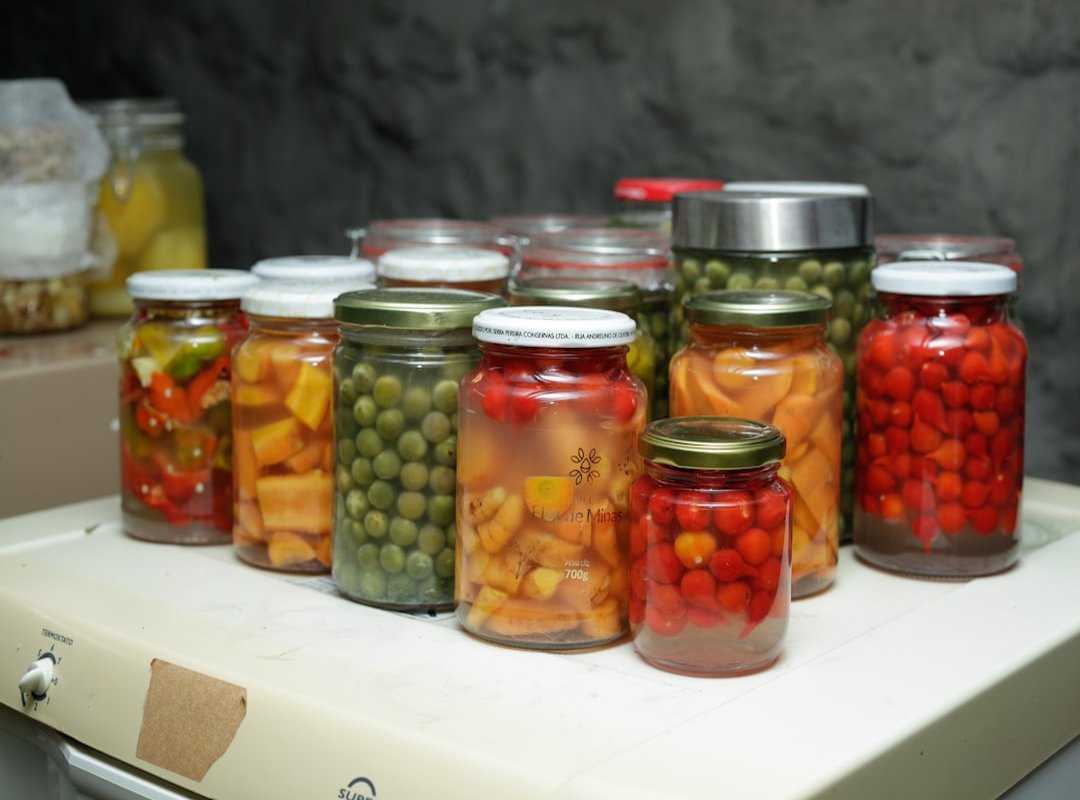
But what if I told you the real charm in cooking ferments lies in flavor transformation? That’s the real magic. Consider this: when you cook ferments, the sharpness fades.
In its place, you’ll find a deep, savory complexity that’s hard to beat.
Cooking sauerkraut, for instance, takes it to a whole new level. Finely chop it, then sear with onions and sausage. You get this rich, tangy base ready for whatever you throw at it.
Kimchi? Oh yeah, stir that into a batter for pancakes or waffles. Instant win.
The fermentation modern cooking scene is lively, and these transformations are what make it exciting.
The misconception that cooked ferments lose all value overlooks how they raise dishes. Imagine a slow-cooked stew. It’s rich, it’s hearty, but you add some lacto-fermented carrots or green beans in the last thirty minutes, and suddenly there’s this bright, acidic twist.
The richness of the stew meets the zing of the ferments. It’s a match made in heaven (or your kitchen).
Need a pro tip? Keep that kimchi in the fridge a bit longer than you think. Older kimchi can add layers of flavor when cooked.
And by the way, as we explore the world of cooking, climate change food availability is something to keep an eye on. It’s got more to do with your kitchen choices than you might realize.
So don’t shy away from cooked ferments. Embrace them. They offer flavors that are unique and unforgettable.
Trust me, once you start, you won’t look back.
Technique 3: Don’t Ditch the Brine! Cooking with Liquid Gold
Ever thought of brine as liquid gold? You should. It’s the unsung hero of sustainable cooking.
Why pour it down the drain when you can transform your dishes with its complex flavors? Plain vinegar doesn’t hold a candle to the depth of fermentation brine. I’m talking about something more than just a tangy splash.
It’s a powerhouse of flavor.
Think about it. Sauerkraut or pickle brine can be the acidic kick in your vinaigrette. Kimchi juice?
A game-changer for chicken wings or fried rice. It’s like discovering a secret ingredient that chefs have kept hidden for too long. And don’t even get me started on using vegetable brine to deglaze a pan.
Talk about elevating your seared meat or veggies to another level.
Pro tip: Use brine to thin out hummus. You’ll add a tangy kick that even your kids might notice (and love). It’s these simple swaps that make fermentation modern cooking so exciting.
Why stick to boring old vinegar when you can experiment with something bold? That’s the beauty of it. You’re not just saving waste; you’re creating flavor profiles that’ll make your meals unforgettable.
Dive Into Flavor: Your Fermentation Adventure Awaits
Your ferments aren’t just condiments; they’re your secret weapon. Ever felt lost on how to use them? We’ve all been there.
By using ferments as pastes, cooking with them directly, and getting creative with their brines, you’ve uncovered a new toolkit. It’s about more than just cooking. It’s about fermentation modern cooking.
These techniques are simple and practical. Start small. Pick one.
Try it this week. Imagine the depth and character it will add to your dishes. This isn’t just a suggestion.
It’s a game-changer. Discovering new flavors isn’t daunting when you have the right tools. Ready to transform your meals?
Jump in. Experiment. Experience what true flavor brings to the table.
Get started today. You won’t regret it.