
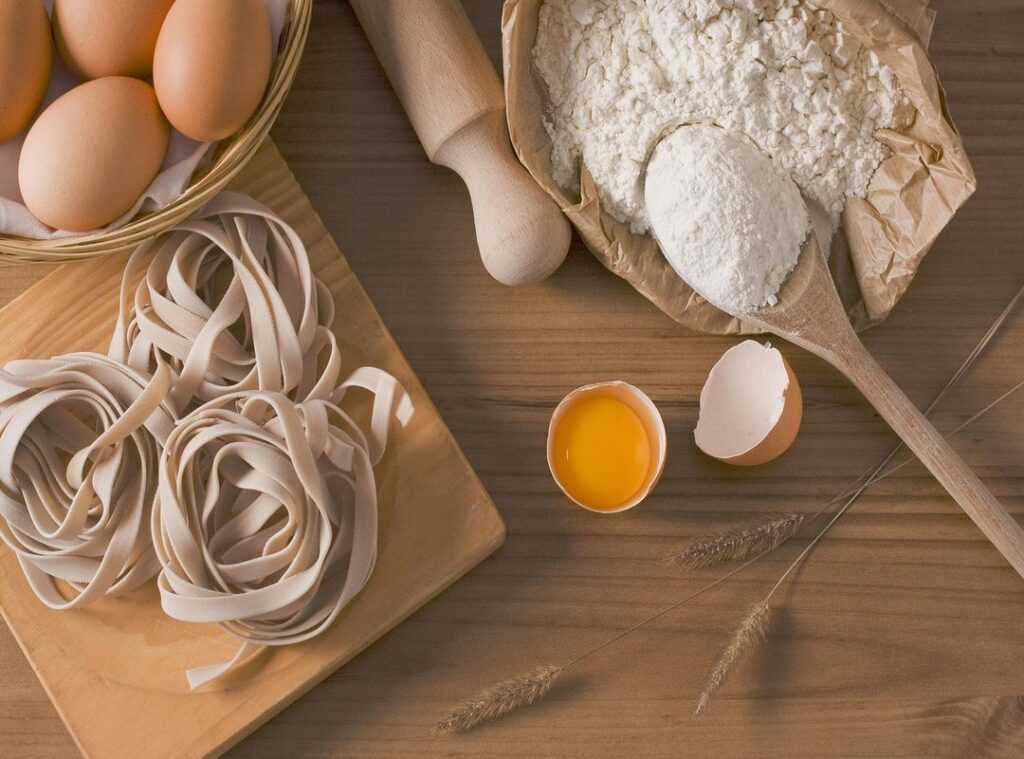
Picture this: you’ve spent hours crafting what you hoped would be the perfect homemade pasta, only to find it falls flat against the luscious plates from your favorite Italian spot. Frustrating, right? It’s not the recipe that’s the problem.
The secret missing ingredient is the homemade pasta skills that transform ordinary pasta into something unforgettable.
I’ve stumbled through my fair share of dough disasters, learning through countless errors what makes pasta truly shine. It’s not just about following a recipe. It’s about feeling the dough, understanding its needs.
Why does this matter? Because when you know the ‘why’ behind each step, you gain control over the result. Stick with me, and I’ll share these artisan secrets, so you can raise your pasta game to an entirely new level.
Beyond All-Purpose: Perfecting Your Flour Choices
Flour is everything when it comes to pasta. It’s the heart of those homemade pasta skills you’re trying to master. Let’s break it down.
All-purpose flour is your everyday hero, sure, but it’s only the beginning.
Have you tried ’00’ flour? Italian magic in a bag, if you ask me. It’s finely ground, giving your pasta that silky smooth texture.
Perfect for delicate filled pastas. Think tortellini or ravioli. It rolls out thin and cooks quickly.
Now, Semolina is different. This stuff is gritty but in a good way. It’s got that extra protein, giving pasta a firm bite (an) al dente experience.
Perfect for rustic, hearty shapes like fettuccine or pappardelle.
Let’s talk eggs. Whole eggs give structure but can make dough a bit dense. Using just yolks?
Now that’s luxury. It leads to dough with richer color and tenderness. You want lively, golden pasta that tastes rich?
Try using three yolks for every whole egg. Trust me, it’s a game changer.
Pro tip: Mix ’00’ and Semolina for the best of both worlds, especially if you like experimenting. If you want to learn more about balancing ingredients, check out mastering art of grilling. Grilling and pasta?
Maybe not an obvious pair, but learning the balance of flavors is universal.
So, next time you’re grabbing flour, remember: it’s not just about making dough. It’s about choosing the right foundation for pasta that truly stands out. the artistry lies.
The Feel of the Dough: Hydration and Kneading Secrets
When it comes to making pasta, the dough is everything. Forget those time-based instructions that say “knead for 10 minutes.” Instead, focus on how it feels. The dough should be tacky, like a firm earlobe or a piece of Play-Doh.
You don’t want it sticking to your fingers, just gently clinging, teasing almost. This is your first clue in mastering those homemade pasta skills.
Now, about kneading. It’s all in the technique. Use the heel of your hand to push the dough away, then fold it back on itself.
Turn it slightly and repeat. This isn’t just busy work. This process develops the gluten network necessary for that perfect chew you crave in homemade pasta.
And sure, it sounds a bit like a workout, but hey, who doesn’t want a little arm action while cooking?
Here’s a pro tip: the windowpane test. It sounds fancy but it’s simple. Take a small piece of dough and stretch it gently.
If it forms a thin, almost translucent sheet without tearing, you’ve nailed it. This means the gluten is developed just right. If not, keep kneading.
Patience is key here.
But don’t rush to roll it out just yet. Resting the dough is non-negotiable. This step lets the gluten relax, making the dough pliable and easy to roll.
It’s like giving your dough a little nap before the big performance. Skip this step, and you’ll end up wrestling with a stubborn, springy mess.
The secret to pasta isn’t in the sauce (though that matters too). It’s in the dough. Get this part right, and you’re halfway to culinary greatness.
So next time you think about timing or shortcuts, stop. Feel the dough. Trust your hands.
And that, my friend, is how you master homemade pasta.
From Dough to Dish: Mastering Hand-Shaping Techniques
You know what separates an artisan from a hobbyist? It’s the hands. Or rather, the homemade pasta skills that come from bending and shaping dough.
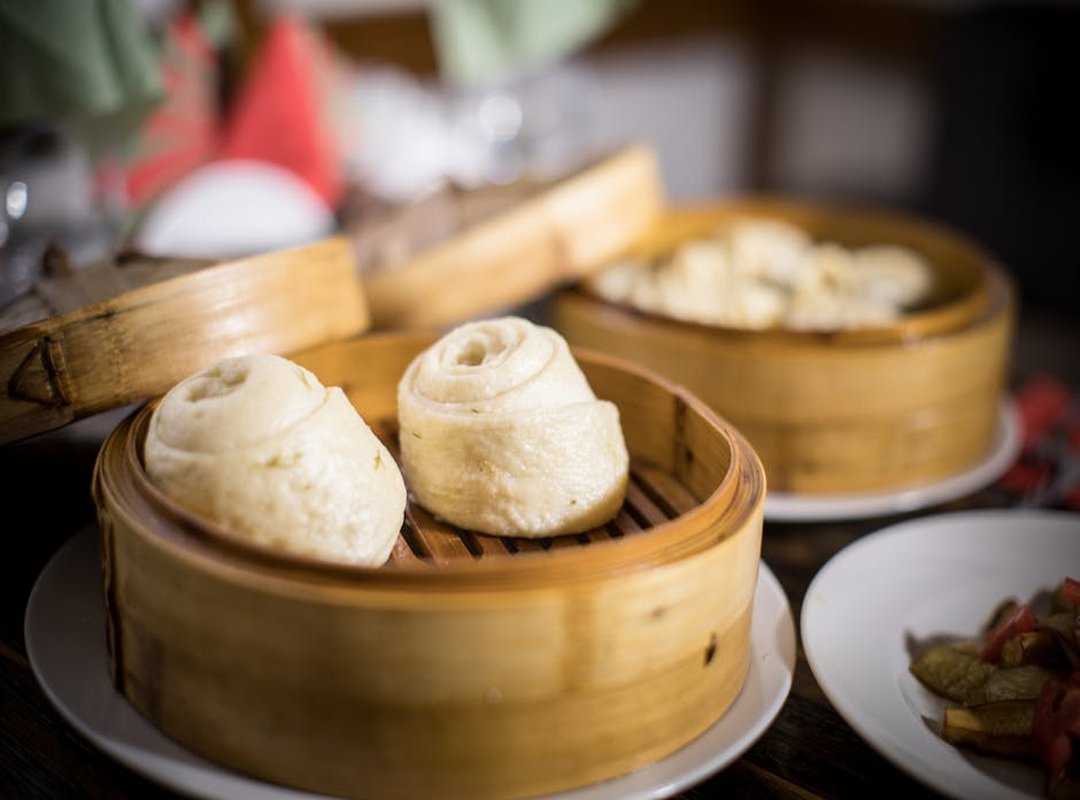
Forget the machines, we’re going old school.
Let’s talk orecchiette. These “little ears” are a classic. You take a small piece of dough, drag it with a butter knife, and voilà, you get this perfect blend of ridges and a cupped shape.
It’s not just aesthetically pleasing. Those grooves? They grab onto sauce like nothing else.
Mistakes? Sure, you’ll make them. The knife slips, the shape flattens.
But the more you mess up, the more you learn. It’s a bit like life, isn’t it?
Then there’s pici. Ever rolled dough between your palms? It’s meditative.
You start with a lump, and with a bit of patience, you get these thick, rustic noodles. No two are the same, and that’s the beauty of it. One might say it’s the soul of Italian cuisine (well, I do).
You roll, you stretch, you realize it’s not about perfection. It’s about the experience. And maybe a splash of flour all over your kitchen.
Rolling thinness is where many falter. For filled pasta like ravioli, the dough should be so thin you can see your hand’s shadow through it. But not too thin, or you’ll end up with a mess when you boil them.
It takes practice, but once you get it, the results are sublime. You see the filling peeking through, promising bursts of flavor in each bite.
If you’re finding yourself with extra dough or ingredients, why not learn more about creative ways to use them? Embrace the mess, embrace the mistakes. It’s how you grow.
And maybe, just maybe, you’ll find your groove.
Solving Pasta Pitfalls: A Quick Troubleshooting Guide
Making pasta at home can feel like a culinary minefield. Trust me, I’ve been there. But with a few simple tricks, you can boost your homemade pasta skills.
Let’s tackle those common frustrations.
Got sticky or dry dough? Don’t panic. Add flour or water a teaspoon at a time.
Slowly. Patience is key here. You don’t want to overdo it and end up with a different problem.
We’ve all been tempted to dump more in too quickly. Resist!
Did your pasta fall apart during cooking? It’s probably due to insufficient kneading or not letting it dry slightly. Give it a bit more time next round.
Let it sit before throwing it in the pot. This happens to everyone. Here’s the simple fix: more kneading and patience.
Gummy, chewy pasta? It’s a classic under-kneading issue or not rolling it thin enough. Roll it out more and knead with purpose.
Next time, aim for thin and smooth. Remember, practice makes perfect. Don’t get discouraged.
You’re improving those homemade pasta skills with every attempt.
Craft Your Pasta Experience
The secret to stellar pasta isn’t in the recipe (it’s) in your hands. Feeling the dough, choosing the right flour, and shaping patiently transform your kitchen into a pasta haven. Ever wondered why your pasta falls flat?
It’s not magic; it’s technique. Closing that gap between homemade and restaurant-quality pasta starts with mastering these homemade pasta skills. Don’t overwhelm yourself.
This week, dedicate time to perfecting your kneading. Feel the change. I promise, it’s worth it.
Ready to raise your game? Dive in and tackle one skill at a time. Need guidance?
Check out ttbskitchen.com for tips.