
If you’ve ever wondered why certain dishes taste unforgettable, the answer often lies in sweet savory combinations. From honey-glazed roasted vegetables to chili-infused chocolate desserts, balancing sweetness with savory depth can transform an ordinary meal into something extraordinary. This article is designed to help you understand how these flavor pairings work, why they’re so satisfying, and how you can recreate them confidently in your own kitchen.
We break down the science of flavor contrast, highlight standout gourmet examples, and share practical cooking tips you can apply immediately—whether you’re experimenting with weeknight dinners or planning an elevated menu. Our insights are grounded in culinary research, professional technique analysis, and hands-on recipe testing to ensure every recommendation is both reliable and achievable.
By the end, you’ll know exactly how to build, balance, and perfect sweet savory combinations that impress every time.
Why We Crave Sweet and Savory: The Maillard Reaction and Beyond
Our taste buds are wired for contrast. Biologically, we’re drawn to sugar for quick energy and to umami (a savory, broth-like taste) for protein—two survival signals wrapped into pure pleasure. When these signals overlap, the brain lights up with heightened reward responses (Frontiers in Psychology, 2015). That’s why sweet savory combinations feel so SATISFYING.
Enter the Maillard Reaction—the chemical process where sugars and amino acids brown under heat, creating deep, complex flavors. Think seared steak or caramelized onions. This reaction forms hundreds of flavor compounds, bridging sweet and savory into one cohesive bite (Journal of Agricultural and Food Chemistry, 2002). The benefit? More depth, less effort—FLAVOR without extra ingredients.
Then there’s flavor layering: adding sweetness to cut richness or salt to ground sugar. A drizzle of honey over roasted carrots balances earthiness; a pinch of sea salt sharpens chocolate. Master this, and you’ll cook with confidence. For deeper inspiration, explore regional spice blends and how to use them at home.
Timeless Pairings: The Classics That Always Work
Some flavor pairings are like legendary duos in film—different personalities, yet unstoppable together. Take prosciutto and melon. On its own, prosciutto is intensely salty and savory; melon is fragrant, juicy, and sweet. However, when combined, the salt acts like a spotlight, brightening the melon’s natural sugars. It’s the culinary equivalent of adding contrast to a photo—the highlights look brighter because the shadows are deeper.
Then there’s salted caramel, a modern icon. Caramelized sugar develops complex, slightly bitter notes as it cooks (caramelization is the browning process where sugar molecules break down and reform into hundreds of new flavor compounds, according to the Sugar Association). Add a pinch of sea salt, and suddenly those bitter edges soften. The salt doesn’t make it salty; rather, it sharpens the sweetness and deepens the flavor, like turning up the bass in your favorite song.
Now, pineapple on pizza—yes, that debate. Critics argue fruit has no place near mozzarella. Yet scientifically speaking, acidity cuts richness (Harold McGee, On Food and Cooking). Pineapple’s tang slices through fatty cheese and ham, keeping each bite balanced instead of heavy. In other words, it’s less chaos, more choreography.
Finally, chicken and waffles with maple syrup feels like breakfast and dinner shaking hands. Crispy, savory chicken meets a soft waffle, and syrup bridges the gap with glossy sweetness. It’s texture and taste in dialogue—a reminder that sweet savory combinations aren’t accidents; they’re harmony on a plate.
Adventurous Combinations for the Modern Palate
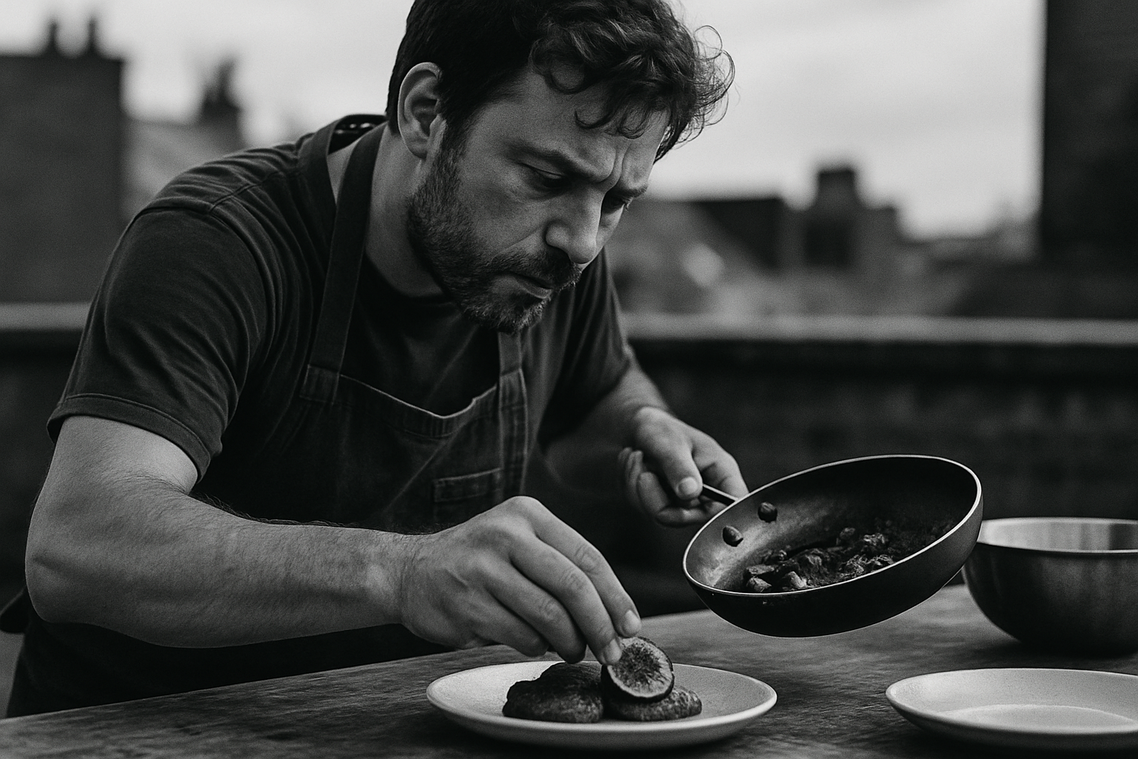
The first time I added dark chocolate to a pot of chili, my friends thought I’d lost it (they hovered near the takeout menus). But one spoonful changed everything. Chili and Dark Chocolate works because dark chocolate—meaning chocolate with high cocoa content and minimal sugar—brings bitterness that deepens the smoky heat of chilies. It doesn’t make the dish sweet; it makes it richer, almost velvety.
Another revelation came from a farmers’ market haul. I drizzled Balsamic Glaze on Strawberries, and the tangy acidity amplified their natural sugars. Balsamic vinegar, aged and slightly syrupy, adds contrast that makes fruit taste more like itself.
For easy entertaining, I swear by:
- Bacon-Wrapped Dates – salty, smoky bacon hugging caramel-like fruit (a textbook balance of sweet savory combinations).
- Gorgonzola and Honey – sharp, blue-veined cheese mellowed by floral sweetness, especially with sliced pears.
Some argue fruit and vinegar or cheese and honey clash. I used to think so too. But flavor pairing is about contrast. Salt heightens sweetness; bitterness tempers heat. Think of it like a buddy comedy—opposites create tension, and tension keeps things interesting.
If you’re hesitant, start small. Add, taste, adjust. Your palate is more adventurous than you think.
Mastering the Balance: Practical Tips for Your Kitchen
The first time I tried balancing flavors on my own, I nearly ruined a tray of roasted carrots. I drowned them in maple syrup, forgot the salt, and ended up with something that tasted like dessert pretending to be dinner. Lesson learned: START SMALL.
When experimenting, add your contrasting element gradually and taste as you go. It’s easier to build flavor than to rescue it. A squeeze of lemon or a dash of vinegar can brighten a dish and bridge the gap between sweet and savory elements. Acidity (that sharp, tangy note in citrus or vinegar) acts like a spotlight—it makes everything else pop.
Texture matters just as much. Think creamy goat cheese with a crunchy, sweet fruit crisp. The contrast keeps each bite interesting (because no one wants a plate of mush).
One of my go-to sweet savory combinations is a simple glaze: soy sauce (savory), honey or maple syrup (sweet), plus ginger or garlic for depth. Brush it over vegetables in the last 10 minutes of roasting.
Pro tip: taste before serving and adjust with a pinch of salt—it’s the quiet hero of balance. Ever noticed how restaurant veggies just taste brighter? That’s balance at work.
Bring Sweet and Savory Into Perfect Balance
You came here looking to master bold, balanced flavors—and now you understand how sweet savory combinations can transform an ordinary dish into something unforgettable. From layering contrasting ingredients to fine-tuning textures and aromas, you’ve seen how the right pairing solves the common frustration of meals that taste flat, one-dimensional, or predictable.
Cooking without balance often leads to dishes that are too sugary, overly salty, or simply missing that “wow” factor. The magic happens when sweetness enhances depth and savoriness grounds brightness. That’s the difference between a meal that’s decent and one that keeps everyone asking for seconds.
Now it’s your turn to put this into action. Start experimenting with one new pairing this week—think honey and chili, maple and bacon, or balsamic and berries. If you’re ready to consistently create flavor-packed dishes without the guesswork, explore our latest kitchen guides and flavor breakdowns. We’re a top-rated source for practical cooking insights, and we make gourmet-level balance achievable in any home kitchen.
Don’t settle for bland. Elevate your next meal with perfectly crafted sweet savory combinations—and start cooking with confidence today.